Shuri Castle Festival
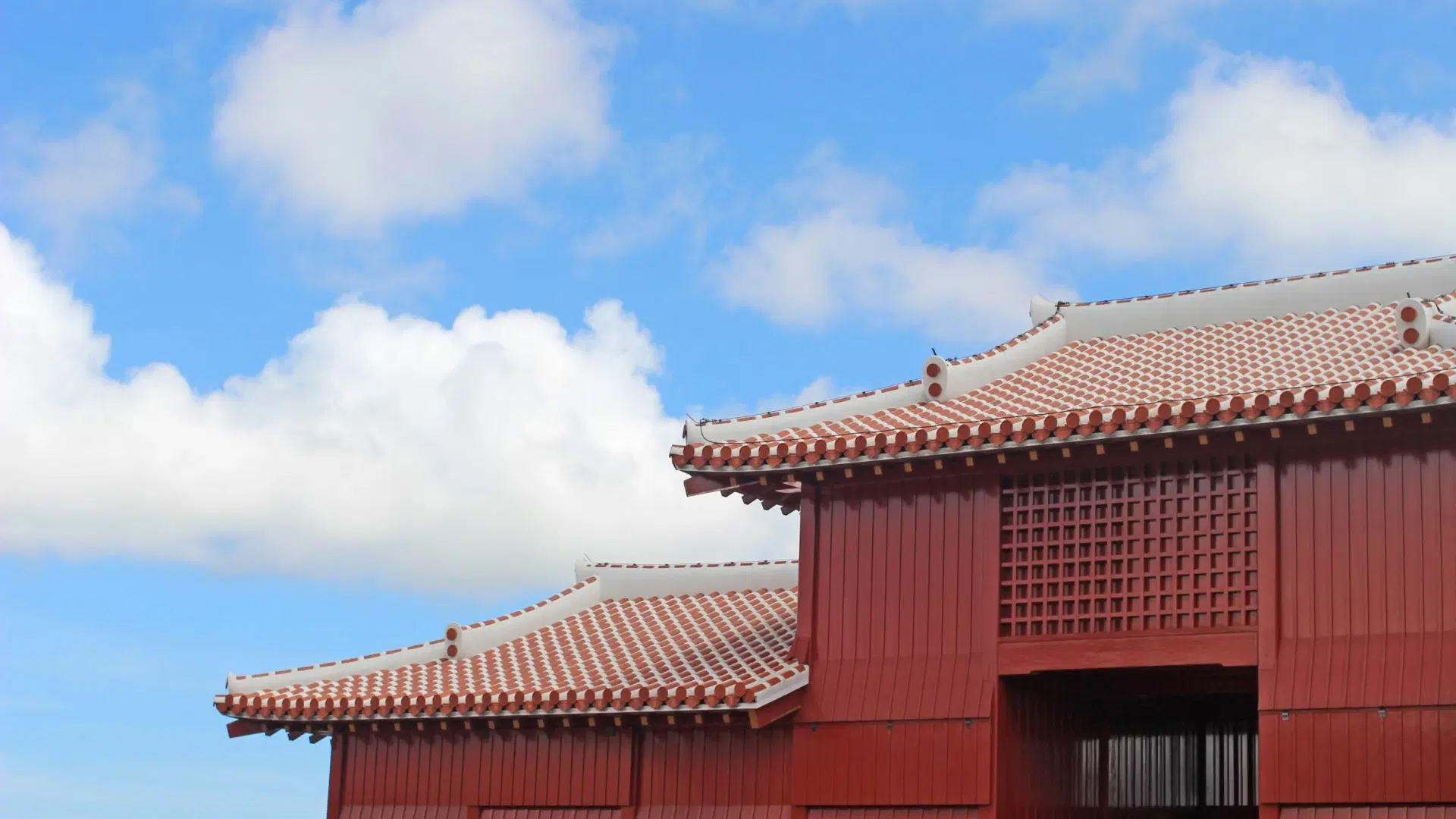
首里城祭The Shuri Castle Festival is Okinawa's most elaborate act of historical memory, a multi-day celebration that resurrects the ceremonial splendor of the Ryukyu Kingdom through costumed processions, traditional performing arts, and ritual reenactments staged at the castle that served as the kingdom's political and spiritual center for over four centuries. The festival's centerpiece, the Ryukyu Dynasty Procession, sends hundreds of participants dressed in the courtly robes and ceremonial regalia of the Ryukyuan elite through the streets of Shuri in a pageant that transforms the quiet residential neighborhood into a corridor of vanished magnificence.
The festival carries a significance that deepens with each cycle of destruction and rebuilding that Shuri Castle has endured. The castle, originally constructed in the fourteenth century, was destroyed in the Battle of Okinawa, rebuilt over decades of painstaking research and craftsmanship, and devastated again by fire in 2019. The ongoing reconstruction provides a living backdrop for the festival, the scaffolding and emerging structures visible reminders that the Ryukyuan heritage the festival celebrates is not fixed in the past but actively being rebuilt in the present. Each year's festival is thus both commemoration and construction, looking backward to the kingdom's glory and forward to the castle's renewed physical presence.
For the visitor, the Shuri Castle Festival offers the most concentrated and visually spectacular encounter with Ryukyuan culture available in contemporary Okinawa. The procession's elaborate costumes, researched from historical records and crafted to museum standards, present the distinctive aesthetic of the Ryukyu court: Chinese-influenced silk robes in vivid reds and yellows, golden crowns and hairpins, ceremonial fans and scepters whose forms reflect the kingdom's unique position at the intersection of Chinese, Japanese, and Southeast Asian cultural spheres.
History & Significance
The Shuri Castle Festival was established in 1950, just five years after the battle that destroyed both the castle and much of the surrounding city. The festival's founding in the immediate aftermath of catastrophic loss was an act of cultural resistance, an assertion that the Ryukyuan identity represented by the castle could not be erased by military force. The first festivals were modest affairs, their participants drawing on memory and fragments of surviving documentation to reconstruct the ceremonies and processions that the kingdom had practiced until its annexation by Japan in 1879.
The reconstruction of Shuri Castle, completed in 1992 in time for the twentieth anniversary of Okinawa's reversion to Japanese administration, provided the festival with its physical stage and deepened its symbolic resonance. The castle's rebuilding was itself a cultural act of enormous significance, requiring the recovery of construction techniques, decorative arts, and architectural knowledge that had been disrupted by over a century of Japanese administration and the war's destruction. The festival and the reconstruction proceeded in parallel, each reinforcing the other's assertion that Ryukyuan culture was a living tradition rather than a museum exhibit.
The 2019 fire, which destroyed the main hall and north hall, was experienced by Okinawans as a second loss of their cultural center, and the subsequent festivals have acquired an additional layer of meaning. The processions now pass by the construction site where the castle is being rebuilt once more, the festival's celebration of the past explicitly connected to the community's determination to secure the castle's future. This cycle of destruction and rebuilding has become, paradoxically, a defining element of the Shuri Castle story, each reconstruction an affirmation that the culture embodied in the castle is stronger than the forces that periodically destroy its physical form.
What to Expect
The Ryukyu Dynasty Procession is the festival's visual apex, a column of several hundred participants moving through the streets of Shuri in costumes that recreate the ceremonial dress of the Ryukyuan court. The procession reenacts the Chinwashi, a ritual in which the newly invested Ryukyuan king received his crown from a Chinese envoy, a ceremony that acknowledged the kingdom's tributary relationship with China while affirming the king's sovereign authority. The participants, from the king and queen in their golden regalia to the court officials, guards, and musicians who compose their retinue, create a spectacle of color and formality that brings a vanished political order back to visible life.
Traditional performing arts staged at the castle grounds and surrounding venues provide a deeper engagement with Ryukyuan culture. The classical Ryukyuan court dances, performed in the slow, deliberate style that reflects their Chinese-influenced choreographic origins, display an elegance distinct from both Japanese Noh and Chinese classical dance, the movements carrying meanings rooted in Ryukyuan cosmology and court protocol. The kumi odori, a Ryukyuan dramatic form that combines music, dance, and dialogue, presents narratives drawn from Okinawan history and legend in performances that were originally created for the entertainment of Chinese envoys and have been designated as UNESCO Intangible Cultural Heritage.
The festival grounds include exhibitions, workshops, and interactive experiences that contextualize the ceremonial spectacle. Workshops in traditional Okinawan textile dyeing (bingata), pottery, and sanshin playing allow visitors to engage physically with the cultural traditions that the procession displays. Food stalls within and around the castle grounds serve Ryukyuan court cuisine alongside popular Okinawan dishes, the culinary offerings bridging the gap between the festival's historical formality and the everyday food culture of contemporary Okinawa.