Ryukyu Lantern Festival at Murasaki Mura
琉球ランタンフェスティバルThe Ryukyu Lantern Festival transforms Murasaki Mura, a replica Ryukyuan village on the central Okinawan coast, into a luminous dreamscape where thousands of Chinese-style lanterns cast their warm glow across courtyards, corridors, and gardens designed to evoke the architecture of the Ryukyu Kingdom. The festival, running through the winter months from December to March, offers Okinawa a winter night spectacle that draws on the deep historical connections between the Ryukyu Islands and China, the lanterns serving as both decorative splendor and cultural memory, each one a small flame honoring the centuries of exchange that shaped Okinawan civilization.
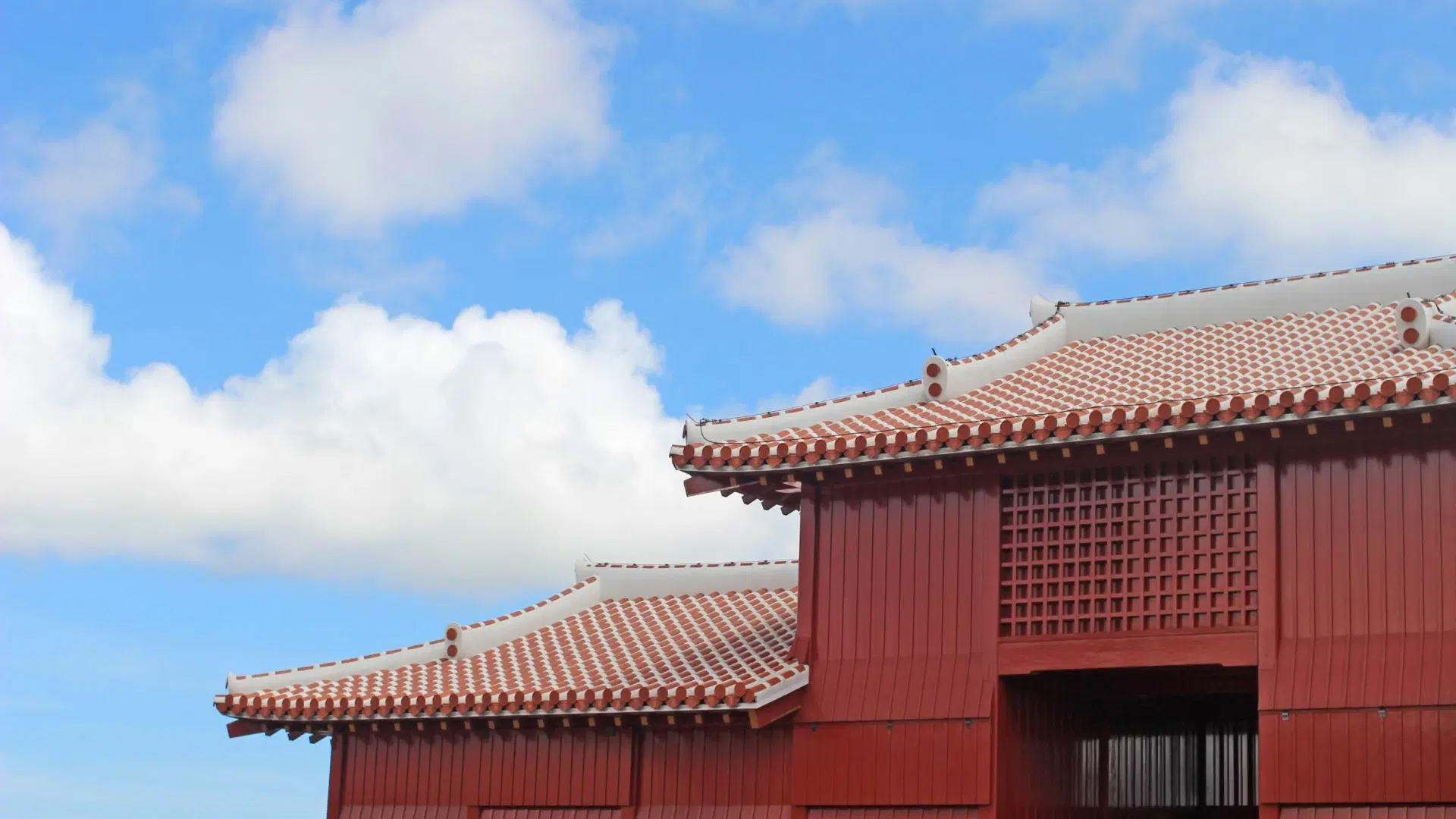
The effect of walking through Murasaki Mura after dark during the festival is transportive. The replica buildings, which by daylight have the slightly artificial quality of all reconstructions, acquire a convincing beauty under the lantern light, their stone walls and red tile roofs glowing with a warmth that dissolves the distance between reproduction and original. The lanterns themselves range from small, jewel-like orbs strung along rooflines to massive sculptural installations depicting dragons, flowers, and figures from Ryukyuan mythology, their silk and paper surfaces translucent with the light within. The cumulative effect is of having stepped into a painting, a night scene from the court life of the Ryukyu Kingdom rendered in light and shadow.
For the winter visitor to Okinawa, the Ryukyu Lantern Festival provides an evening experience that complements the daytime pleasures of the season. The subtropical winter, mild enough for comfortable outdoor walking but cool enough to make the warmth of the lanterns feel welcoming rather than oppressive, creates ideal conditions for the leisurely promenade that the festival invites. The pace is slow, the paths winding, and the discoveries incremental: a hidden courtyard where a single massive lantern blooms like a peony, a corridor where hundreds of small lanterns create a tunnel of light, a garden where illuminated figures from Okinawan folklore stand among the tropical plants.
The Ryukyu Lantern Festival transforms Murasaki Mura, a replica Ryukyuan village on the central Okinawan coast, into a luminous dreamscape where thousands of Chinese-style lanterns cast their warm glow across courtyards, corridors, and gardens designed to evoke the architecture of the Ryukyu Kingdom.
History & Significance
Murasaki Mura was constructed in 1993 as a cultural theme park and film set, its buildings modeled on the architecture of Ryukyuan-era villages and designed to provide a physical space where the islands' pre-modern heritage could be experienced and explored. The complex served as a location for several film and television productions before evolving into a broader cultural facility offering workshops in traditional Okinawan crafts. The Ryukyu Lantern Festival was introduced in the mid-2010s as a winter attraction, drawing inspiration from the Chinese lantern festivals that have been celebrated across East Asia for centuries and that the Ryukyu Kingdom, as a tributary state of China, would have known intimately.
The festival's Chinese aesthetic is historically grounded rather than borrowed. The Ryukyu Kingdom maintained formal diplomatic and trade relations with China from the fourteenth through the nineteenth century, and Chinese cultural influence permeated Okinawan court life, from architecture and cuisine to music and ceremony. The lantern traditions of the Chinese New Year and the Mid-Autumn Festival were among the cultural practices that crossed the sea, adapted by Ryukyuan craftsmen to local materials and tastes. The Ryukyu Lantern Festival at Murasaki Mura is thus not an import but a reclamation, an acknowledgment that the lantern tradition belongs to Okinawan cultural history as much as to Chinese.
What to Expect
The festival grounds open in the late afternoon, the transition from daylight to lantern-light occurring gradually as the winter sun drops toward the East China Sea. The early moments, when the lanterns begin to glow against the still-blue sky, are among the most beautiful, the colors of the silk and paper emerging slowly as the ambient light fades. By full darkness, the transformation is complete: Murasaki Mura has become a city of light, its pathways and courtyards defined by the constellations of lanterns that line every surface and fill every space.
The large-scale installations provide the festival's focal points. Dragon lanterns, some stretching several meters in length, rear above the courtyards with expressions of benevolent ferocity, their scales individually lit and their whiskers trailing into the air. Floral installations, recreating the peonies, lotus, and plum blossoms of Chinese decorative tradition, glow with colors so saturated they seem to pulse. Figures from Ryukyuan legend, including the shisa guardian lions and the celestial maidens of Okinawan folklore, stand illuminated in garden settings that invite photography and contemplation in equal measure.
The festival includes live performances of Okinawan traditional music and dance on a central stage, the performers' movements illuminated by lantern light in a setting that gives the familiar arts an unfamiliar beauty. Food stalls within the complex serve warm Okinawan dishes suited to winter evenings: soki soba with its rich pork broth, purple sweet potato tarts, and hot awamori cocktails that provide an inner glow to complement the external luminosity.