Sake and the Ryokan
How Japan's national drink elevates the kaiseki meal, from local junmai to aged koshu, and how to navigate the ryokan sake list
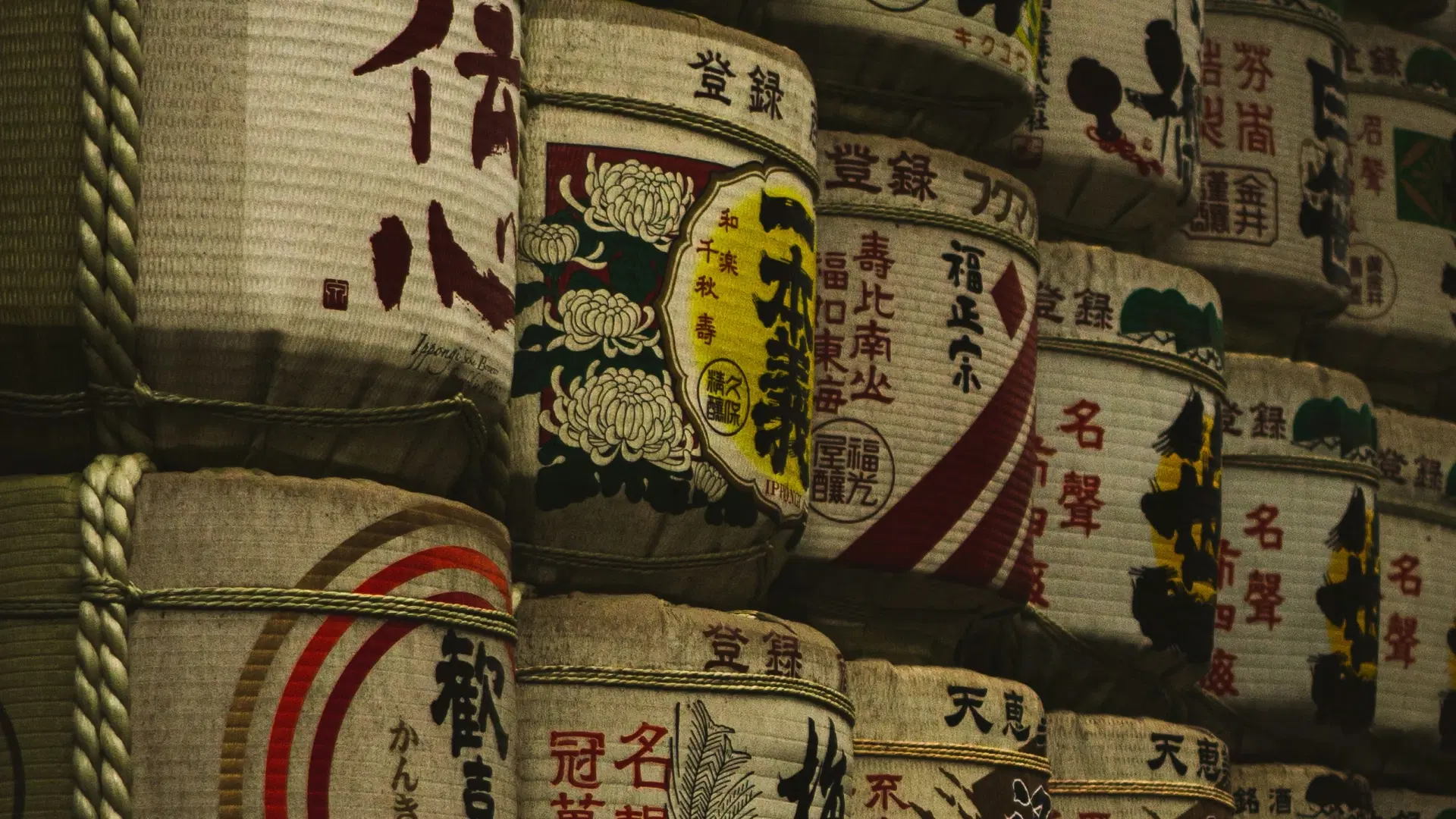
Sake at a ryokan is not an accompaniment to the kaiseki meal; it is an organic part of it. The rice that made the sake grew in the same fields, fed by the same water, that produced the rice on your plate. The brewing traditions evolved alongside the cuisine over centuries. When you drink local sake at a ryokan, you are not adding something to the meal. You are completing it.
Understanding the Categories
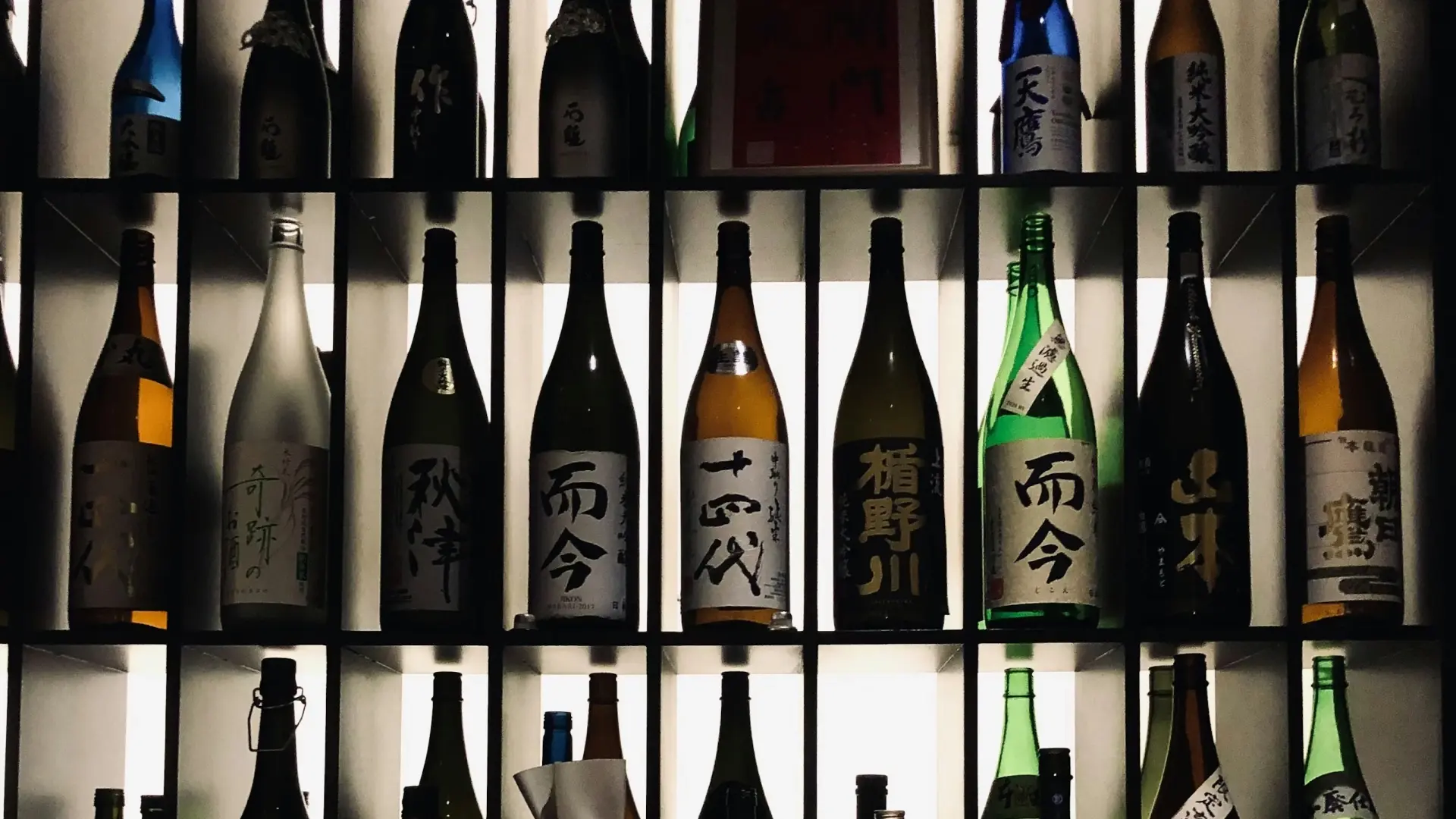
All sake is made from rice, water, yeast, and koji. Junmai sake, made with no added alcohol, tends to be full-bodied and richly flavored. Ginjo and daiginjo are defined by their rice polishing ratio, producing sake of remarkable lightness and aromatic complexity. Understanding these categories transforms the ryokan sake experience from bewildering to genuinely engaging.
Sake is classified in part by its rice polishing ratio (seimaibuai). Daiginjo sake uses rice polished to 50% or less, removing the outer layers to access the pure starch core. This produces lighter, more aromatic sake with fruit and floral notes.
Temperature and the Seasons
One of the most distinctive aspects of sake culture is the practice of serving sake at a range of temperatures. Chilled sake preserves aromatic complexity for delicate courses. Room temperature allows the full range of flavor to express itself. Warm sake increases perceived sweetness and body, and is the traditional choice for the cold months.
Best months for warm sake at snow-country ryokans

Local Sake, Local Food
The principle of jizake holds that the best pairing for any regional meal is the sake brewed in the same region. In Ishikawa, bottles from Tedorigawa and Kikuhime complement the rich seafood of Kaga cuisine. In Akita, kimoto-style sake partners with hearty winter dishes. In Niigata, the tanrei karakuchi style dissolves into the delicacy of Japan Sea sashimi.
At a ryokan, sake is not a beverage choice; it is a sense of place made liquid.
The Ryokan Guide Editorial
Navigating the Ryokan Sake List
Ask for guidance. Start local. Try different temperatures. Pace yourself. These four principles will transform the ryokan sake list from an obstacle into an opportunity. The nakai-san takes genuine pride in the sake selections, and the opportunity to share that knowledge with an interested guest is one they welcome.
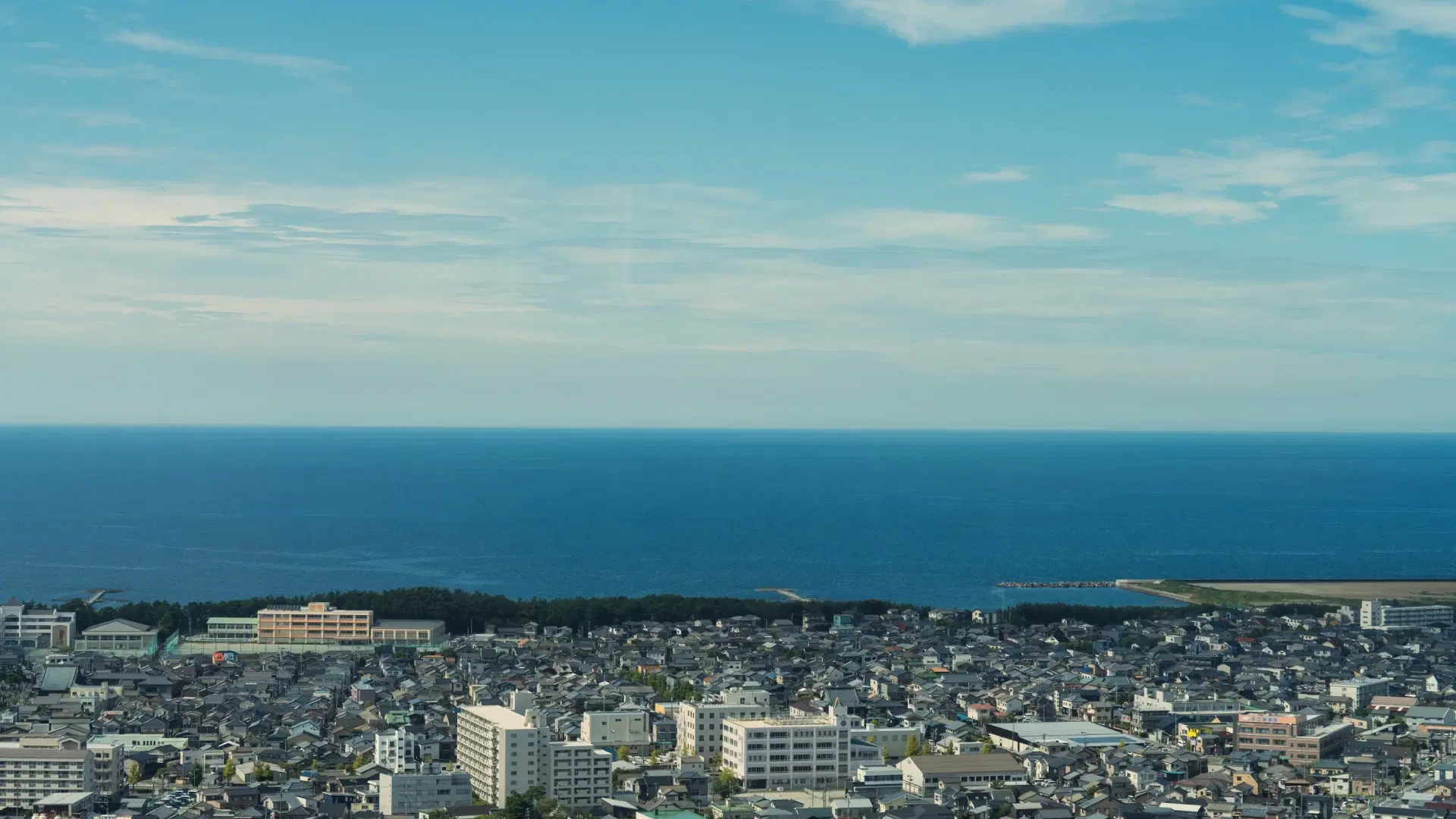
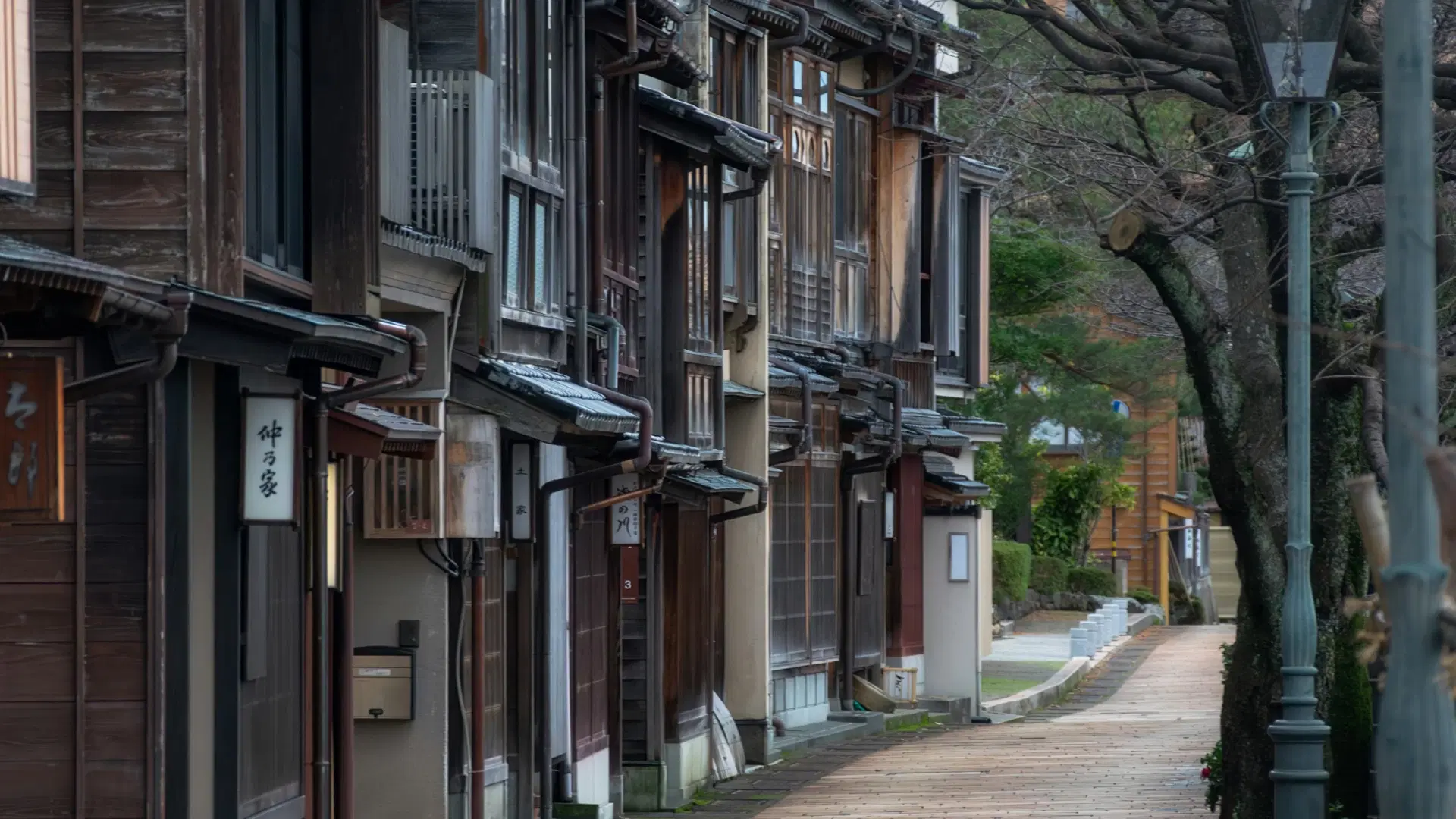
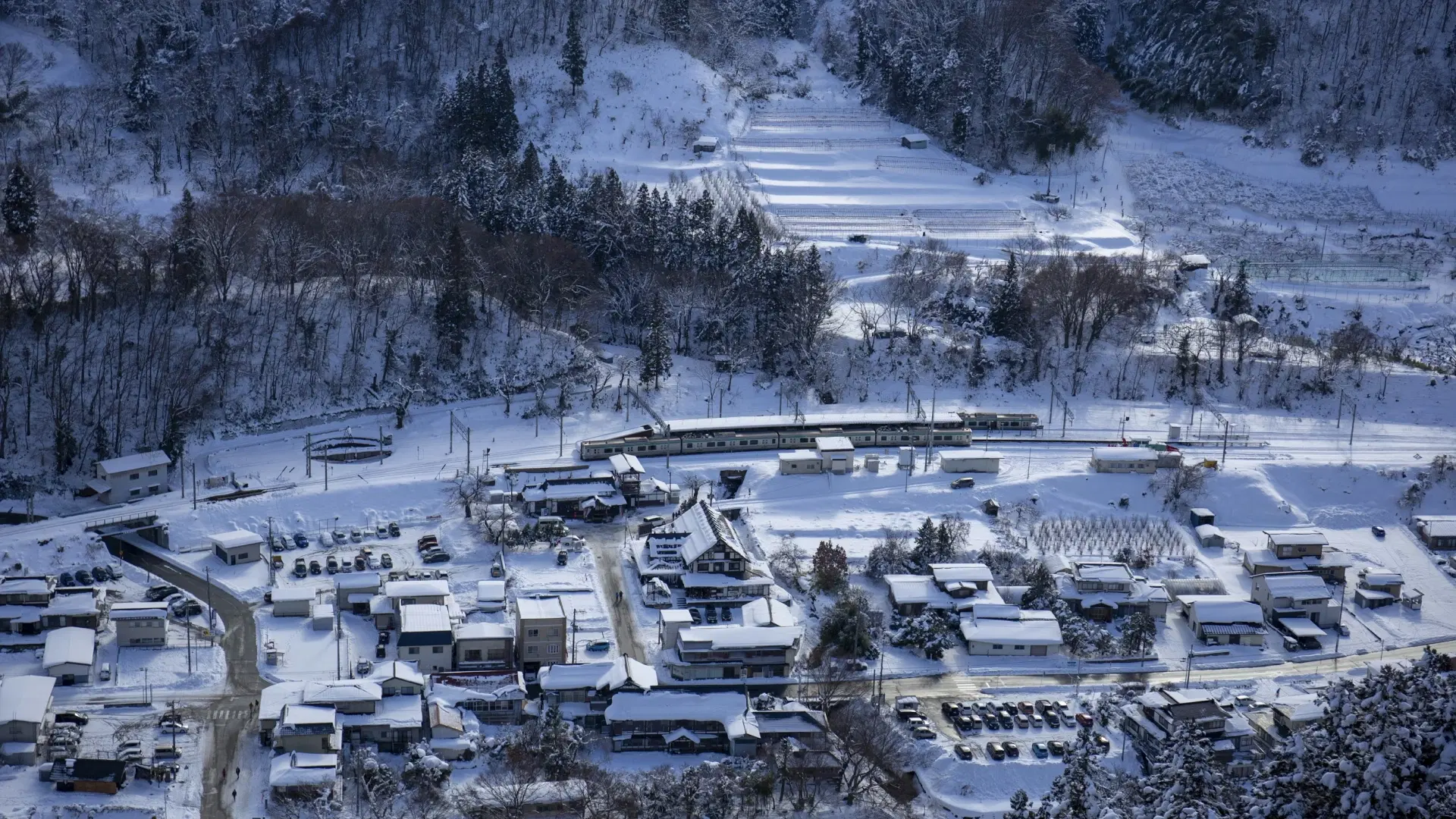
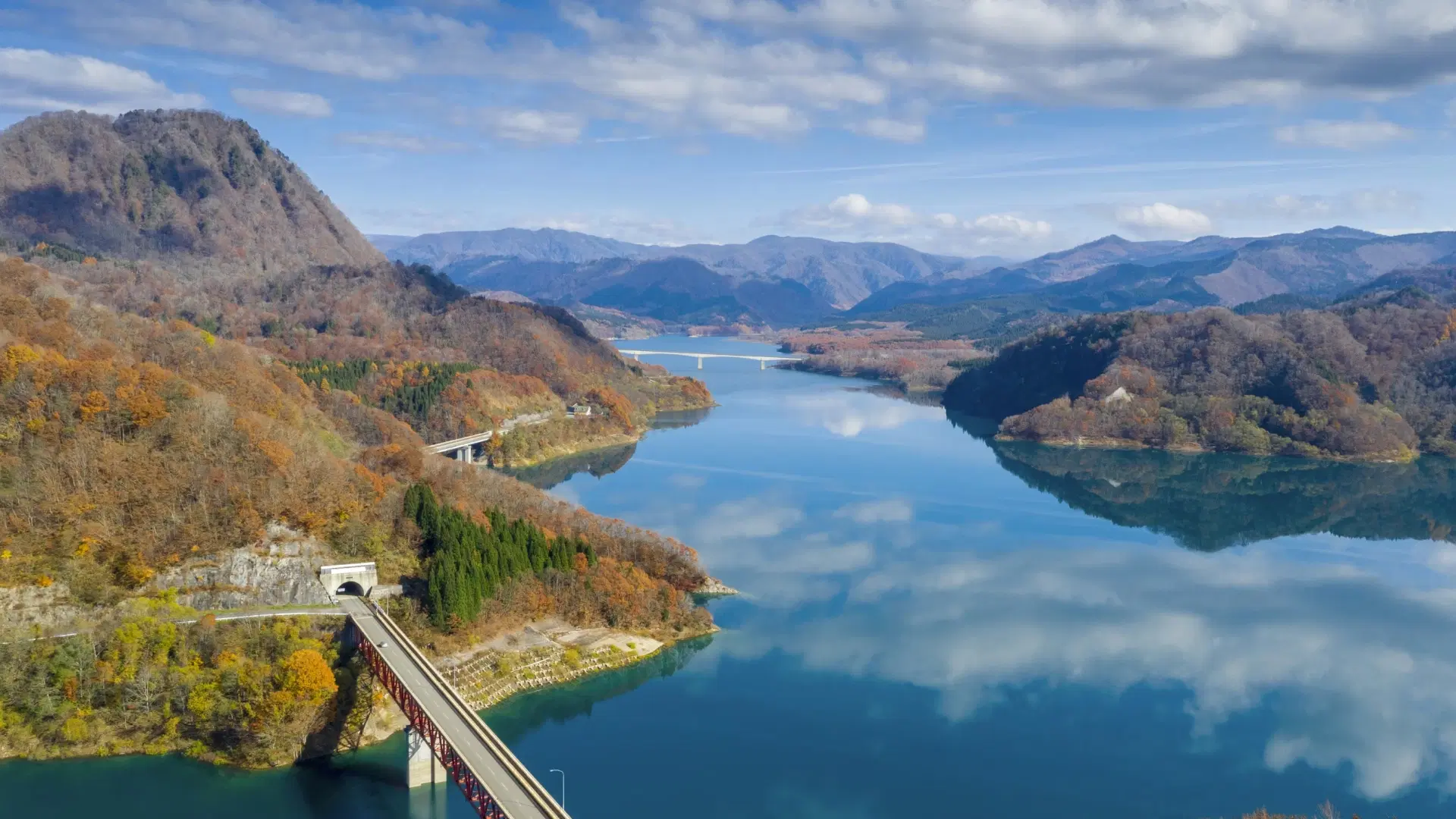
Japan has more than 1,400 active sake breweries. The jizake principle holds that the best pairing for any regional meal is the sake brewed in the same region, where the rice, water, and brewing traditions co-evolved with the local cuisine.
This is what sake at a ryokan offers: not merely a drink, but a taste of belonging. For the duration of that sip, you are not a visitor.
The Ryokan Guide Editorial