Zao Snow Monster Illumination
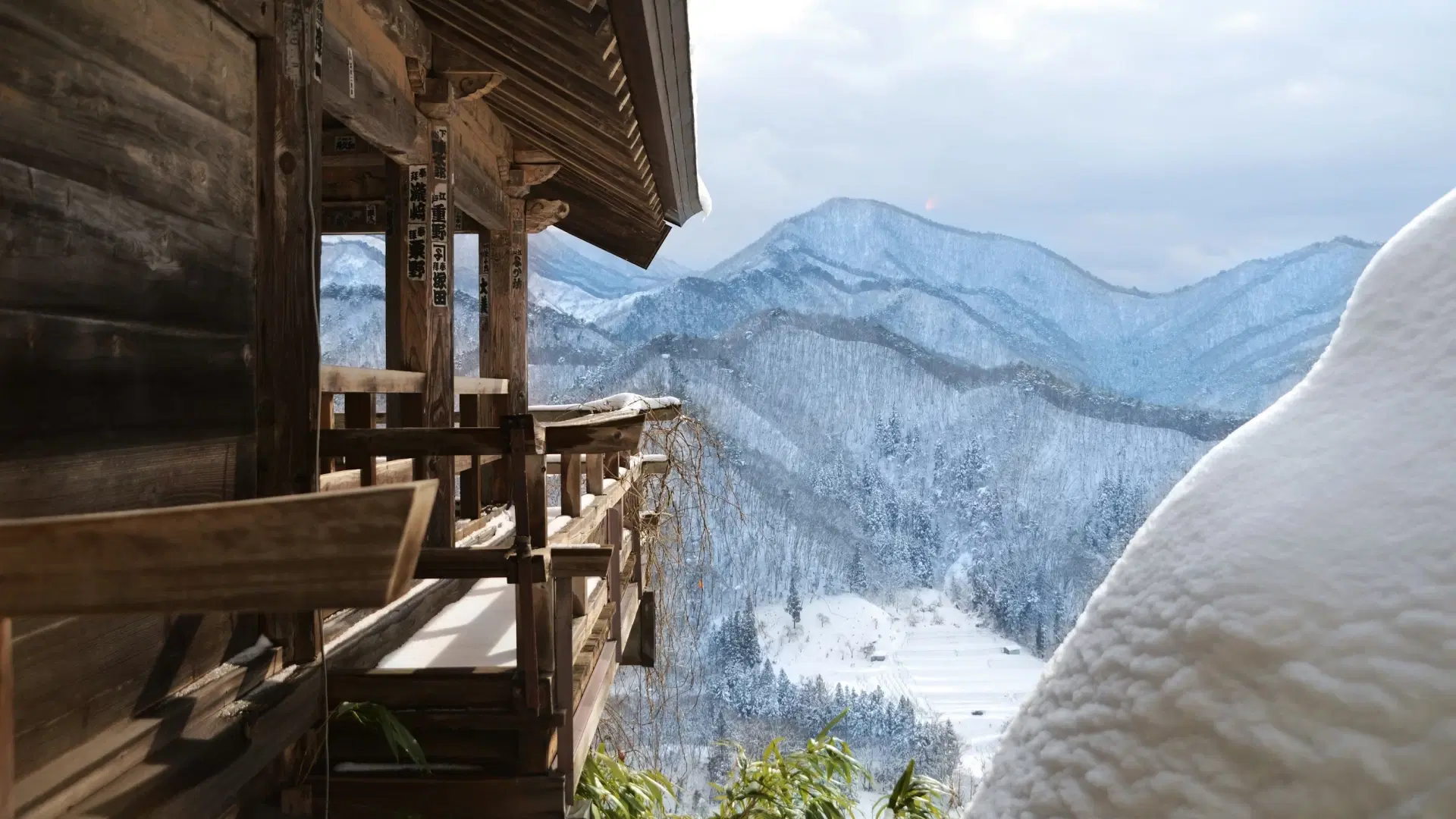
蔵王樹氷ライトアップHigh on the slopes of Mount Zao, where the boundary between earth and sky dissolves into a white continuum, the Siberian winds perform an act of slow sculpture. Moisture-laden air from the Sea of Japan collides with the Maries' fir trees that line the upper ridges, and the supercooled droplets freeze on contact, accumulating layer upon layer until each tree is entombed in a form that bears no resemblance to the living thing beneath. The Japanese call these formations juhyo, ice trees, but the common name is more evocative: snow monsters. By midwinter, the mountainside is populated by thousands of these pale, bulging figures, their shapes ranging from the vaguely humanoid to the purely abstract, an army of frozen sentinels standing in silence above the clouds.
The illumination transforms this already otherworldly landscape into something that approaches hallucination. On select evenings between late December and late February, colored lights are directed across the snow monster field, casting the formations in shifting hues of blue, violet, green, and gold. The effect is not subtle. It is theatrical, even operatic, the vast silence of the frozen mountain contradicted by the intensity of the color, the stillness of the figures animated by the play of light across their irregular surfaces. The darkness beyond the illuminated zone only deepens the sense of standing at the edge of the known world.
The phenomenon itself is rare globally, occurring only where specific conditions of wind, moisture, temperature, and tree species converge. Zao's snow monsters are considered the finest examples in Japan, and the illumination event has become one of the defining winter experiences of the Tohoku region, drawing visitors who are willing to endure the extreme cold for the privilege of witnessing a landscape that exists nowhere else and in no other season.
High on the slopes of Mount Zao, where the boundary between earth and sky dissolves into a white continuum, the Siberian winds perform an act of slow sculpture.
History & Significance
The snow monsters of Zao have been observed and marveled at for centuries by the yamabushi, the mountain ascetics who practiced their austerities on the peaks of the Zao range as part of the Dewa Sanzan Shugendo tradition. For these practitioners, the frozen trees were not curiosities but manifestations of the mountain's spiritual power, evidence of forces that dwarfed human agency. The secular appreciation of the juhyo as a natural wonder developed during the Taisho and early Showa periods, when the construction of Zao's ski infrastructure made the upper slopes accessible to recreational visitors for the first time.
The illumination project began in the 1980s as a collaboration between the local tourism association and the ropeway operator, an effort to extend the snow monster experience beyond daylight hours and to create a winter attraction that could anchor the regional economy during the coldest months. The technical challenges were considerable: the equipment had to function reliably at temperatures that regularly fall below minus fifteen degrees Celsius, and the lighting design had to respect the scale of the natural landscape while creating the dramatic effect that would justify the journey. The event has evolved significantly in the decades since its inception, with improvements in lighting technology allowing greater subtlety and range of color, and it now stands as one of the most recognized winter events in northern Honshu.
What to Expect
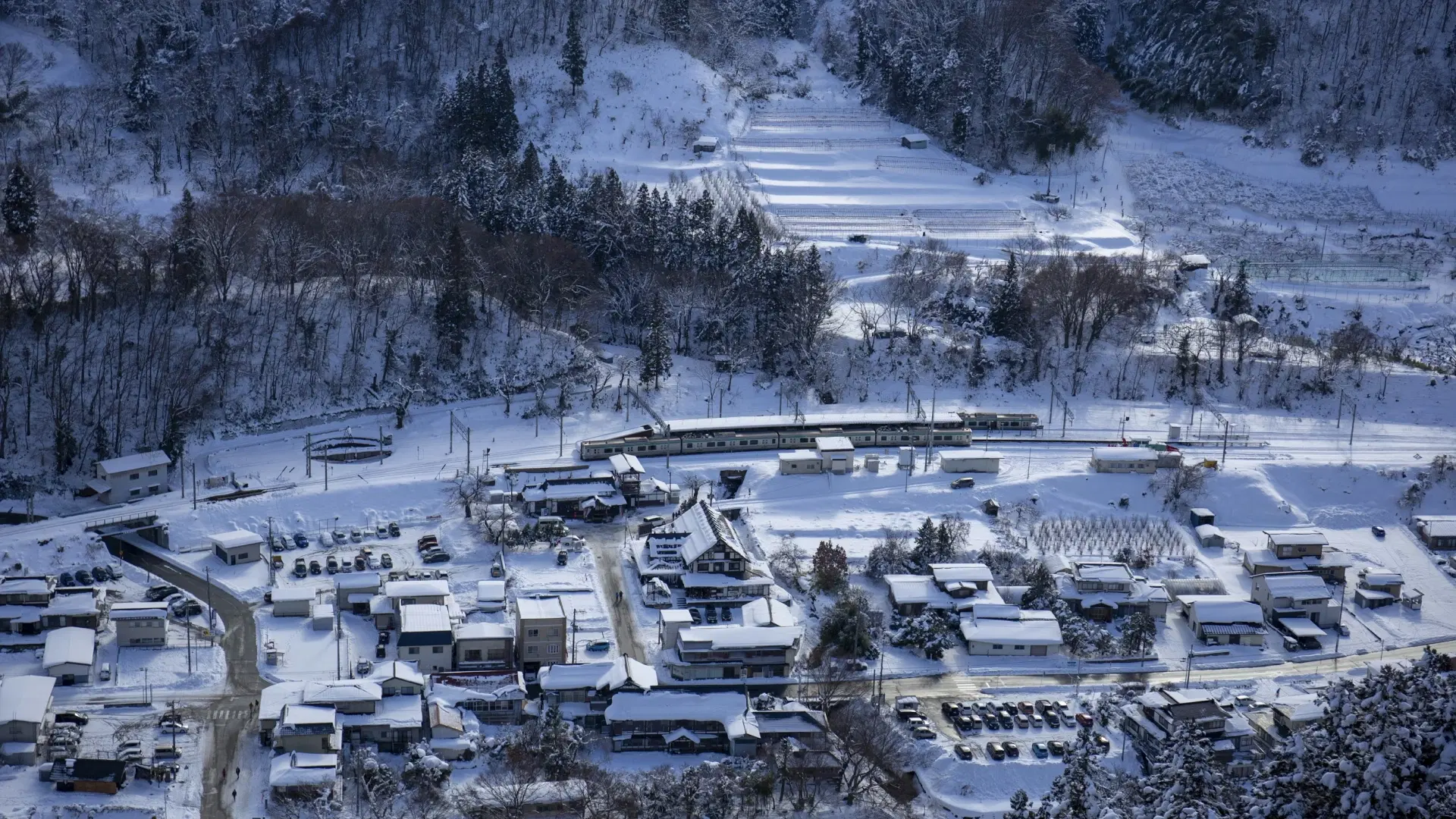
Access to the illumination site is primarily by the Zao Ropeway, which carries visitors from the base station at Zao Onsen village to the upper terminus near the snow monster field. The ropeway ride itself is part of the experience: as the gondola ascends, the landscape below transitions from the warm lights of the onsen town through dense forest and into the open, wind-scoured terrain where the juhyo begin to appear, first as lightly frosted trees and then as the fully formed monsters that define the upper slopes. On clear evenings, the stars above are fierce and numerous, the altitude and cold having stripped the atmosphere of the haze that obscures them at lower elevations.
The illuminated area encompasses the terrain around the upper ropeway station, where visitors can walk among the snow monsters on maintained paths. The scale of the formations is difficult to appreciate in photographs. Standing beside a juhyo that towers three or four meters above you, its surface a complex topography of frozen ridges and hollows rendered in shifting color, produces a sensation that combines awe with a mild unease, the feeling of being in the presence of something that is neither landscape nor creature but partakes of both. The cold at this altitude is severe and penetrating, and even well-prepared visitors will find their time outside limited to thirty or forty minutes before the need for shelter becomes urgent.
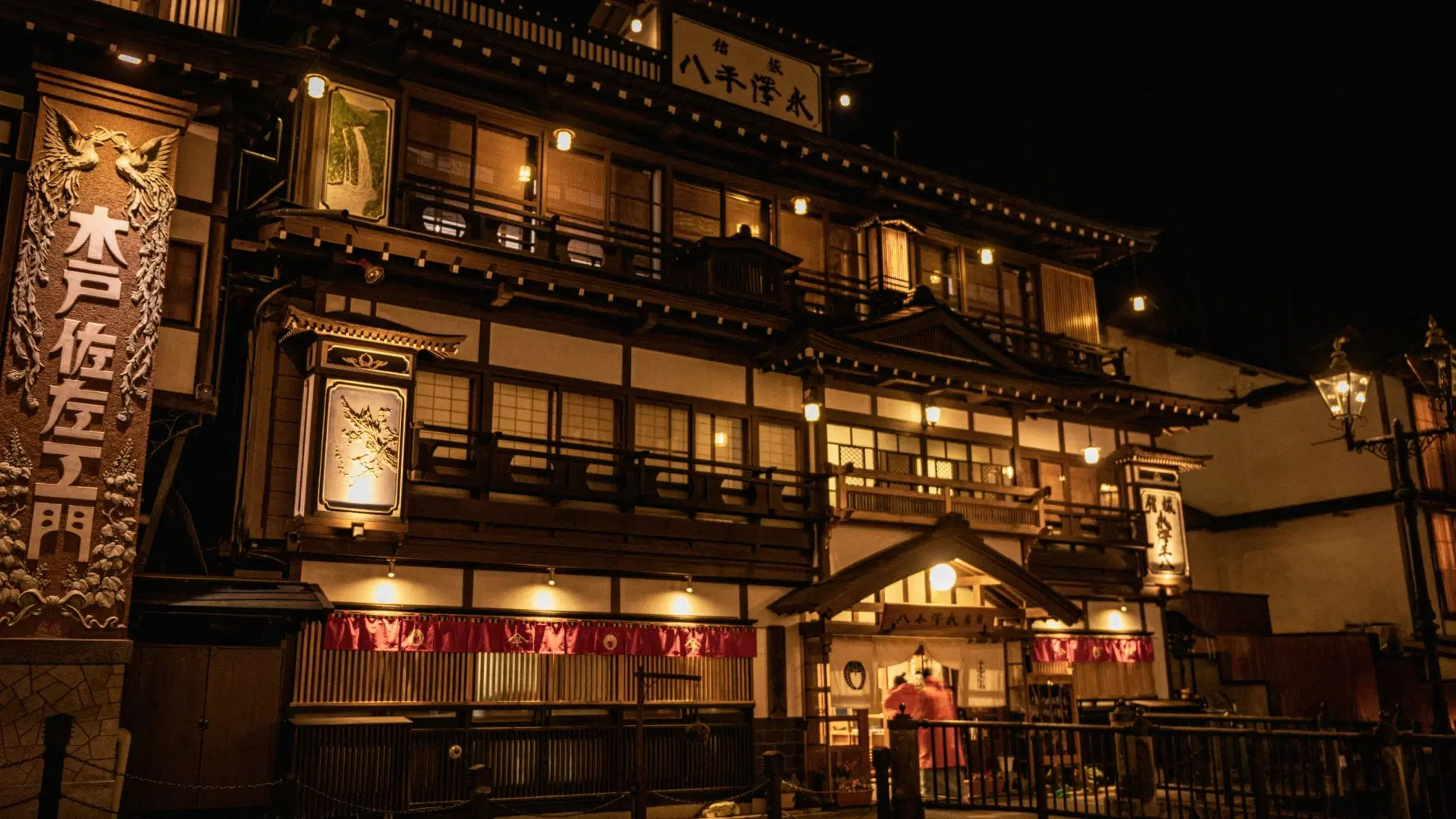
The return to Zao Onsen village after the illumination provides one of the great contrasts in Japanese travel. Within an hour of standing in subzero darkness among frozen giants, visitors can be submerged in the milky, sulfurous waters of one of the region's oldest hot spring towns, the heat of the onsen penetrating muscles that had clenched against the mountain cold. This pairing of extreme cold and deep warmth, of otherworldly spectacle and bodily comfort, is the essence of the Zao winter experience.