Tendo Sakura Festival and Human Shogi
天童桜まつり・人間将棋In the city of Tendo, which produces more than ninety percent of Japan's shogi pieces, the ancient game of strategy is played each spring on a scale that transforms abstraction into spectacle. On the hillside of Maizuru Park, beneath a canopy of two thousand cherry trees in full bloom, a giant shogi board is laid out on the ground, and the pieces are played not by carved wooden tokens but by human beings. Armored samurai and costumed attendants take their positions on the grid, moving across the board as directed by two professional shogi players who call the game from elevated platforms, their strategic calculations given physical form by the deliberate, ceremonial movements of living pieces across the checkered field.
The visual composition is extraordinary: the geometric precision of the board set against the organic profusion of cherry blossoms, the rigid formality of the armored figures contrasted with the soft pink petals drifting across the playing surface, the intellectual severity of shogi overlaid with the sensory beauty of hanami. The game proceeds at a stately pace, each move announced and executed with theatrical gravity, the spectators following the strategy on large display boards while watching its physical enactment on the hillside below. The combination of competitive tension and aesthetic pleasure creates an experience unlike any other festival in Japan.
Tendo's identity is inseparable from shogi. The city's craftsmen have been carving the game's distinctive pentagonal pieces from locally harvested boxwood and birch since the late Edo period, and the industry sustains a tradition of calligraphic artistry in which the characters on each piece are carved or lacquered by hand. The Human Shogi festival is thus not merely a curiosity or a tourist attraction but an expression of a community's deepest cultural identity, a celebration of the craft and the game that have defined Tendo for more than a century and a half.
In the city of Tendo, which produces more than ninety percent of Japan's shogi pieces, the ancient game of strategy is played each spring on a scale that transforms abstraction into spectacle.
History & Significance
The Human Shogi event was inaugurated in 1956 as part of Tendo's efforts to celebrate and promote its shogi piece industry, which had been established in the late Edo period when the domain's samurai, impoverished by the economic pressures of the era, were encouraged to supplement their income through the carving of shogi pieces. The craft took root and eventually dominated the national market, a transformation that turned a measure of economic desperation into a source of civic pride and cultural identity. The decision to stage a game of shogi with human pieces was inspired by historical accounts of similar spectacles in feudal Japan, when lords would command their retainers to serve as living game pieces for their entertainment.
The festival has grown steadily in scale and reputation since its founding, attracting professional shogi players of the highest rank to direct the game and drawing visitors from across Japan who come for the unique combination of strategic competition, historical pageantry, and cherry blossom viewing. The event has become Tendo's signature cultural offering, the image of armored figures arrayed on a giant board beneath flowering cherry trees serving as the city's most recognizable visual symbol. The festival's success has also reinforced the city's commitment to its shogi heritage, supporting the continuation of traditional piece-carving techniques and the training of new artisans.
What to Expect
The Human Shogi games are typically held over two days in mid-April, timed to coincide with the peak cherry blossom season at Maizuru Park. The hillside venue provides natural amphitheater seating, and spectators gather on the slopes above the board to watch the game unfold below. The pieces, played by local volunteers in period costume, move with deliberate ceremony, each repositioning accompanied by announcements and commentary that allow even those unfamiliar with shogi to follow the progress of the match. The professional players directing the game are often prominent figures in the shogi world, and their participation lends genuine competitive gravity to what might otherwise be purely ceremonial.
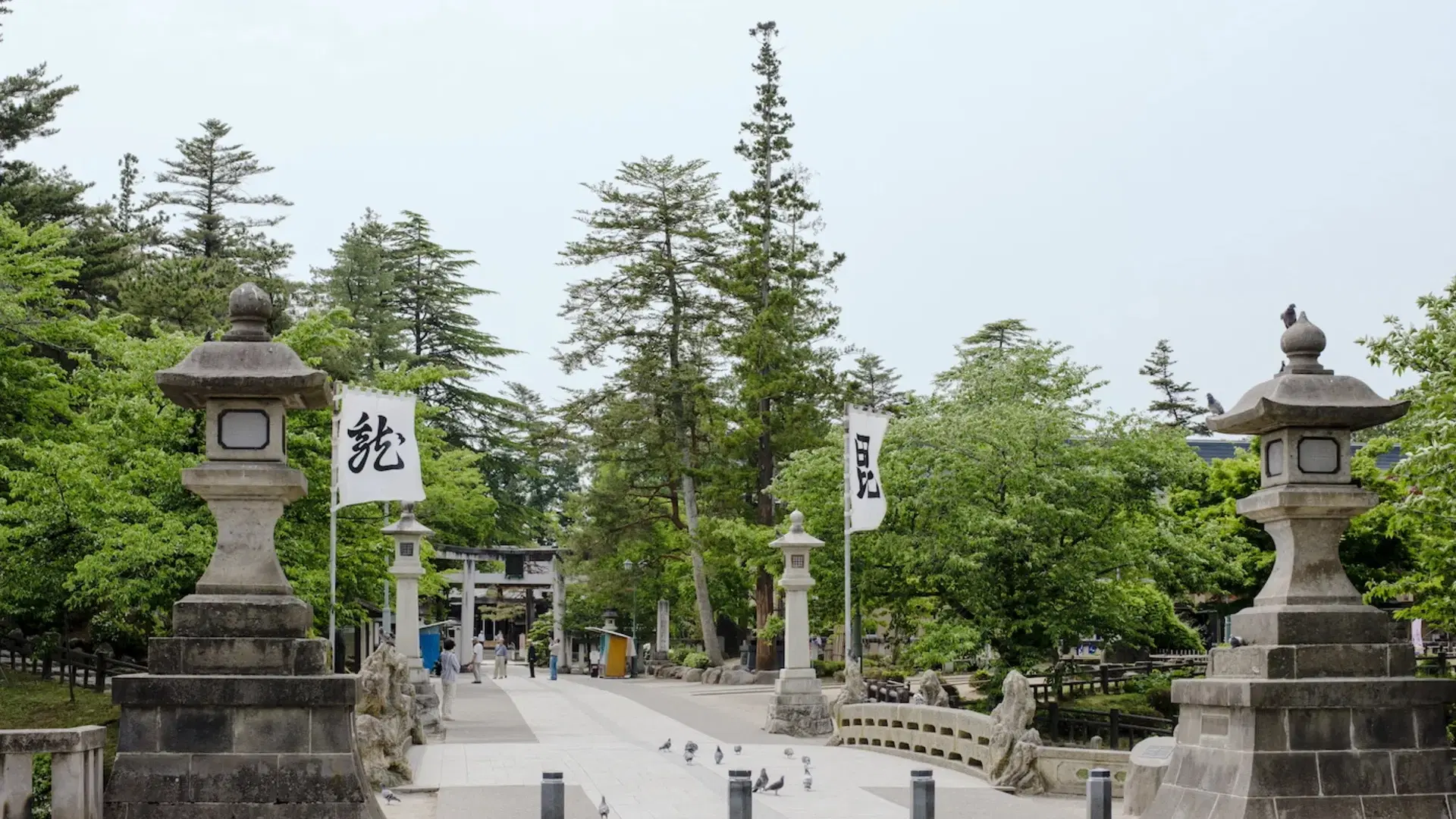
The surrounding park is one of Yamagata's premier cherry blossom sites, and the festival atmosphere extends well beyond the shogi board. Food stalls offer local specialties, shogi-themed souvenirs and sweets are sold throughout the grounds, and the cherry trees provide the setting for hanami gatherings that continue from morning through the illuminated evening hours. The combination of strategic entertainment and seasonal beauty gives the festival a layered quality that rewards both focused attention on the game and relaxed enjoyment of the spring setting.
Visitors with an interest in the craft of shogi piece-making should visit the Tendo Shogi Museum and the workshops of local artisans, where the process of selecting wood, carving forms, and applying the calligraphic characters can be observed. The pieces produced in Tendo range from utilitarian playing sets to art objects of considerable value, the finest examples displaying a mastery of calligraphy and lacquer work that elevates the functional object into the realm of fine craft.