Dewa Sanzan Shoreisai
出羽三山松例祭The Shoreisai of Dewa Sanzan is not a festival designed for spectators. It is a rite of passage, a confrontation between the human body and the forces of winter and spirit, conducted on the summit of Mount Haguro on the last night of the year. The ceremony's central figures are two yamabushi, mountain ascetics who have undergone one hundred days of purification rituals, fasting, cold water ablutions, and prayer in preparation for this single night. Known as the Matsuhijiri and the Matsurokoji, these two figures embody the struggle between the old year and the new, and their ritual contest, performed in the fire-lit darkness of the summit shrine, determines the agricultural fortune of the coming year. The winner's identity predicts whether rice or root vegetables will yield the better harvest.
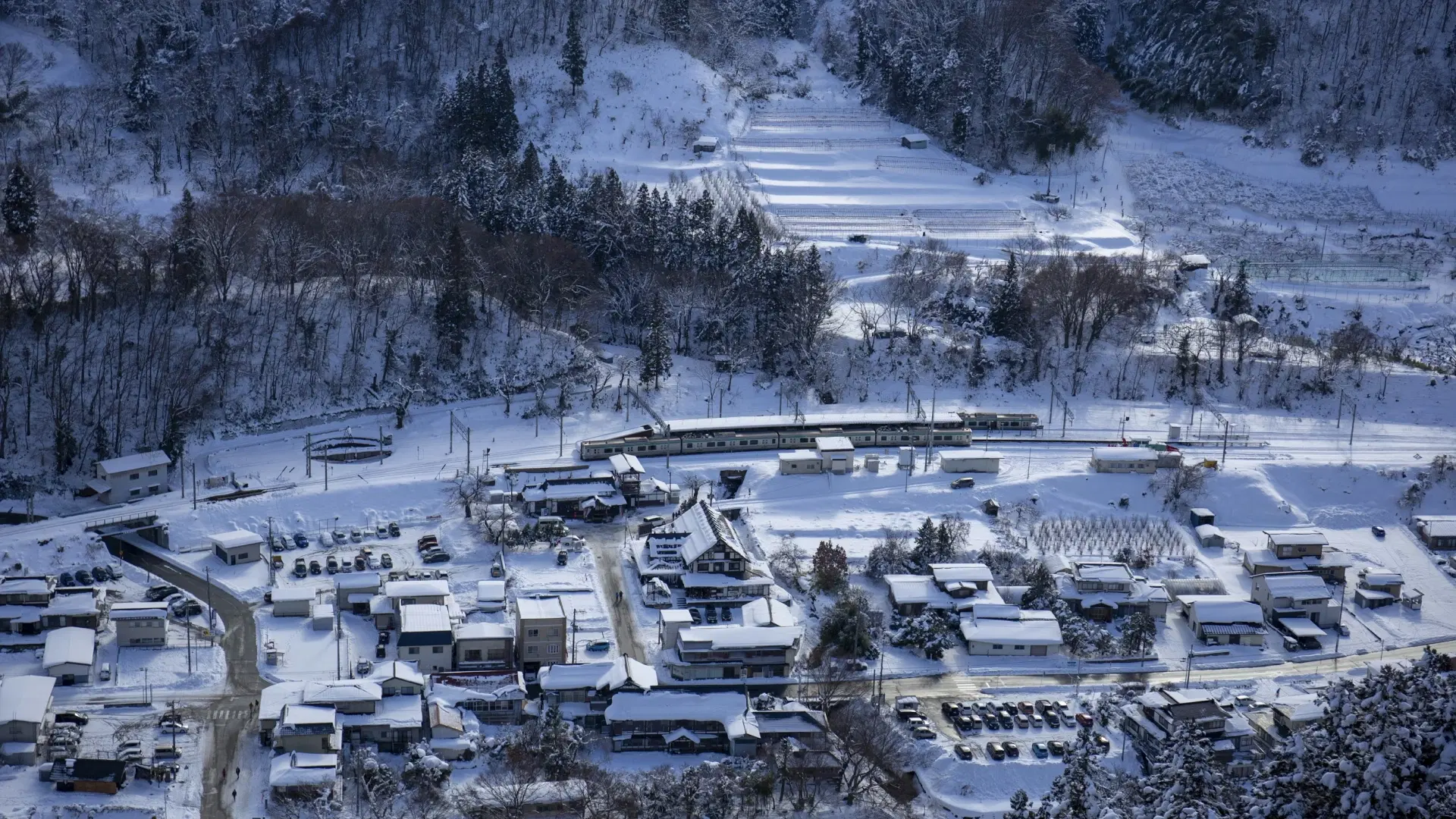
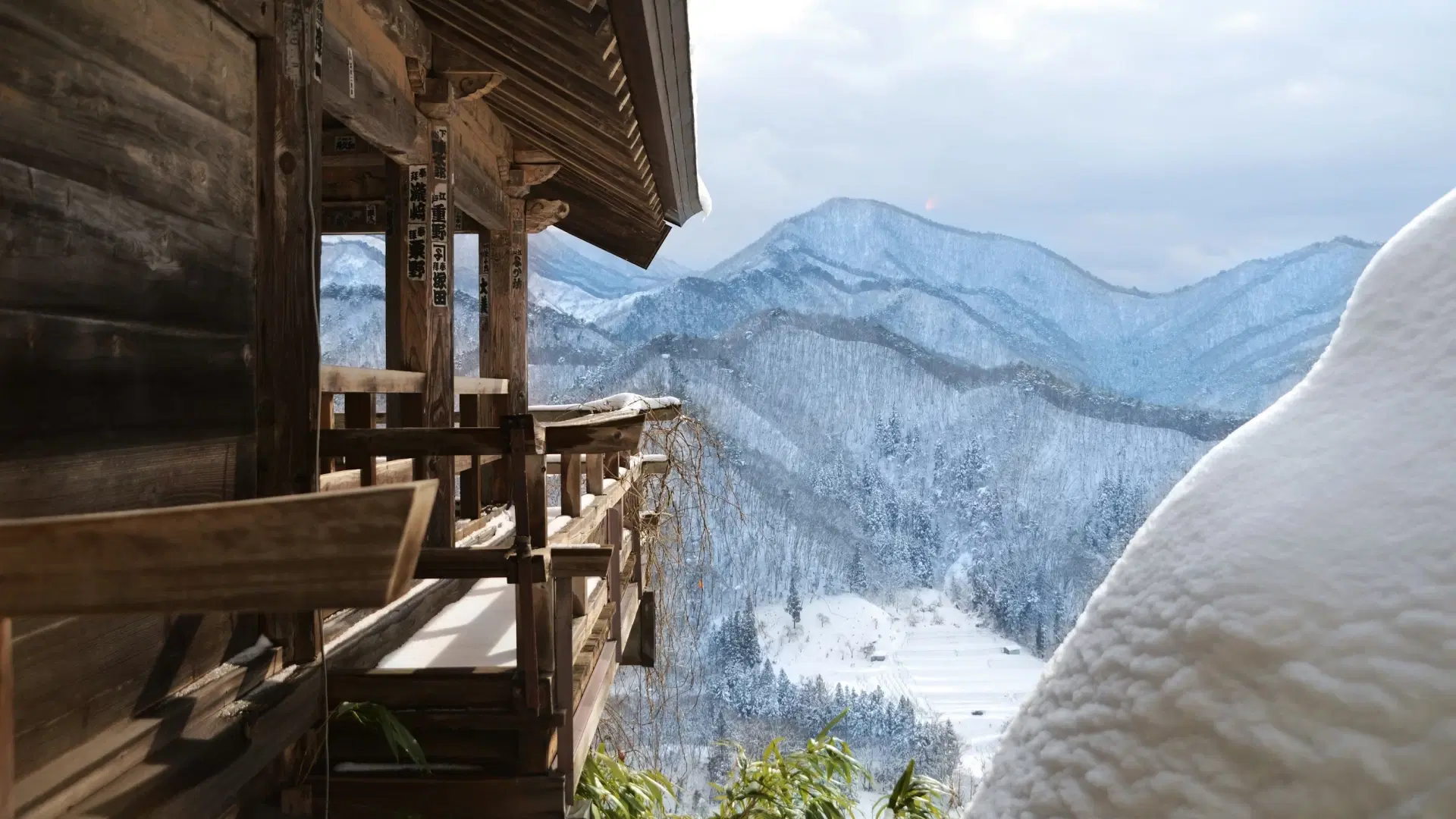
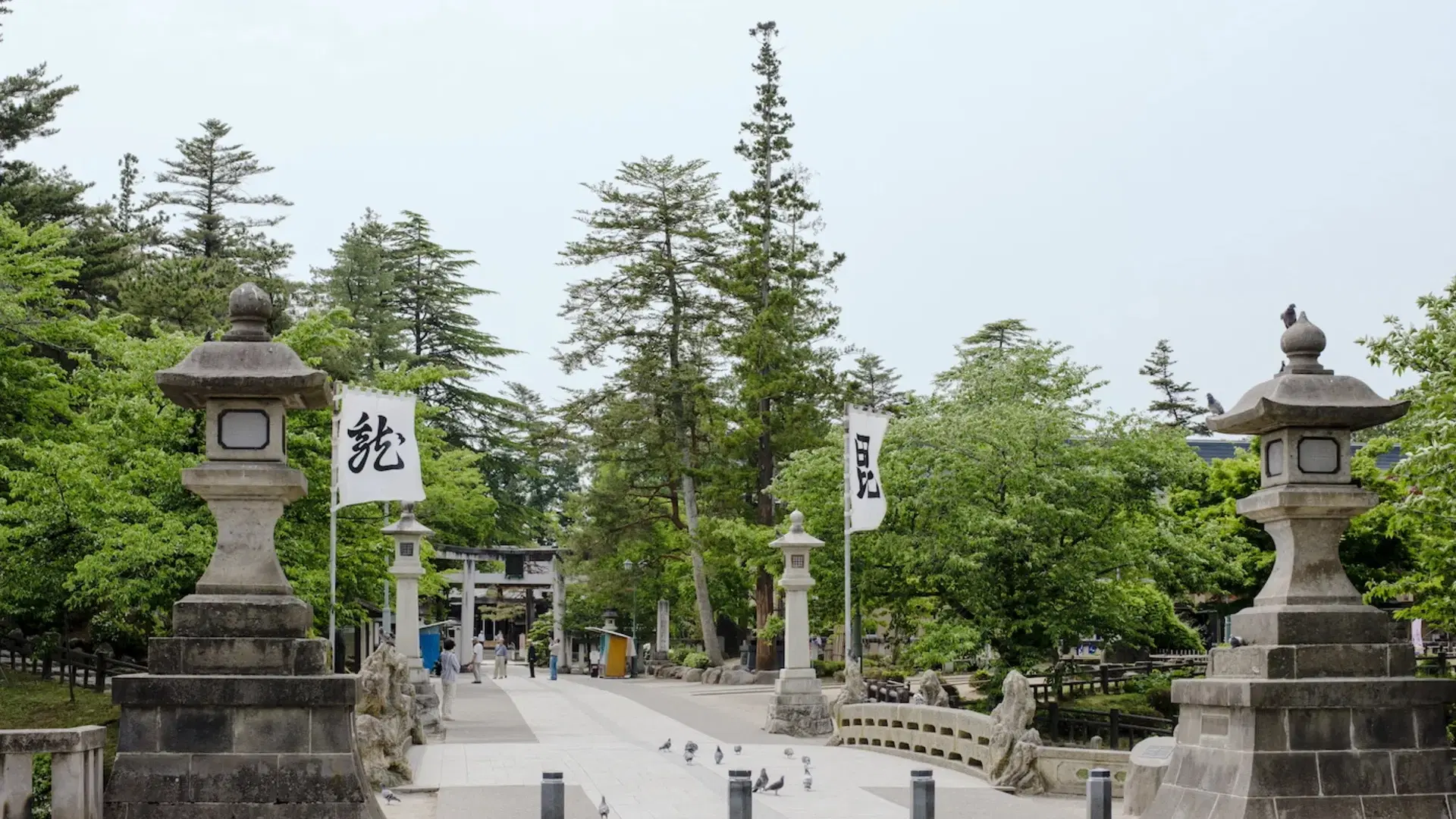
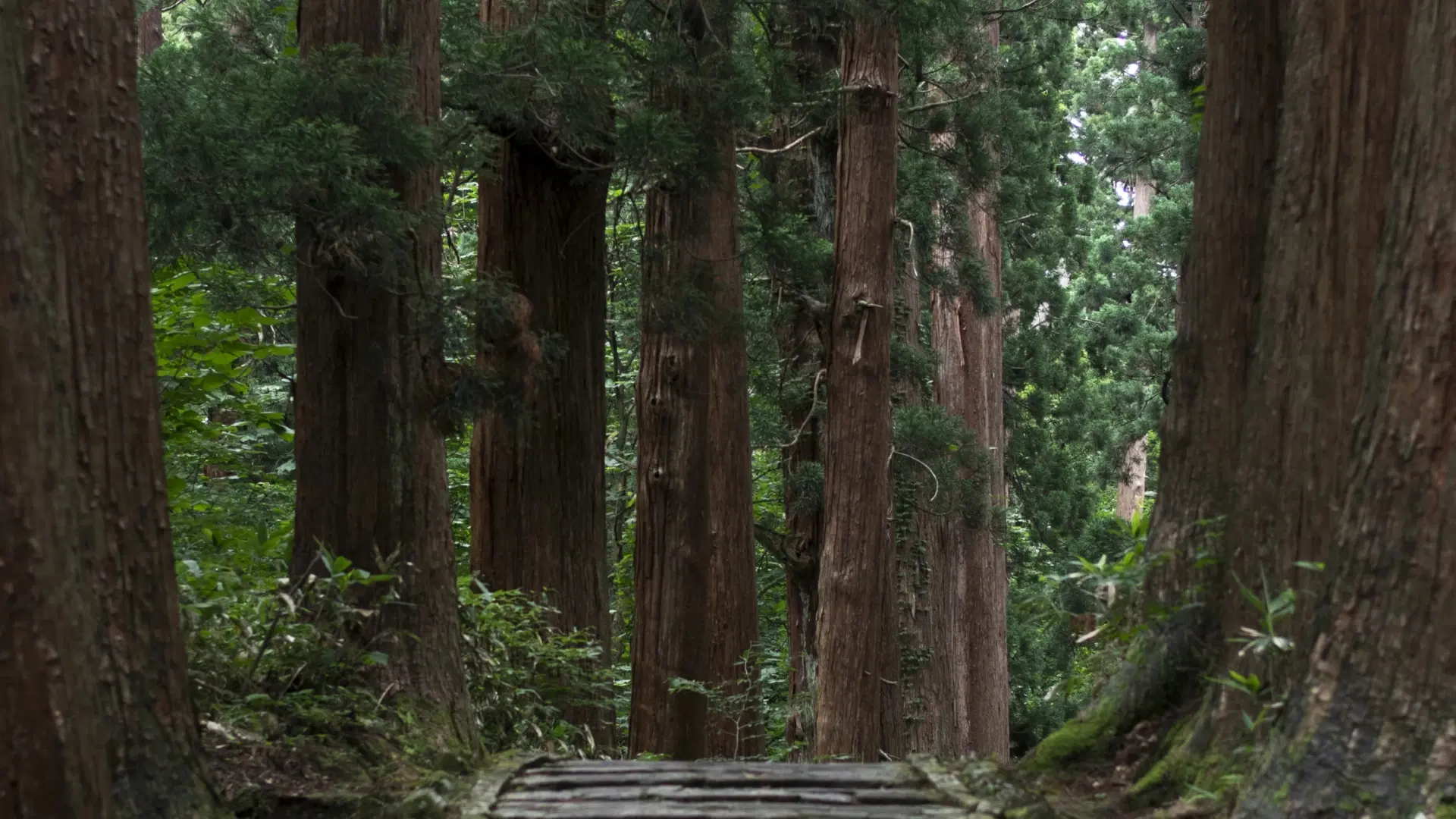
The setting is as essential as the ceremony itself. Mount Haguro, the most accessible of the three sacred mountains of Dewa, has been a center of Shugendo practice for more than fourteen hundred years, and the stone-paved path that ascends through ancient cedar forest to the summit is one of the great pilgrimage routes of Japan. On the night of Shoreisai, this path is traversed by worshippers climbing through darkness and cold to reach the summit, their breath crystallizing in the frigid air, their footsteps muffled by snow, the only light the occasional lantern marking the way. The ascent itself becomes a form of spiritual preparation, the physical effort and the cold stripping away the comforts of ordinary life.
The Shoreisai is the culmination of the Dewa Sanzan ritual calendar, the most intense and concentrated expression of a spiritual tradition that links human life to the cycles of the natural world. To witness it is to encounter a Japan that predates tourism, modernity, and the separation of the sacred from the daily. It is not comfortable, not convenient, and not easily forgotten.
The Shoreisai of Dewa Sanzan is not a festival designed for spectators.
History & Significance
The Shoreisai traces its origins to the founding traditions of Dewa Sanzan Shugendo, the syncretic practice of mountain asceticism that has been centered on the three peaks of Haguro, Gassan, and Yudono since the seventh century. The ritual is understood as a reenactment of the mythological struggle between opposing spiritual forces, a theme common to Shugendo practice throughout Japan but given particular intensity and specificity in the Dewa Sanzan tradition. The one hundred days of preparatory asceticism undertaken by the two central participants echo the practices of the yamabushi who have used the mountains as sites of spiritual training for more than a millennium, and the agricultural divination that forms the ceremony's climax reflects the inseparability of spiritual practice and agricultural survival in the communities that supported the mountain temples.
The ceremony has survived periods of suppression, particularly the Meiji government's separation of Shinto and Buddhism, which threatened the syncretic foundations of Shugendo practice. The Dewa Sanzan shrines were reorganized under Shinto authority, but the Shoreisai, with its deep roots in the community and its significance for the agricultural calendar, persisted. The postwar revival of interest in traditional spiritual practices brought renewed attention to the ceremony, and it is now designated as an Important Intangible Folk Cultural Property, a recognition that protects its practice and acknowledges its significance within Japan's religious and cultural heritage.
What to Expect
The Shoreisai begins on the evening of December 31st and extends past midnight into the first hours of the new year. The central ceremony takes place within the Sanshin Gosaiden, the imposing thatched-roof shrine at the summit of Mount Haguro, and access to the inner rituals is restricted to participants and designated observers. However, the approach to the summit and the atmosphere surrounding the shrine are open to worshippers and visitors who make the climb. The experience of ascending the 2,446 stone steps of the Haguro path in winter darkness, surrounded by cryptomeria trees that are themselves centuries old, is profound regardless of the degree to which one witnesses the ceremony itself.
The rituals visible to the general public include the dramatic moment when the yamabushi emerge from the shrine carrying enormous torches of bound pine, the sparks and flames illuminating the snow-covered summit and the faces of the assembled crowd. The fire, the cold, the chanting, and the physical intensity of the performers' movements create an atmosphere that is primal and immediate, a reminder that Japan's spiritual traditions were forged not in the refinement of court culture but in the raw encounter between human will and mountain wilderness. The crowd participates through their presence and their endurance, the shared suffering of the cold becoming its own form of communal ritual.
Following the ceremony, many attendees descend to the temple lodgings at the base of the mountain, the shukubo, where warm food, sake, and the relief of heated rooms await. The transition from the severe cold and spiritual intensity of the summit to the warmth and conviviality of the shukubo is itself a passage, a movement from the sacred to the human that mirrors the festival's themes of death and renewal.