Tsuruoka
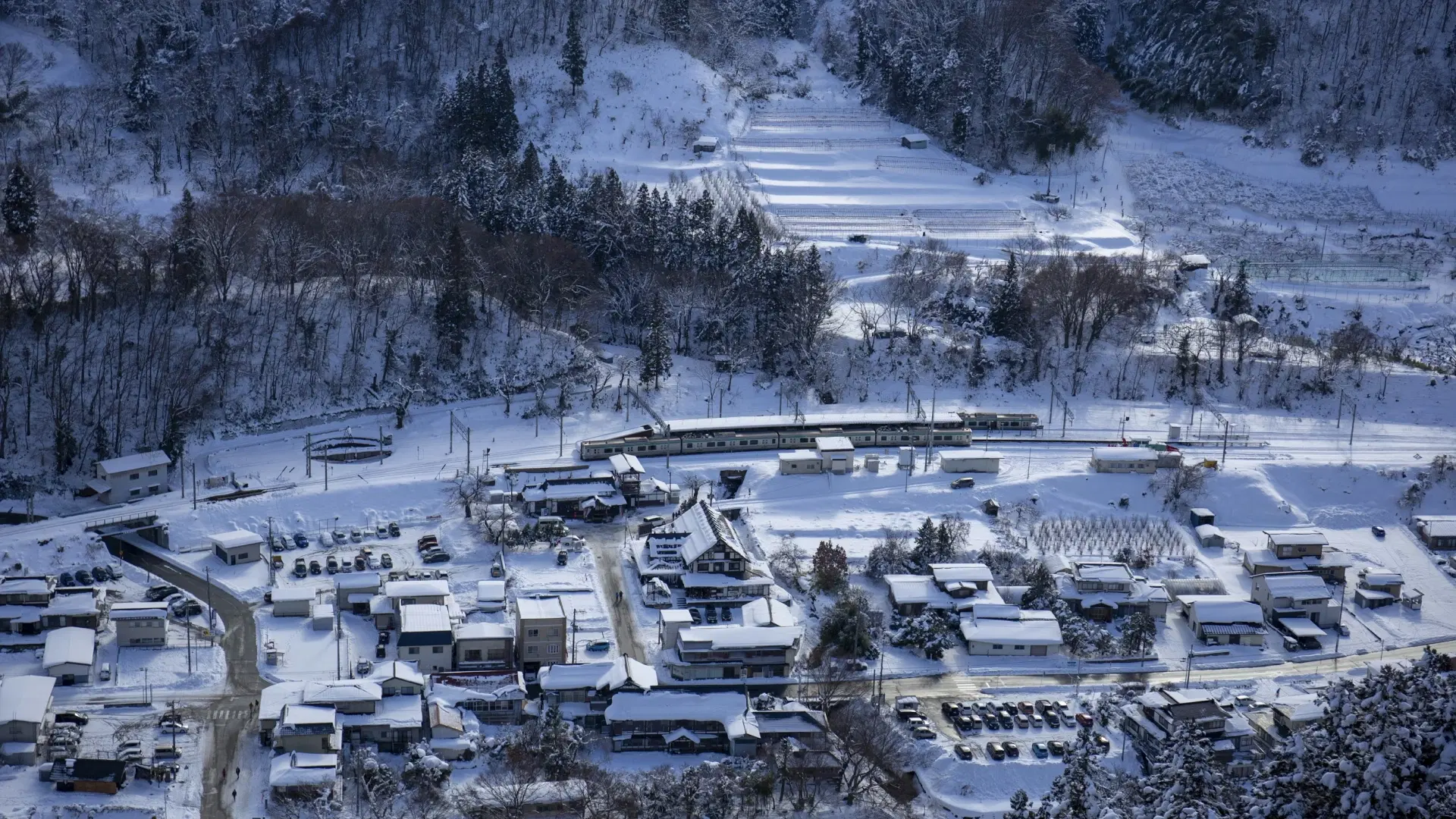
鶴岡Tsuruoka is a city whose identity is woven from three strands so distinctive that any one of them would justify a journey: it is one of Japan's designated UNESCO Creative Cities of Gastronomy, the gateway to the sacred mountains of Dewa Sanzan, and the former castle town of the Sakai clan, whose 250-year stewardship produced a culture of learning and refinement that persists in the city's institutions, architecture, and civic temperament. Located on the Shonai Plain, where the Aka River meets the Sea of Japan coast, Tsuruoka occupies a landscape of astonishing agricultural richness, its rice paddies stretching to the horizon in every direction, its mountains supplying wild foods that have sustained a culinary tradition of remarkable depth.
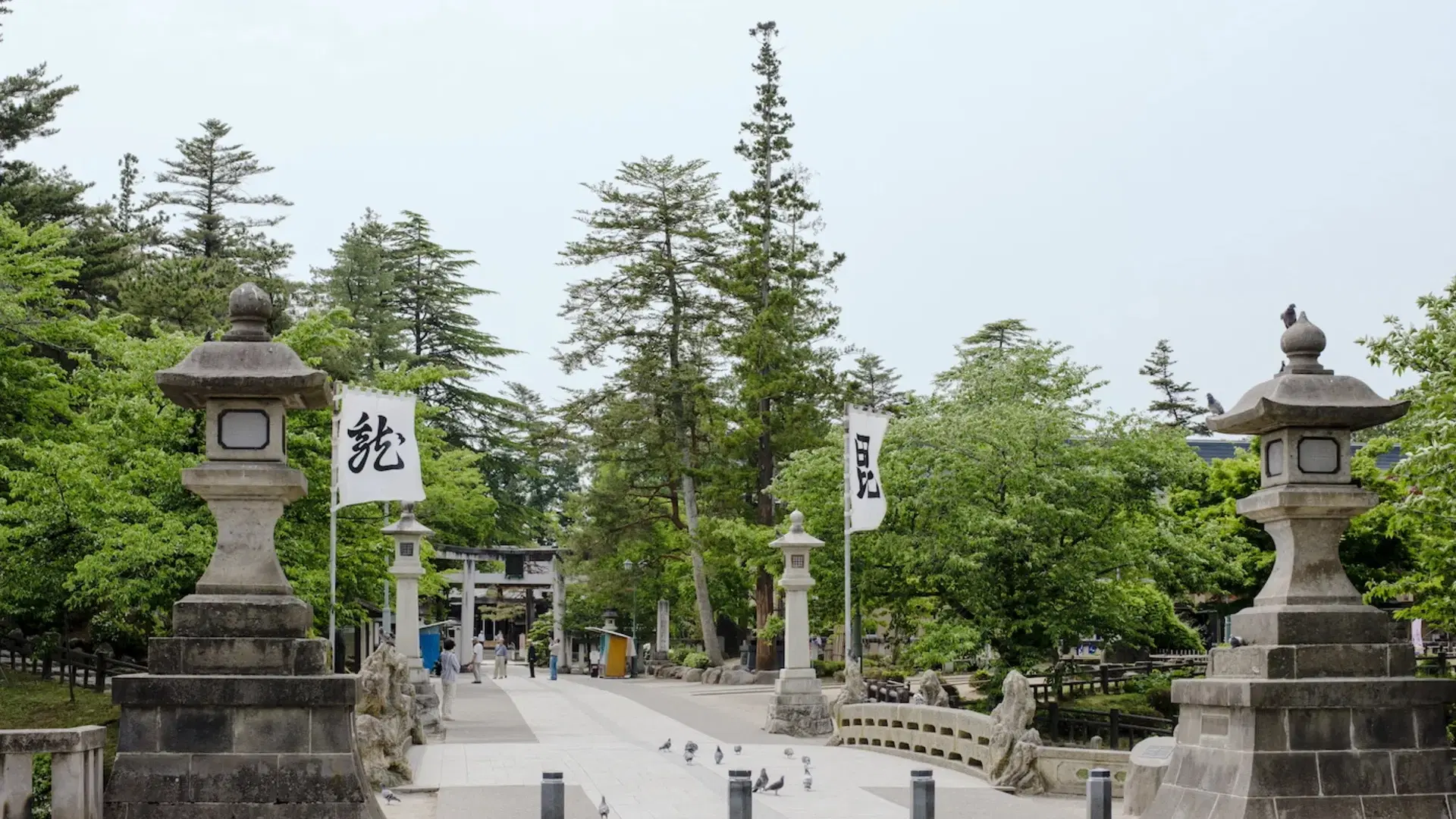
The Sakai domain, established in 1622, was distinguished by an unusually strong commitment to education and intellectual life. The Chido Museum, located on the grounds of the former Sakai residence, preserves the material culture of this domain, including its remarkable library, and the nearby Chido-kan, the domain school founded in 1805, has been restored to reveal the educational infrastructure that produced generations of scholars, administrators, and cultural leaders. The Sakai legacy is felt not as nostalgia but as a living influence on a city that continues to value learning, craftsmanship, and the careful stewardship of inherited traditions.
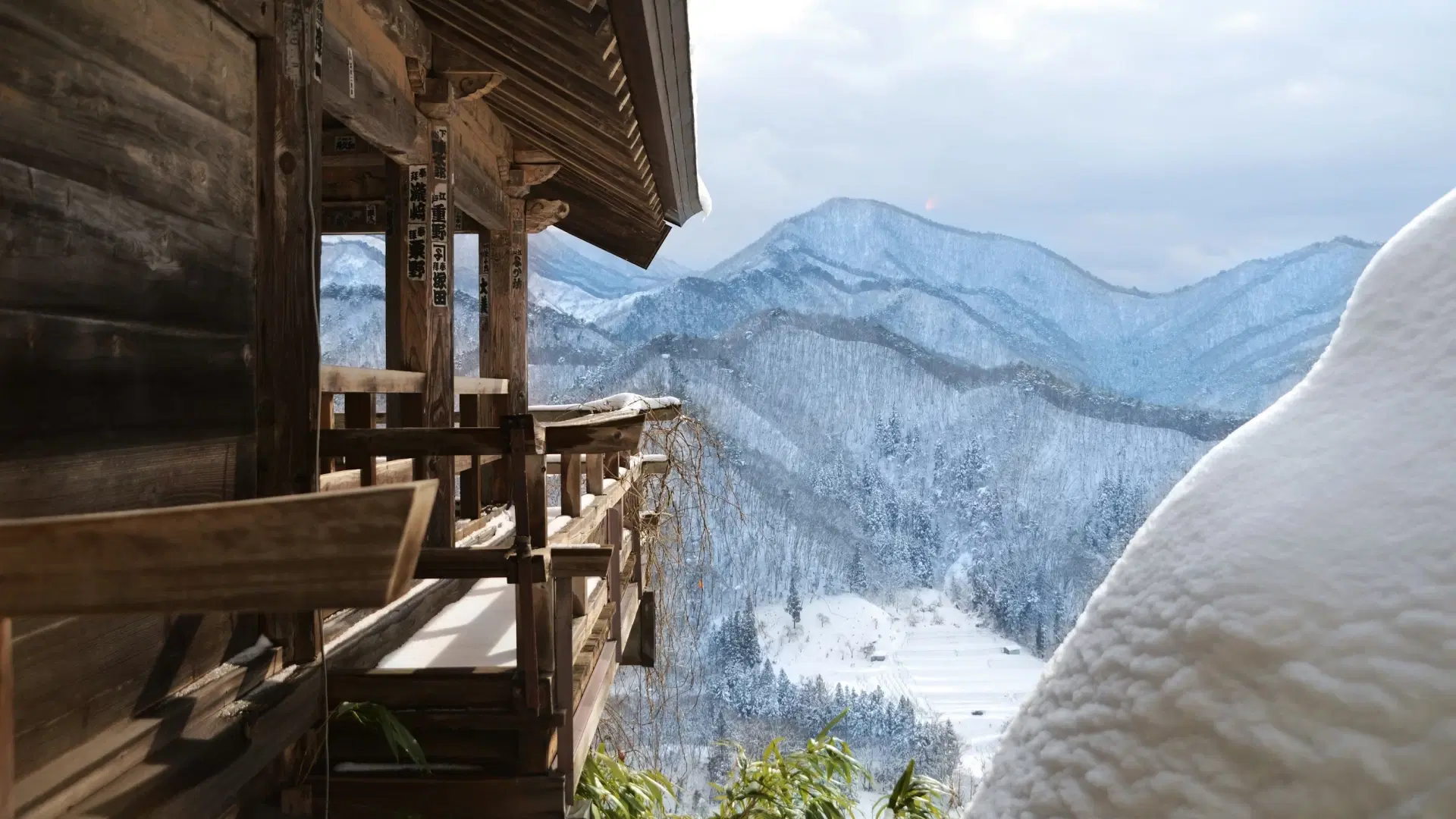
Tsuruoka's relationship with the sacred mountains of Dewa Sanzan, the three peaks of Haguro, Gassan, and Yudono, gives the city a spiritual dimension that no purely secular destination can possess. The yamabushi mountain ascetics who have practiced their austere discipline on these peaks for more than fourteen centuries pass through Tsuruoka on their way to and from the mountains, and their presence, together with the temple lodgings, the ritual foods, and the pilgrim traditions that surround the Sanzan, infuse the city with a sense of purpose that extends beyond the material world.
Highlights
The Chido Museum is Tsuruoka's essential cultural destination, a complex that encompasses the former Sakai clan gardens, a Meiji-era Western-style building, several relocated traditional structures, and collections that range from samurai arms and armor to folk crafts and natural history. The gardens, designed in the kaiyushiki strolling style, are particularly fine, their carefully composed views of pond, stone, and planting creating moments of stillness that the surrounding city cannot penetrate. The museum's breadth reflects the comprehensive cultural interests of the Sakai domain and provides the context necessary to understand Tsuruoka's distinctive character.
The approach to Mount Haguro, the most accessible of the three Dewa Sanzan peaks, begins at the Zuishinmon gate and ascends through a cedar forest of extraordinary antiquity. The climb of 2,446 stone steps passes the Gojuto, a five-story pagoda designated a National Treasure, standing alone in the forest in a clearing that makes its proportions and the precision of its construction all the more striking. At the summit, the Sanjin Gosaiden shrine, one of the largest thatched-roof structures in Japan, houses the deities of all three mountains and serves as the spiritual culmination of a pilgrimage that has drawn the faithful for centuries.
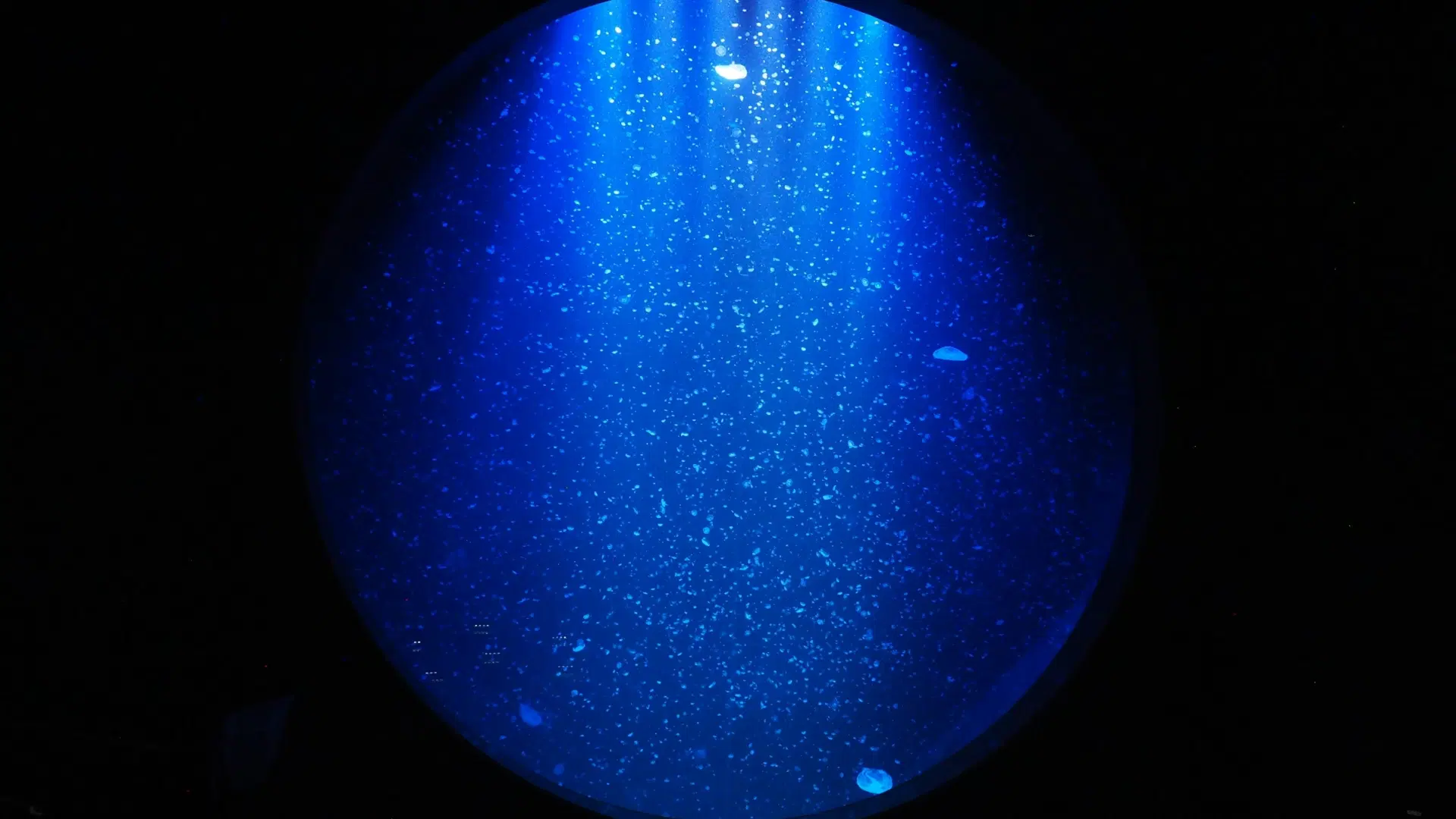
The Shonai coast, a short drive from the city center, offers a different landscape entirely. The fishing port of Kamo, known for its jellyfish aquarium and its fresh seafood markets, provides access to the Sea of Japan's bounty, while the dramatic cliffs and rock formations along the coast create a seascape that contrasts sharply with the ordered geometry of the inland rice paddies.
Culinary Scene
Tsuruoka's UNESCO designation as a Creative City of Gastronomy is not honorary but earned through a food culture of unusual depth and continuity. The city and its surrounding region maintain a living tradition of heirloom crops, with more than sixty varieties of indigenous vegetables, fruits, and legumes cultivated by farming families who have preserved seeds across generations. These dadacha-mame edamame, atsumi kabu turnips, and other heritage varieties form the foundation of a cuisine that is rooted in specific soils and microclimates, a true expression of terroir in a Japanese context.
The cuisine of the yamabushi tradition adds another dimension entirely. The shojin ryori, or Buddhist vegetarian cuisine, served at the temple lodgings on Mount Haguro employs wild mountain plants, mushrooms, nuts, and seeds gathered from the sacred forests, prepared according to principles that regard cooking as a spiritual practice. A meal at one of these lodgings, served in a tatami room by monks who have gathered and prepared the ingredients themselves, offers a culinary experience that is at once ascetic and profoundly satisfying. The secular restaurants of Tsuruoka have absorbed this mountain influence, and the best of them create menus that move between the refinement of kaiseki and the elemental directness of yamabushi cooking.
The Shonai coast supplies exceptional seafood, with winter bringing the prized cold-water species, including nodoguro and buri, that define the Sea of Japan's culinary contribution. Tsuruoka's sake, brewed from the Shonai Plain's celebrated rice and the mountain water that feeds it, is among the most respected in the Tohoku region.