Tendo
天童Tendo is a small city with a singular claim to cultural fame: it produces more than ninety percent of Japan's shogi pieces, the hand-carved and lacquered wooden tokens used in the strategic board game that has been called the Japanese chess. This artisanal tradition, which dates to the late Edo period when the domain's samurai were encouraged to supplement their income through craft production, has shaped the city's identity so completely that shogi motifs appear on manhole covers, street signs, and public monuments, and the annual Human Shogi match, played with costumed performers on a giant outdoor board during cherry blossom season, has become one of the most distinctive festival events in the Tohoku region.
Located in the Yamagata Basin just north of the prefectural capital, Tendo sits on a gentle rise above the surrounding rice paddies, its hot spring district occupying the eastern slopes of a hillside crowned by the ruins of Tendo Castle. The town's onsen, discovered in the Meiji period during construction work, draw a steady flow of domestic visitors whose presence supports a cluster of ryokan and hotels that serve as comfortable bases for exploring the broader Yamagata region. The waters, classified as a sodium sulfate spring, are known for their smoothing effect on the skin and their gentle warmth, qualities that make them particularly pleasant for extended soaking.
Beneath its shogi fame and hot spring amenities, Tendo possesses a quiet agricultural prosperity grounded in the orchards that cover the hillsides surrounding the town. Tendo is one of Yamagata's premier fruit-growing areas, producing cherries, peaches, grapes, and apples in succession from early summer through late autumn. The experience of visiting a working orchard during harvest season, picking fruit from trees whose branches are heavy with a sweetness that is almost excessive, connects the visitor to the agricultural rhythm that still underlies life in the Yamagata Basin.
Tendo is a small city with a singular claim to cultural fame: it produces more than ninety percent of Japan's shogi pieces, the hand-carved and lacquered wooden tokens used in the strategic board game that has been called the Japanese chess.
Highlights
The Tendo Shogi Museum provides the most comprehensive introduction to the city's defining craft. The collection traces the history of shogi piece production from its origins in the domain's samurai workshops through to the contemporary masters whose hand-carved pieces are prized by professional players and collectors. The crafting process, which involves selecting and seasoning the wood, usually boxwood or birch, carving the characters by hand with specialized chisels, and applying lacquer in multiple coats, is documented with a thoroughness that reveals the extraordinary skill involved. Visitors can observe artisans at work and, at certain times, try their hand at carving under instruction.
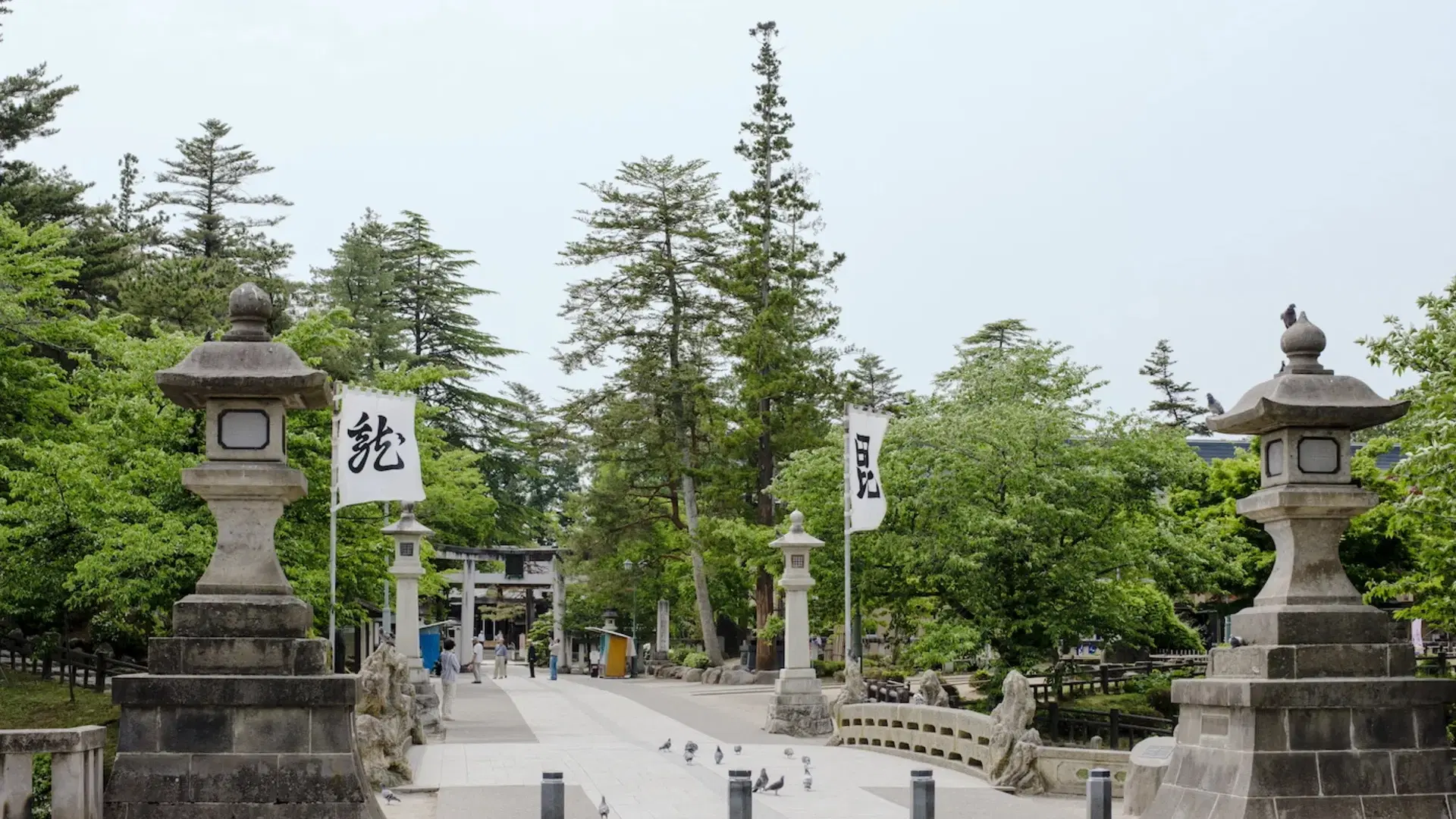
Tendo Park, the hillside park built around the castle ruins, is the city's landscape anchor. The park's approximately two thousand cherry trees make it one of Yamagata's finest hanami destinations, and the views from the hilltop across the basin to the Zao and Gassan ranges provide a panoramic orientation to the prefecture's geography. The park's walking paths wind through the trees and past stone markers that record the castle's history, creating a gentle circuit that is especially rewarding in the soft light of late afternoon.
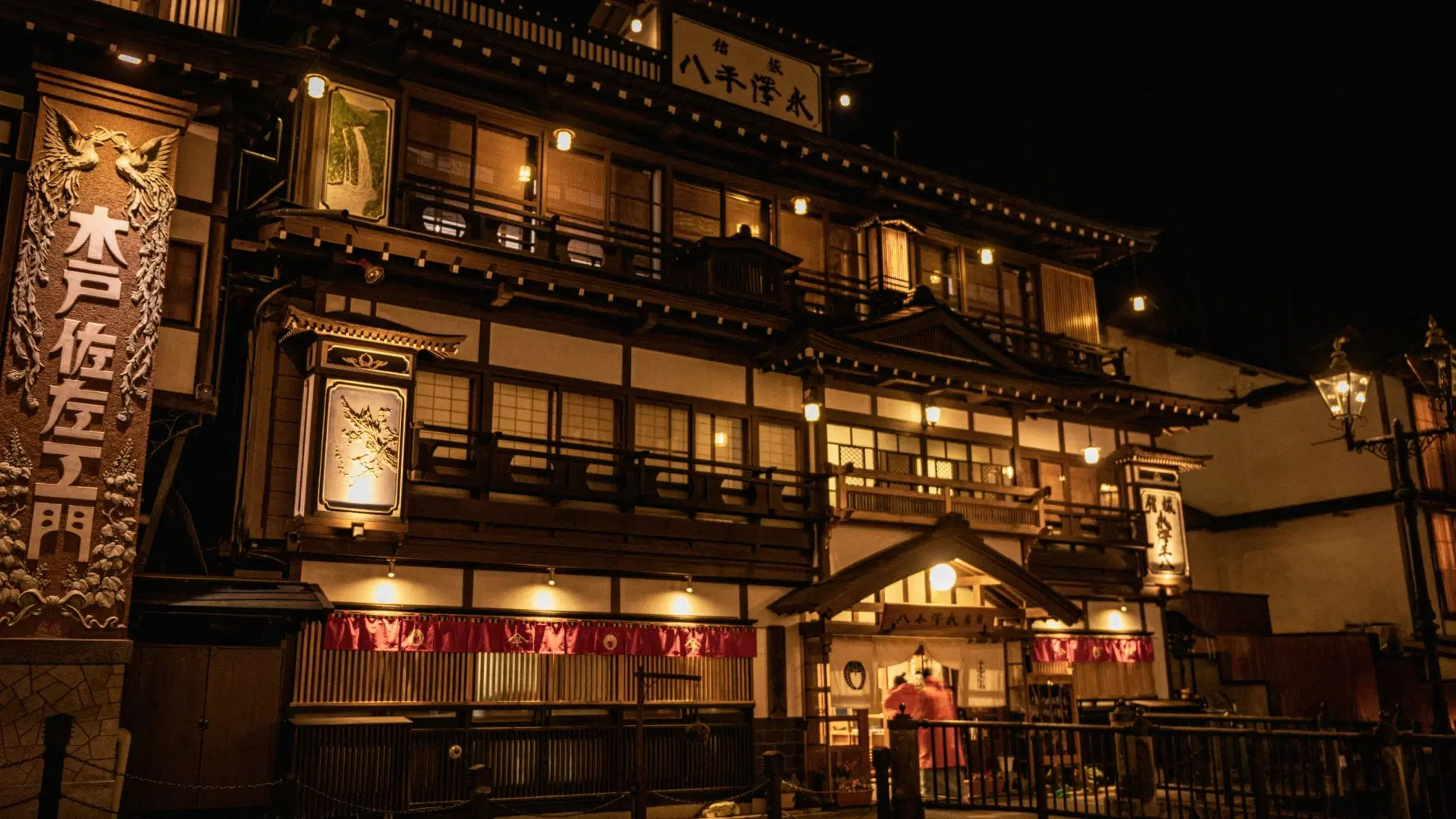
The hot spring district on the eastern slope of the park hill offers the traditional ryokan experience within easy reach of the city center. Several of the establishments maintain gardens and public areas of genuine refinement, and the combination of a soak in the onsen, followed by a kaiseki dinner featuring local ingredients, followed by an evening stroll through the quiet streets of the hot spring quarter, provides a template for the kind of unhurried pleasure that defines travel in rural Yamagata.
Culinary Scene
Tendo's culinary identity is inseparable from its orchards. The Sato Nishiki cherry, Japan's most celebrated variety, reaches its peak quality in the Tendo area, where the combination of volcanic soil, mountain water, and the wide temperature differential between day and night produces fruit of remarkable sweetness and firm texture. Cherry season, roughly mid-June through mid-July, is a period of genuine excitement in the city, and the fruit appears in every context from simple bowls of fresh-picked cherries to elaborate parfaits and desserts at the local cafes. The peaches, grapes, and apples that follow through summer and autumn maintain the same standard, and the rhythmic succession of harvests gives Tendo's food calendar a narrative structure.
The city shares in the broader Yamagata soba tradition, with several notable restaurants serving ita-soba, the flat-board presentation of thick, hand-cut buckwheat noodles that is the regional signature. The local onsen ryokan typically serve kaiseki dinners that draw from both the mountain and orchard traditions, with seasonal fruit often appearing not only as dessert but incorporated into savory preparations, a slice of persimmon alongside sashimi or a grape accent in a vinegar dressing. The sake of the Yamagata Basin, produced from locally grown Dewa Sansan and Dewa no Sato rice varieties, offers pairings of particular elegance.