Solo at the Ryokan: A Guide to Traveling Alone in Japan's Inns
Why the solo ryokan experience is one of the most rewarding ways to travel, and how to navigate it with confidence
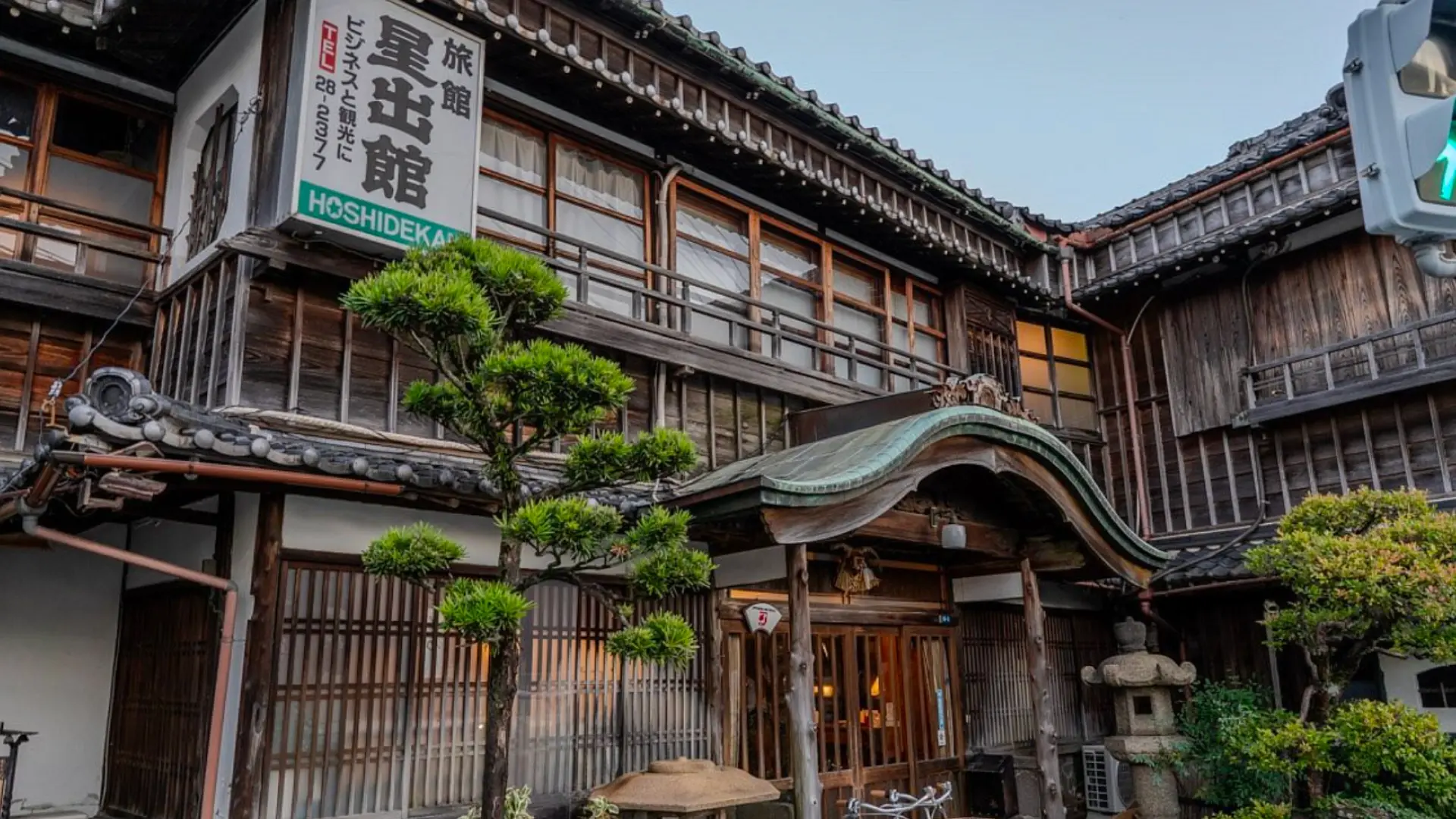
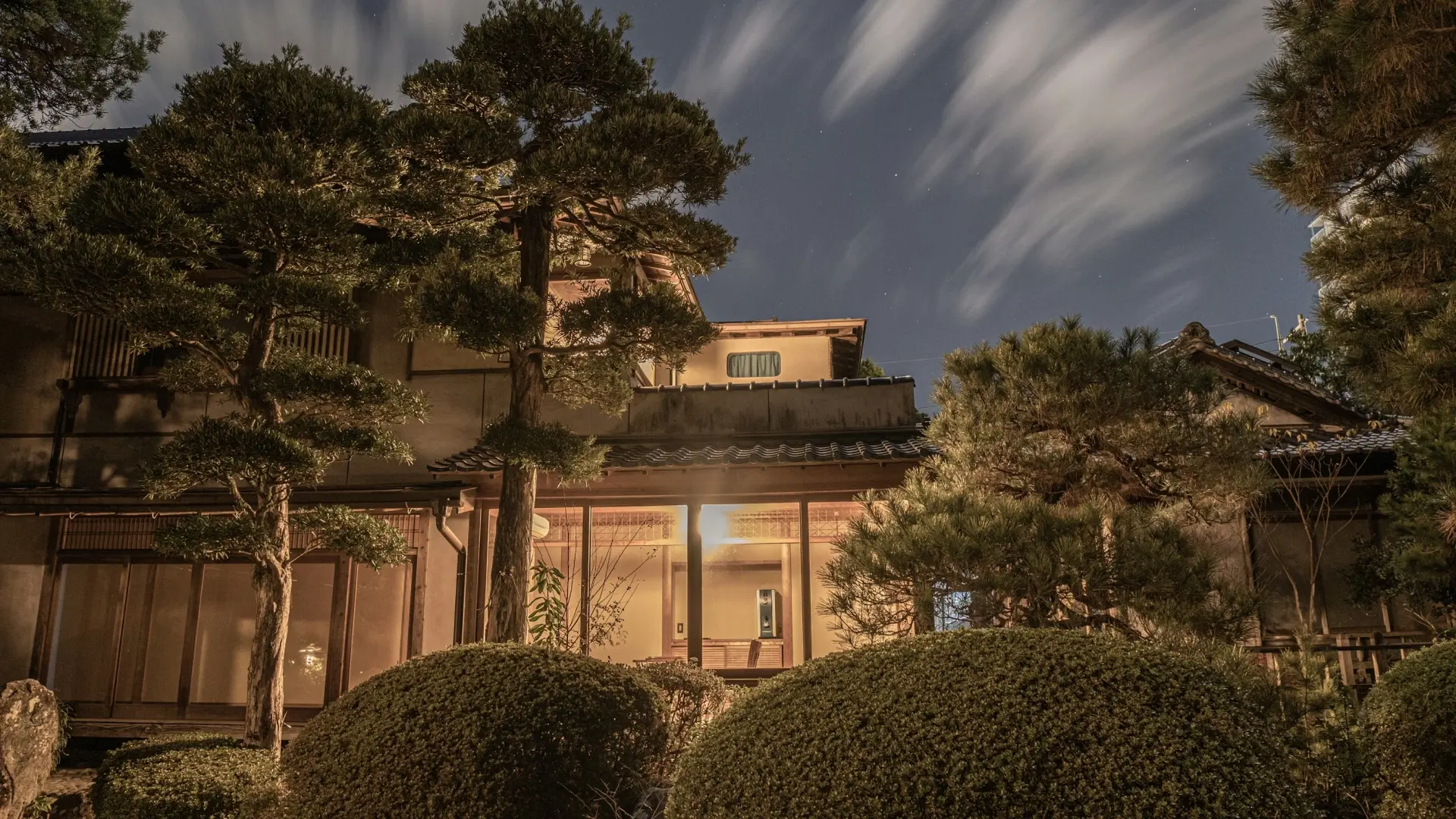
There is a particular quality of attention that emerges when you travel alone. Without the comfortable buffer of a companion, every sense sharpens. The Japanese ryokan is, in many ways, the ideal setting for this kind of solitary attention. The evening routine is inherently contemplative, and the ryokan treats the solo guest not as half of a pair but as a complete visitor, deserving of the full experience.
Navigating the Practical Realities
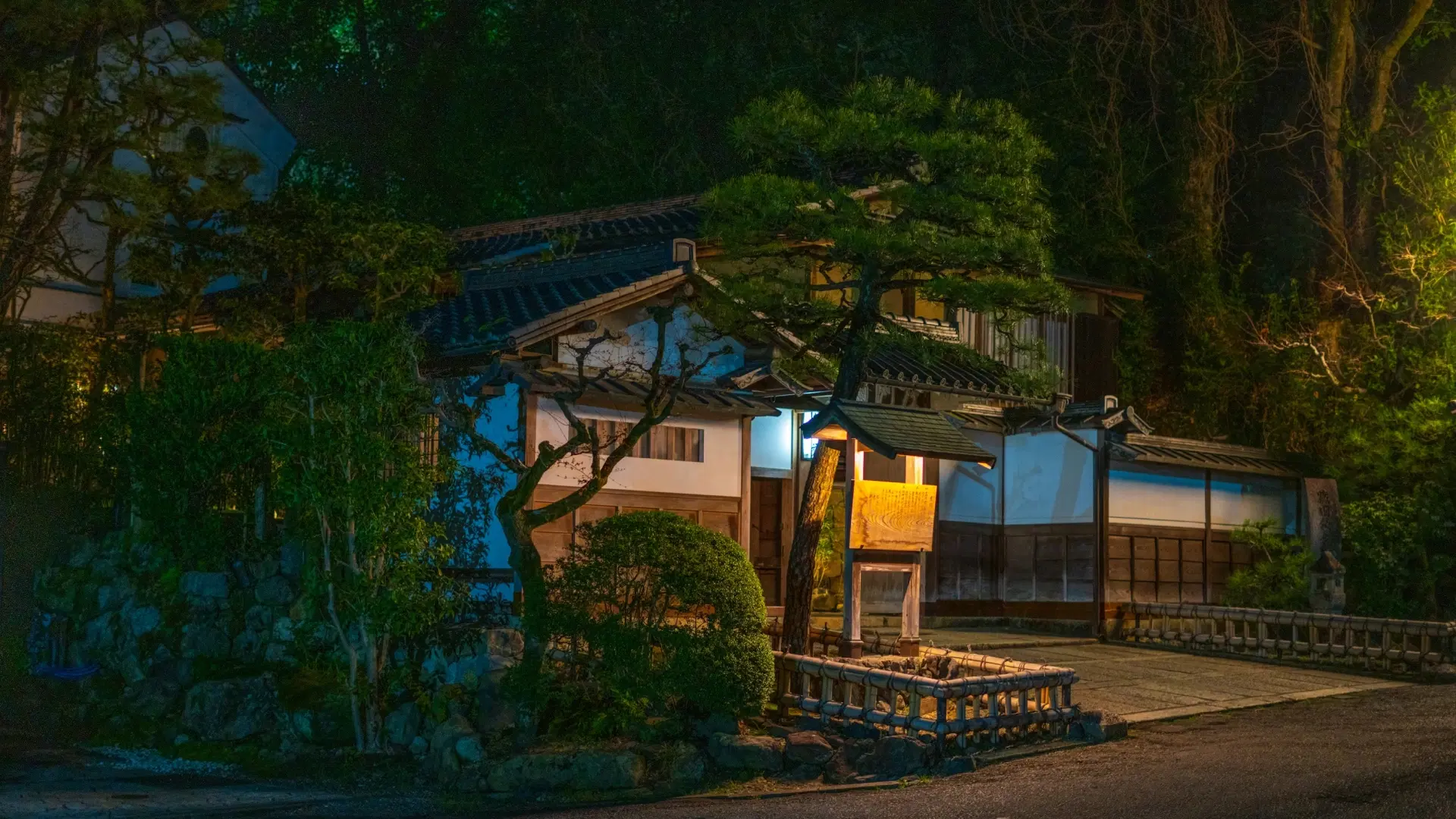
The concept of hitoriyo, literally "one-person stay," has gained significant traction as solo domestic travel becomes more popular in Japan. Many ryokans now offer dedicated solo plans on their websites and on Japanese booking platforms like Jalan and Rakuten Travel, priced for single occupancy with the same kaiseki dinner and breakfast as the standard rate.
When calling or emailing a ryokan, the phrase "hitori de tomaru koto wa dekimasu ka" (can I stay alone?) will be understood immediately. The vast majority of ryokan proprietors are genuinely pleased to host solo travelers, particularly during weekday periods.
The Solo Onsen Experience
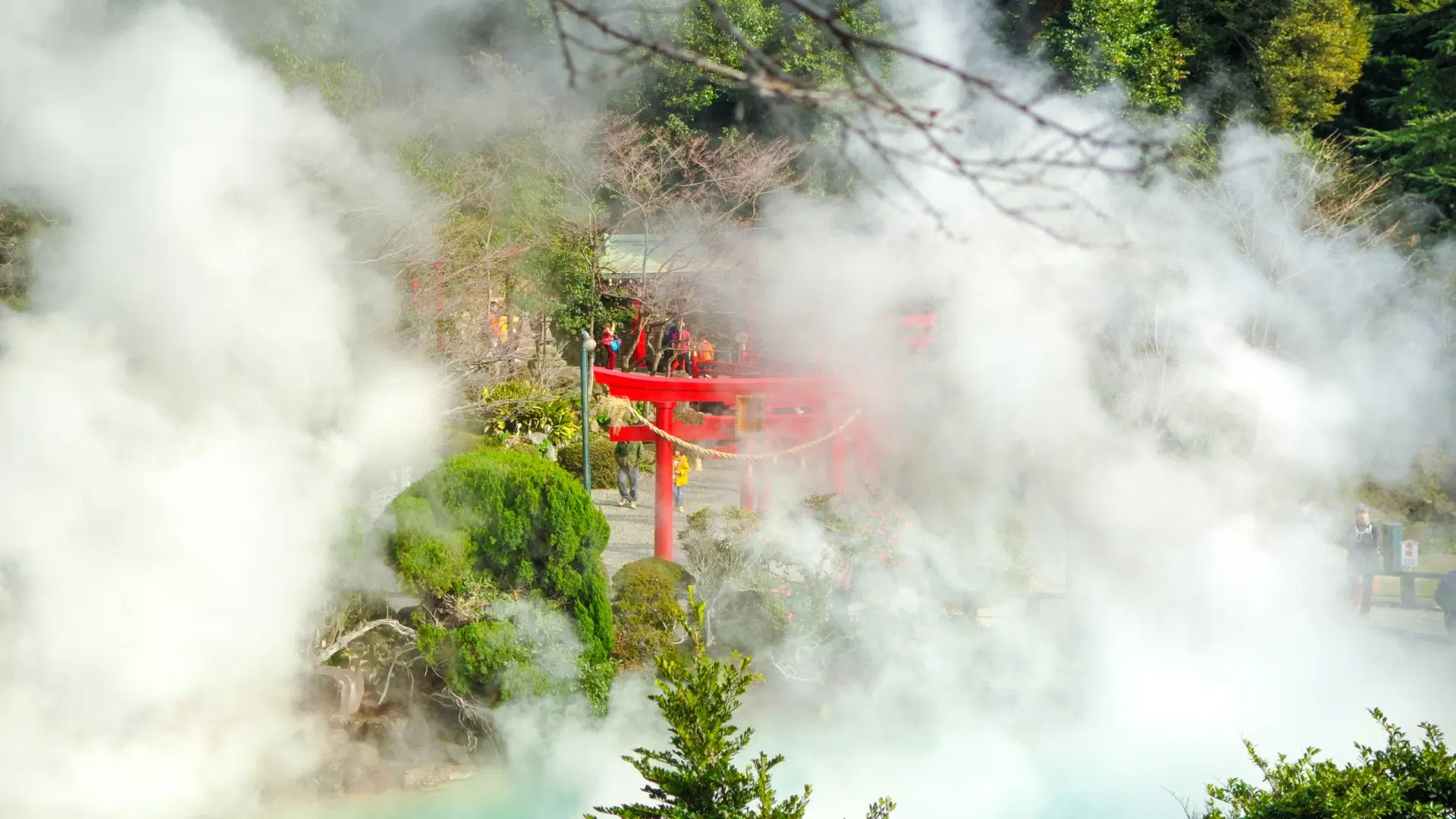
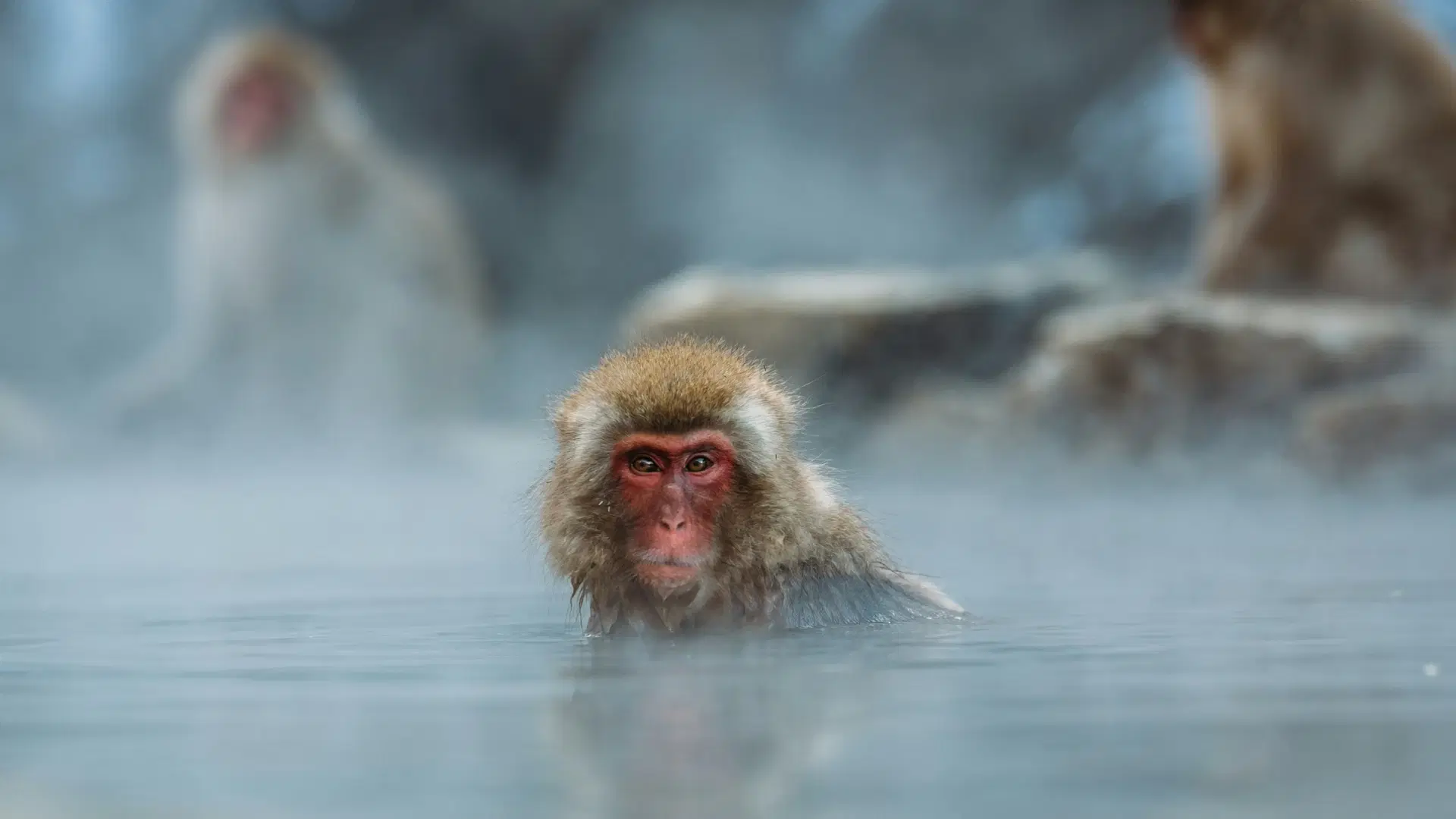
The communal onsen is one area where the solo traveler has an unambiguous advantage. You are free to soak for as long as you wish, to move between the indoor and outdoor baths at your own rhythm. Early morning and late evening are the optimal times: the baths are often empty between ten at night and seven in the morning. A pre-dawn bath, when the rotenburo is shrouded in steam and the sky is just beginning to lighten, is one of the great solitary pleasures of Japanese travel.
The solo kaiseki is not a diminished version of the shared meal; it is a different experience entirely, more meditative, more focused, more intimate with the food itself.
The Ryokan Guide Editorial
Best Regions for Solo Ryokan Travel
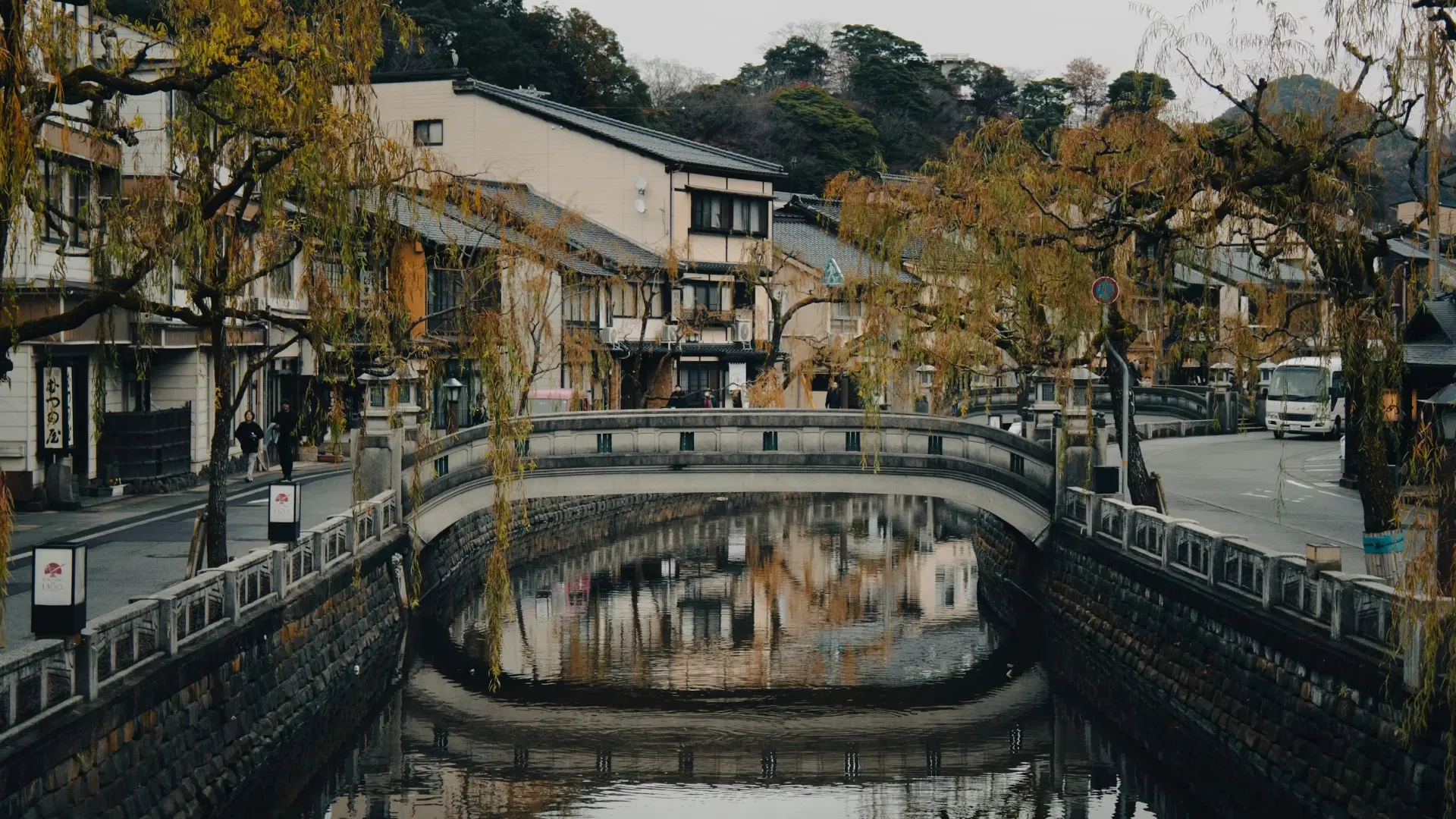
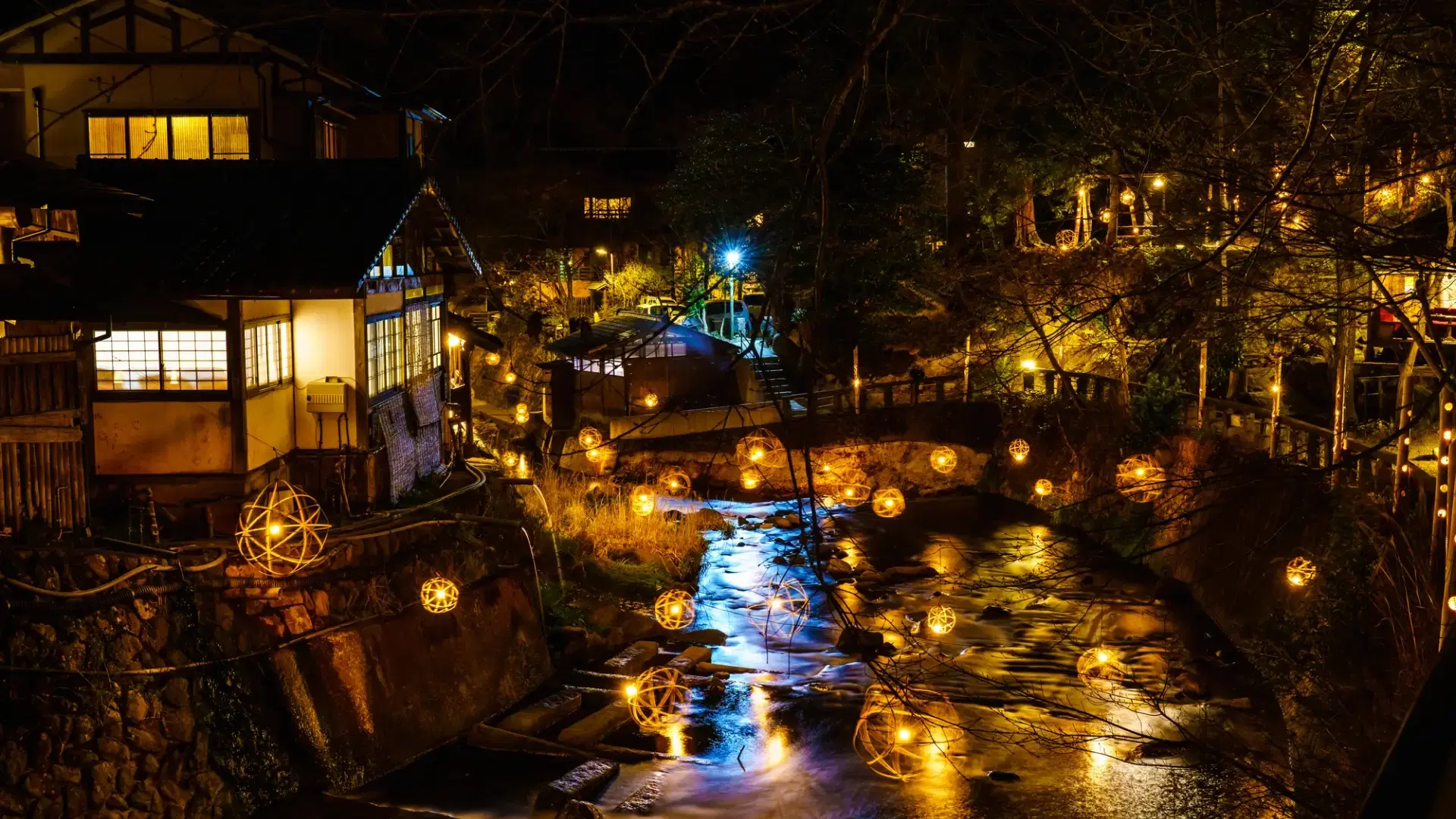
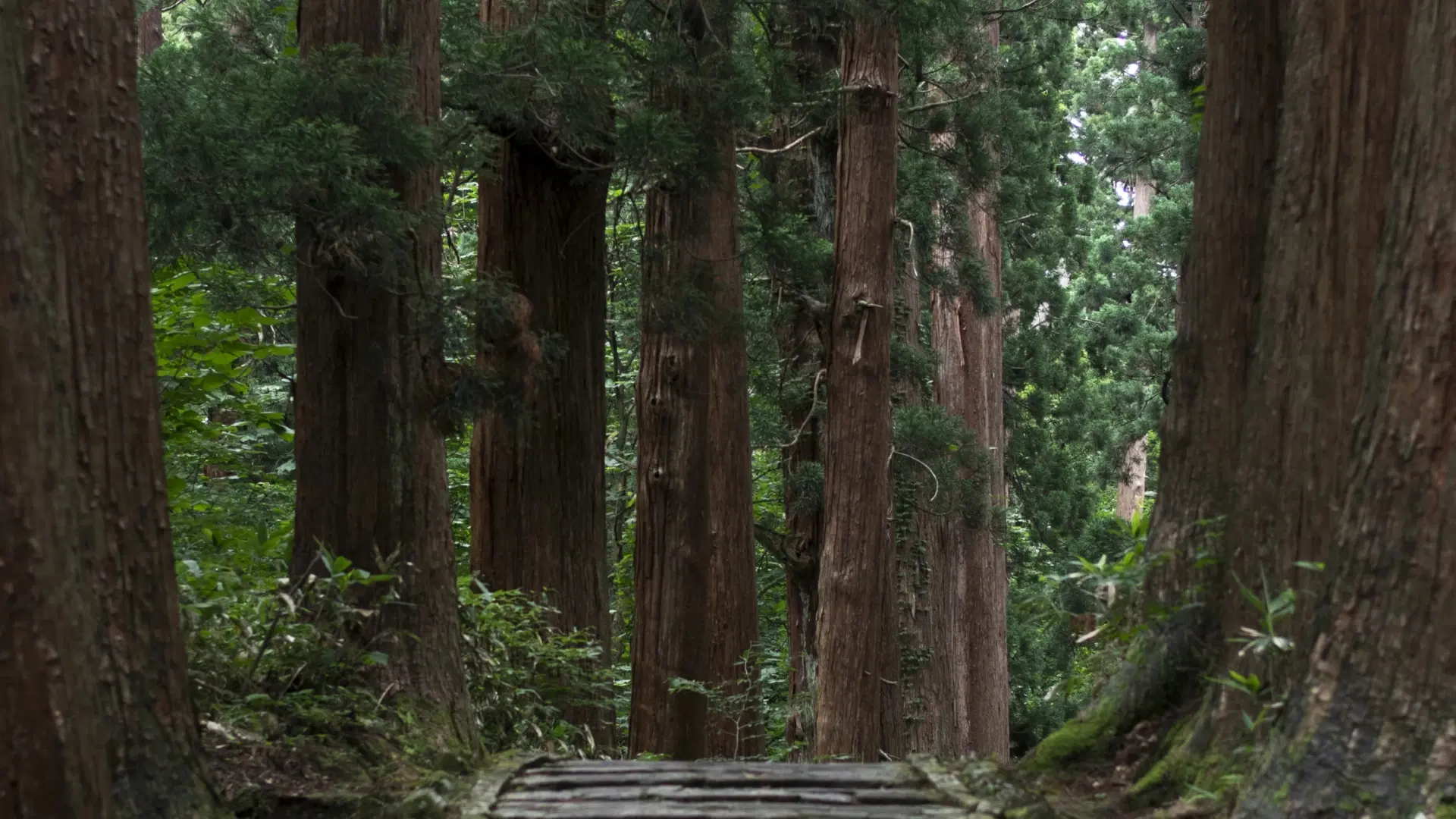
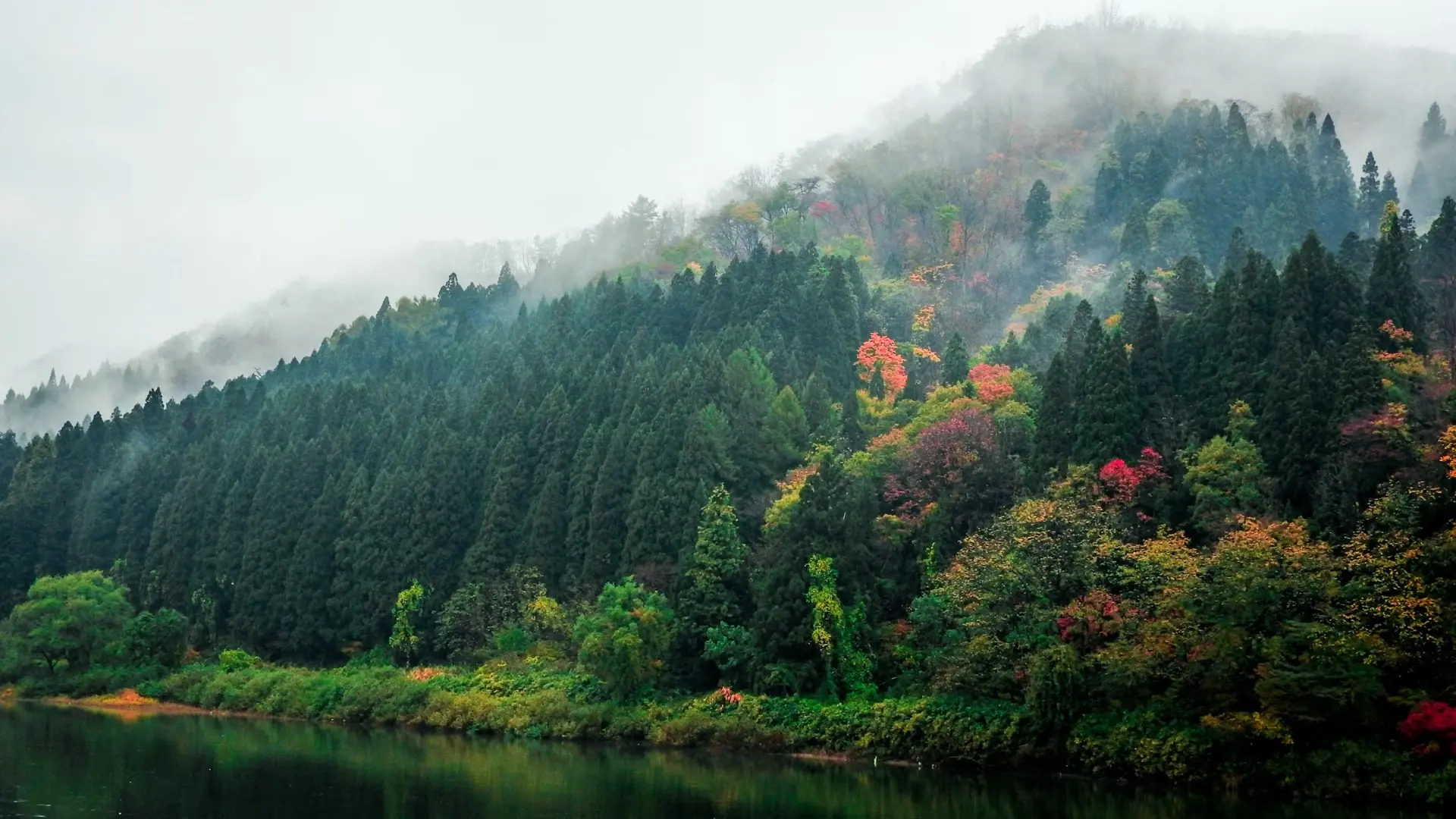
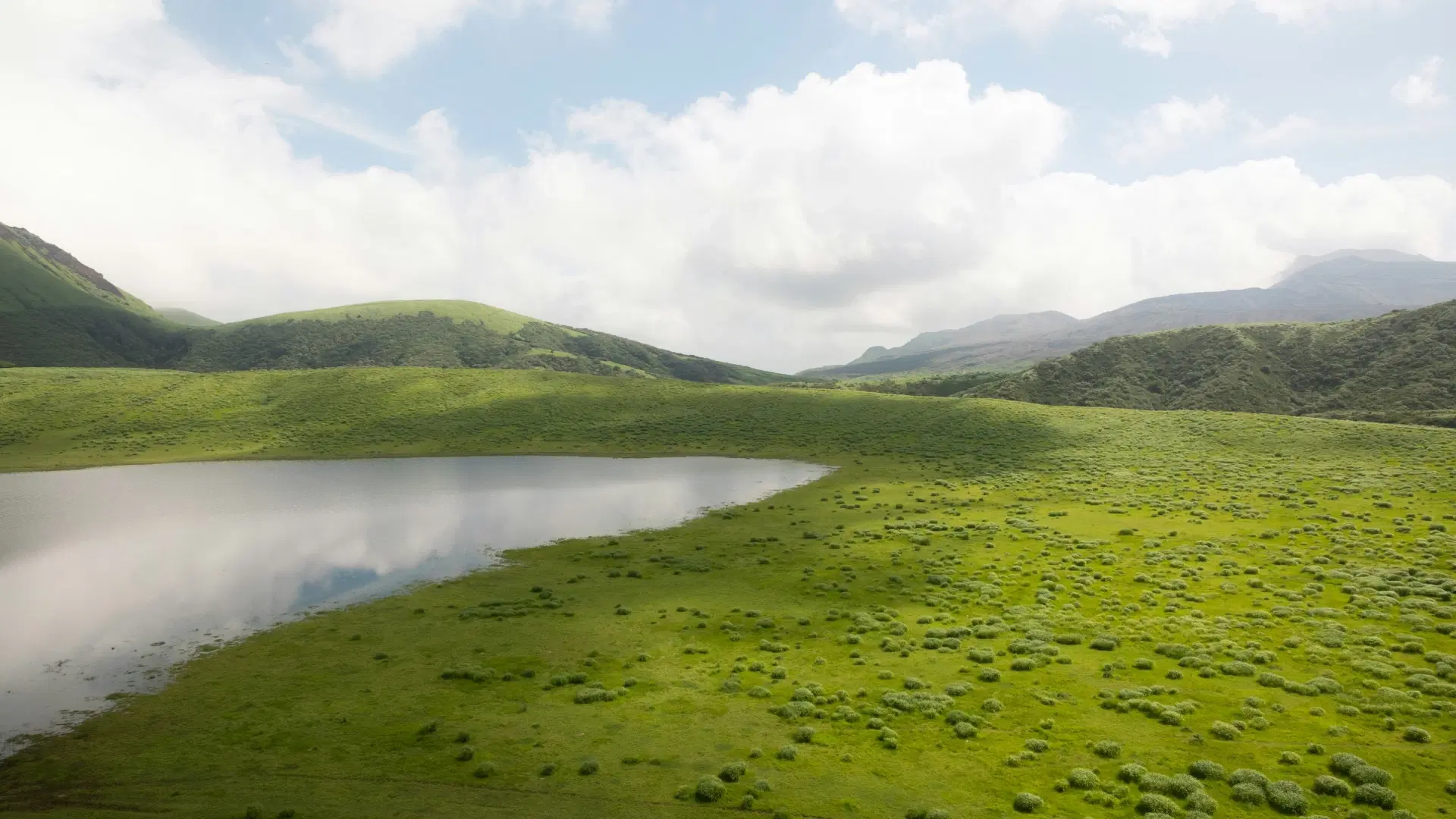
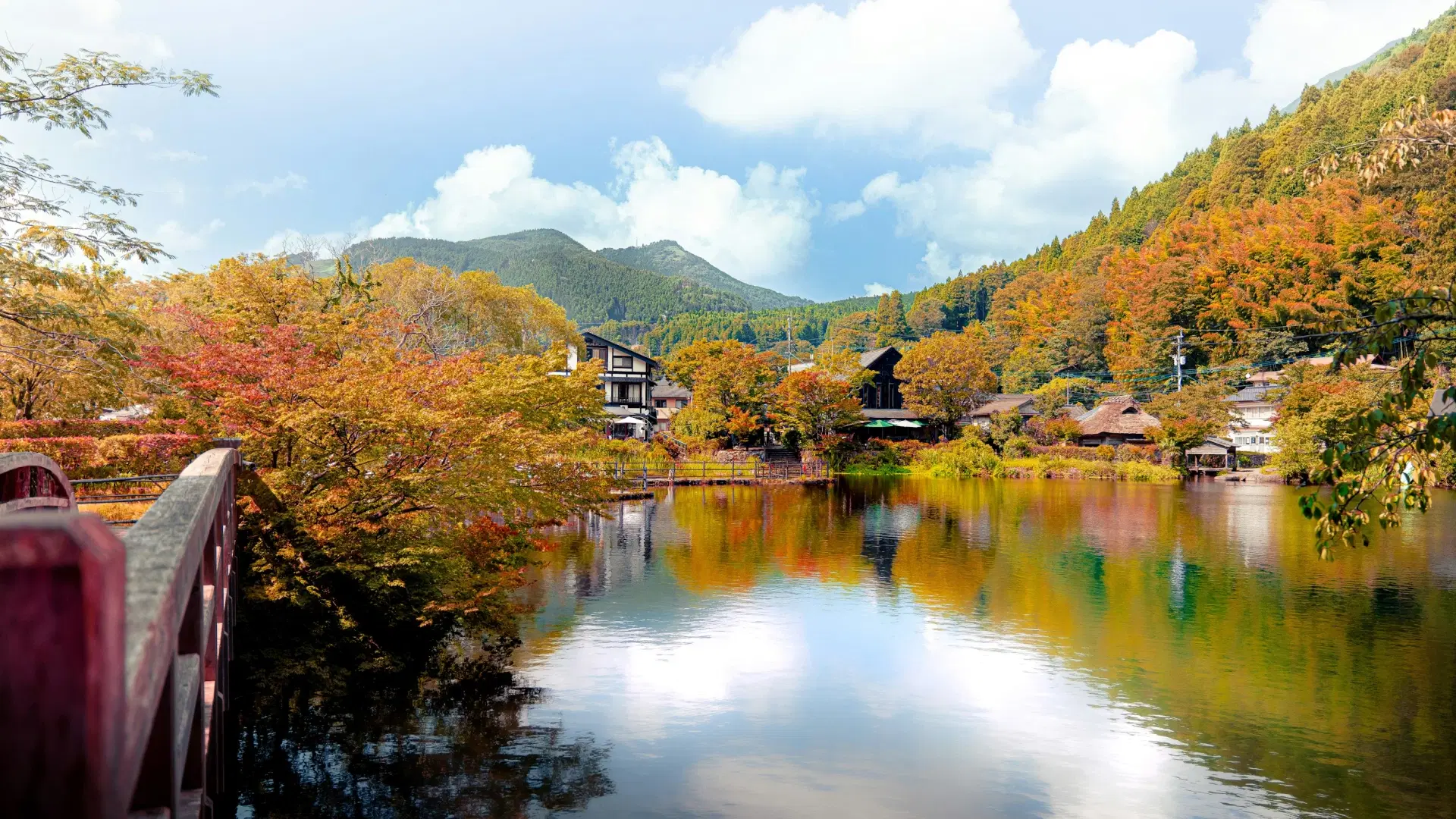
The Tohoku region is a solo traveler's paradise: vast landscapes, traditional ryokans, and an unhurried pace. Kyushu's onsen districts are equally rewarding, from the forest-path ryokans of Kurokawa to the staggering variety of Beppu. The Japan Alps region offers a different rhythm, combining mountain hiking with evening rest at a mountain onsen inn.
Practical Tips for the Solo Stay
Pack light and use takkyubin luggage forwarding. Bring a book for the precious hours between the afternoon bath and dinner. Learn a few Japanese phrases. And keep a journal: the solo ryokan experience, with its long stretches of silence and its parade of sensory impressions, is unusually conducive to reflection.
The futon is laid for one. The garden is yours to contemplate. The bath awaits. There is nothing to explain, nothing to negotiate, and nothing between you and the quiet perfection of the evening.
The Ryokan Guide Editorial