Shojin Ryori: Temple Vegetarian Cuisine
The Buddhist culinary tradition that proves restraint can be the most profound form of abundance
Shojin ryori begins with refusal. No meat. No fish. No eggs. No dairy. No garlic, no onion, no scallion, no leek, no chive. But this would be a fundamental misunderstanding of the cuisine. Shojin ryori is not a cuisine of deprivation. It is a cuisine of attention, a tradition that proves, with quiet authority, that when you remove distraction, what remains is not emptiness but clarity.
The name itself reveals the philosophy. Shojin means "devotion" or "advancement of the spirit." Together with ryori, it describes food prepared as a form of spiritual practice.
The Ingredients of Restraint
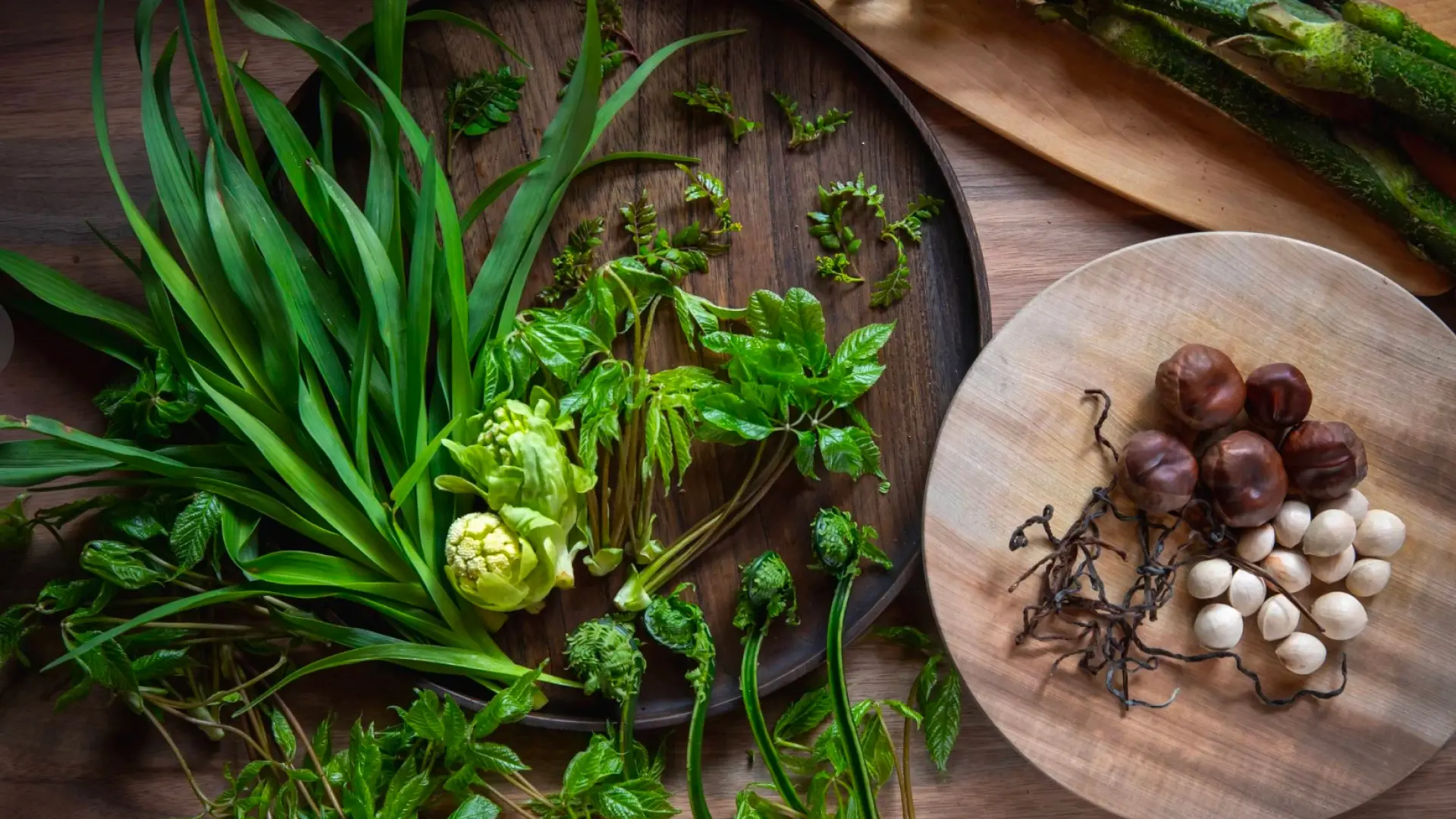
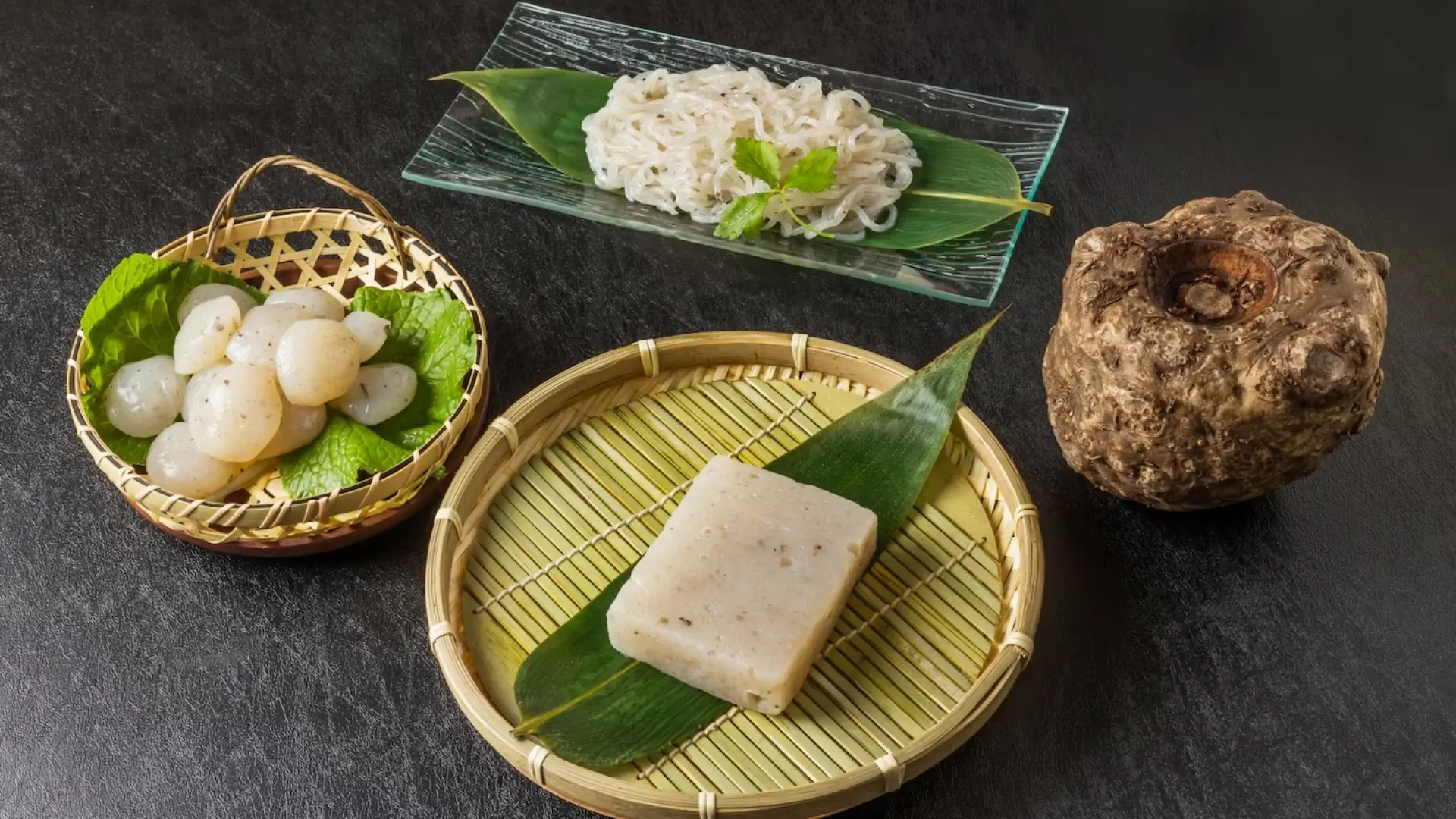
Soy products form the protein backbone: tofu in myriad forms, from silken to freeze-dried koya-dofu to yuba sheets. Fu, or wheat gluten, provides satisfying chewiness. Vegetables, mountain plants, and foraged sansai keep the cuisine dynamic throughout the year. Konbu dashi replaces the bonito-based stock of conventional Japanese cooking, offering a clean, mineral-rich foundation.
Traditional shojin ryori excludes not only meat, fish, and dairy but also the five pungent roots (goshin): garlic, onion, scallion, leek, and chive. These were believed to inflame the passions and disturb meditation.
The Philosophy of the Plate
Shojin ryori follows a structural principle known as go-mi, go-ho, go-shiki: five flavors (sweet, sour, salty, bitter, umami), five methods (raw, simmered, grilled, steamed, fried), and five colors (white, black, red, yellow, green). This framework ensures completeness even within restriction.
A shojin cook who achieves all five flavors, all five methods, and all five colors within a single meal has created something that lacks nothing, despite the apparent austerity of the ingredient list.
The Ryokan Guide Editorial
The Experience at a Temple
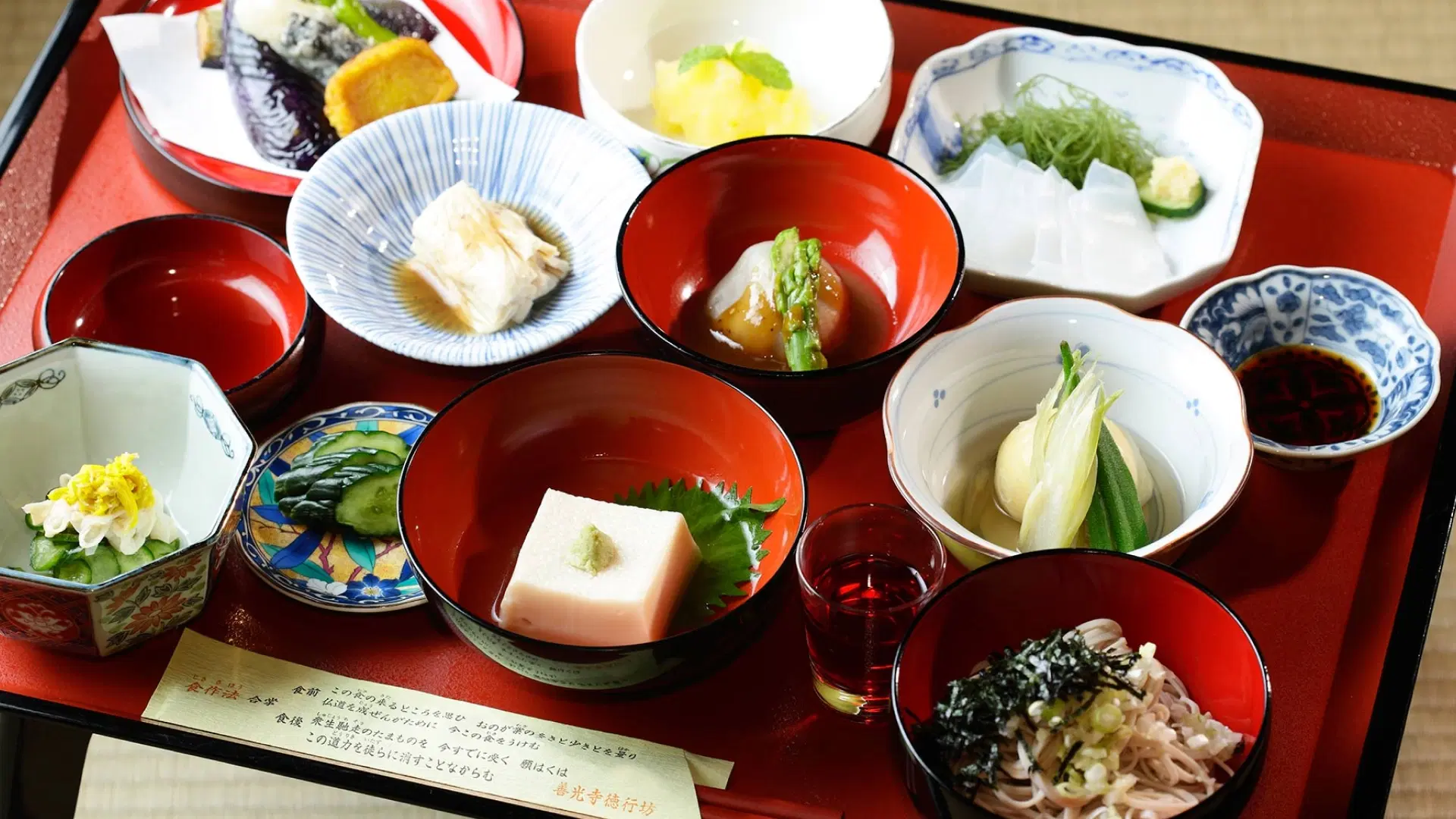
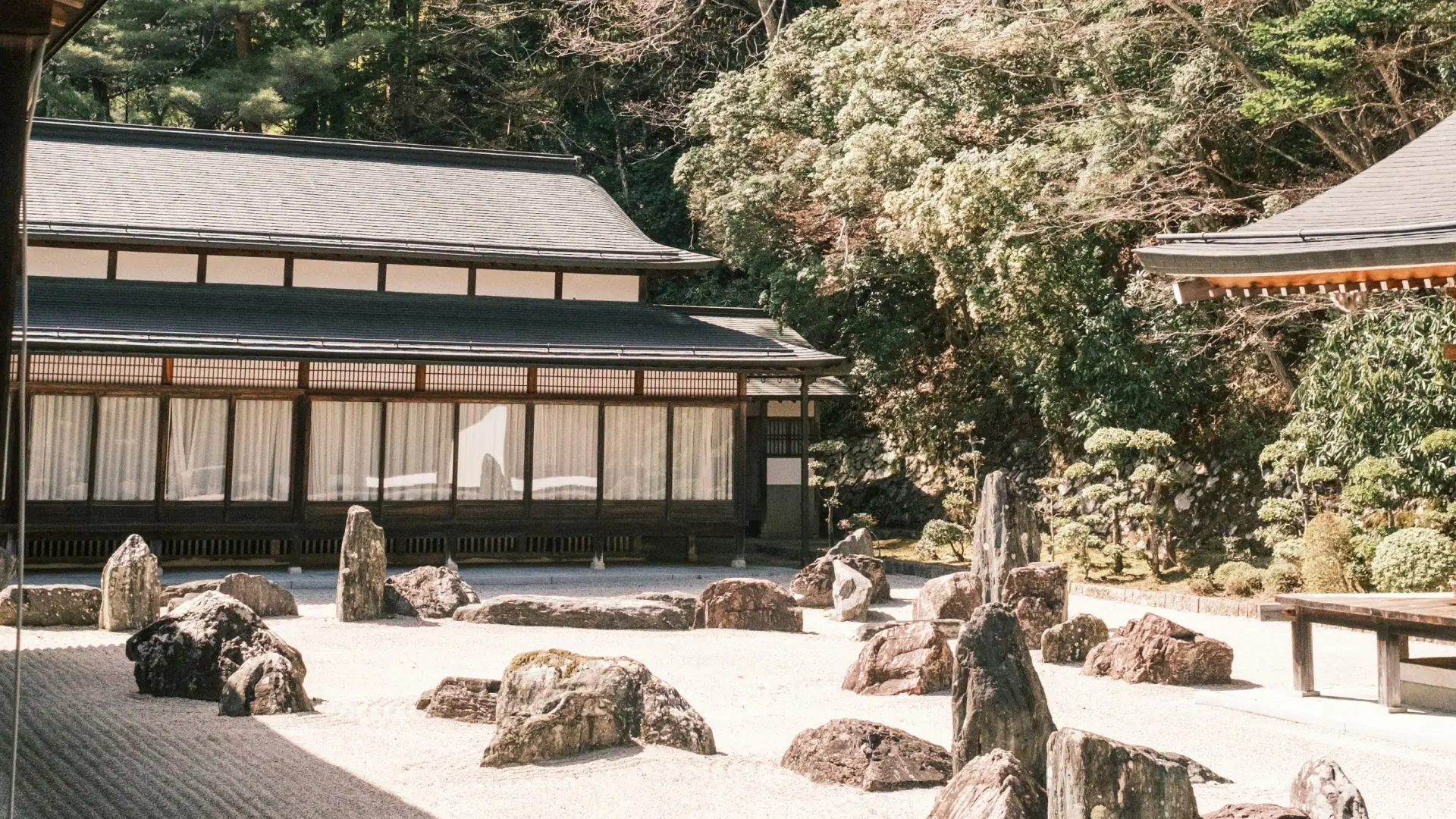
The most authentic way to experience shojin ryori is at a shukubo on Mount Koya. The evening meal is presented on a low lacquered tray: sesame tofu, simmered vegetables in konbu dashi, tempura of mountain vegetables, pickles, rice, and miso soup. The atmosphere is inseparable from the food. The silence is deep. Each flavor registers more clearly because there is less competing for attention.
Shojin Ryori at the Ryokan
Some ryokans now offer shojin ryori as an alternative to standard kaiseki, particularly in regions with strong Buddhist traditions. For vegetarian and vegan travelers, these properties represent the most comfortable way to experience traditional Japanese inn hospitality without compromising dietary principles.
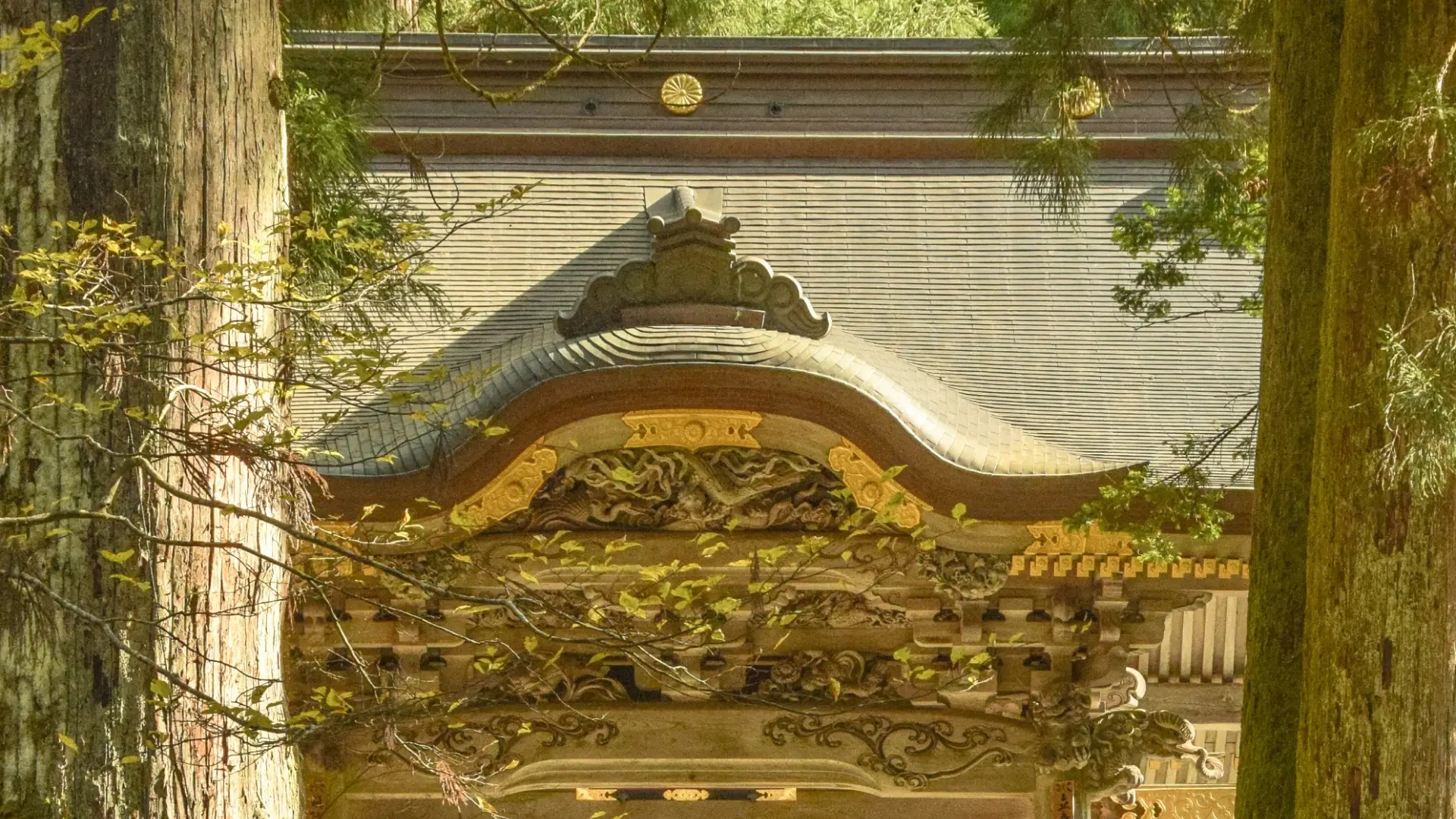
Mount Koya in Wakayama Prefecture is home to more than fifty temple lodgings (shukubo) serving traditional shojin ryori. It is the single best destination in Japan for experiencing temple cuisine in its original context, with morning prayer services and meditation alongside the meals.



In a world of relentless stimulation and endless choice, shojin ryori offers a counter-proposal: that less, prepared with devotion and received with attention, can be the most profound form of more.
The Ryokan Guide Editorial