Kakunodate Cherry Blossom Festival
角館桜まつりThe cherry blossoms of Kakunodate are not merely beautiful; they are historical. The weeping shidarezakura that arch over the samurai district's darkened walls were brought from Kyoto more than three hundred years ago by the daughters of noble families who married into the Satake clan's retainer households. These trees, descendants of the capital's most celebrated varieties, were planted as tokens of the refinement the brides carried with them into the northern frontier, and they have been tended across generations with a devotion that has produced specimens of extraordinary age and grandeur. More than 160 of the district's shidarezakura are designated Natural Monuments, a recognition of their botanical and cultural significance.
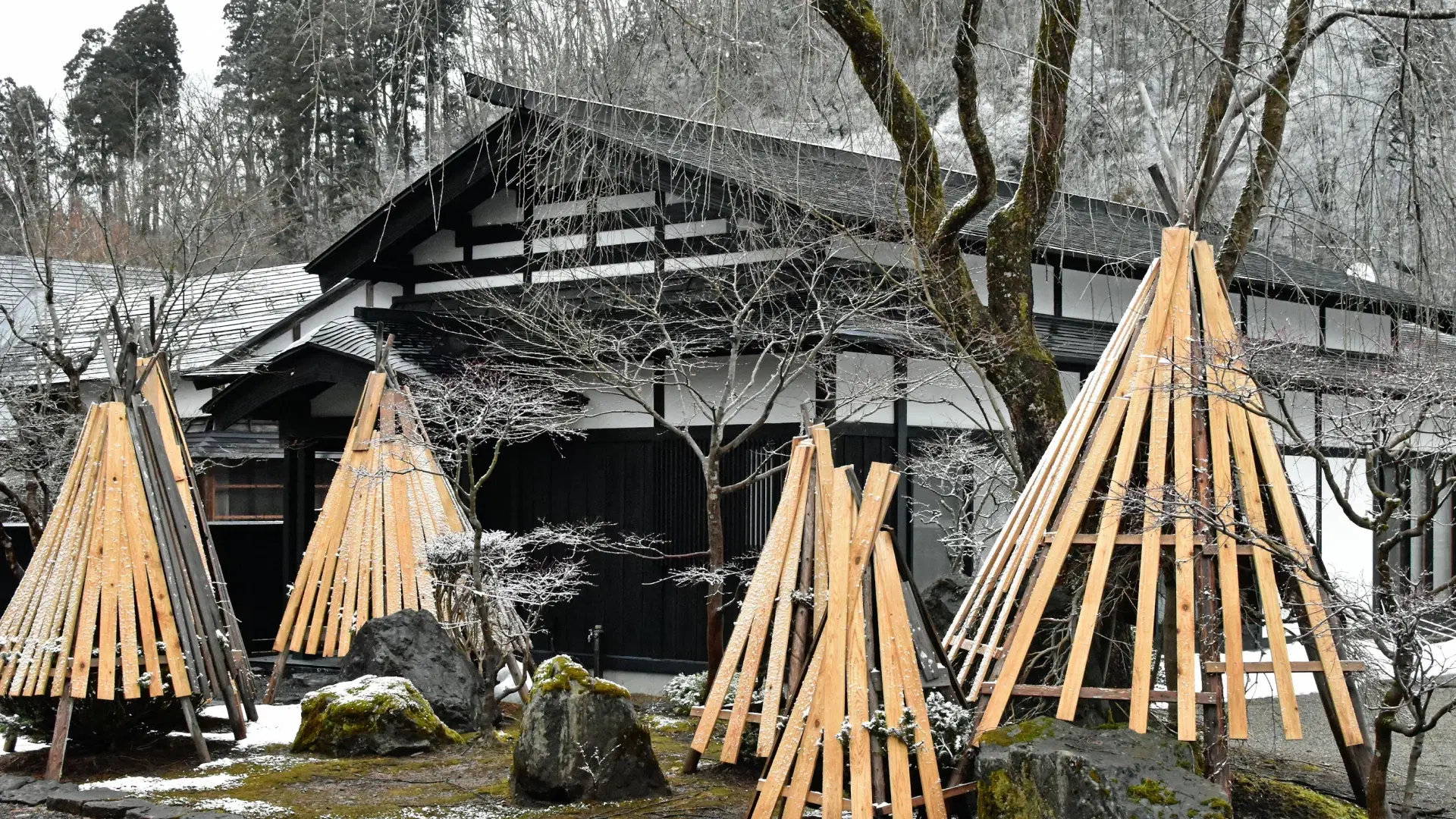
The festival period, typically spanning the last week of April through the first days of May, brings two distinct but complementary experiences. The samurai district's weeping cherries, cascading over black timber fences and moss-covered stone walls, create an atmosphere of aristocratic melancholy, their pale pink curtains softening the austere architecture and producing compositions that have been painted, photographed, and committed to memory by millions of visitors. Simultaneously, the Hinokinai River embankment explodes with approximately two kilometers of somei-yoshino, the common cherry whose dense white-to-pink blossoms form a continuous canopy over the walking path along the water.
The convergence of these two cherry experiences, one intimate and historically layered, the other expansive and communally joyous, makes Kakunodate one of the premier hanami destinations in all of Japan. The northern latitude delays the bloom by several weeks compared to Tokyo and Kyoto, extending the national cherry season and offering travelers who missed the southern blossoms a second chance in a setting that many consider superior.
The cherry blossoms of Kakunodate are not merely beautiful; they are historical.
History & Significance
The planting of Kyoto's shidarezakura in Kakunodate's samurai district began in the mid-seventeenth century, during the early years of the Edo period, when the social order of the castle town was being established. The trees served multiple purposes: aesthetic enhancement of the warrior residences, a living connection to the cultural capital from which the brides had come, and a demonstration of the permanence and refinement of the households that planted them. As the trees matured and their canopies spread, they became inseparable from the identity of the samurai district itself, their seasonal transformation from bare branches to full bloom to falling petals marking the passage of time in a community that measured its continuity in generations.
The Hinokinai River embankment's somei-yoshino were planted later, in 1934, as a civic beautification project that democratized the cherry experience beyond the samurai quarter's walls. The contrast between the two plantings, aristocratic weeping cherries behind private walls and public cherry tunnels along the river, mirrors Kakunodate's broader social history and gives the festival its distinctive dual character. The formal designation of the festival and the protection of the trees as cultural properties in the postwar period ensured the continuation of both traditions.
What to Expect
The samurai district is best experienced in the early morning or late evening, when the tour groups have thinned and the light emphasizes the interplay of blossom, timber, and shadow. The weeping cherries of the Aoyagi and Ishiguro residences are the most photographed, their cascading branches creating curtains of pink against the dark wooden fences, but the entire length of Uchimachi street rewards slow walking. When the blossoms are at peak, petals fall continuously, accumulating on the packed-earth paths and drifting into the streams that run along the street's edges, an effect that the Japanese aesthetic tradition names hanafubuki, cherry blossom blizzard.
The Hinokinai River embankment offers a different energy entirely. Families spread tarps beneath the trees for picnic hanami, food stalls sell yakitori, oden, and local specialties, and the atmosphere is festive in the uncomplicated way that cherry blossom season permits everywhere in Japan. The trees are at their most dramatic when viewed from the opposite bank of the river, where the full length of the canopy can be appreciated as a continuous line of color reflected in the water below.
Evening illumination of both the samurai district and the riverbank extends the viewing hours and transforms the experience. The lit blossoms against the dark sky, with the lanterns of the samurai residences providing secondary light sources, create a yozakura, night cherry viewing, experience that rivals Kyoto's most celebrated sites.