Tazawako
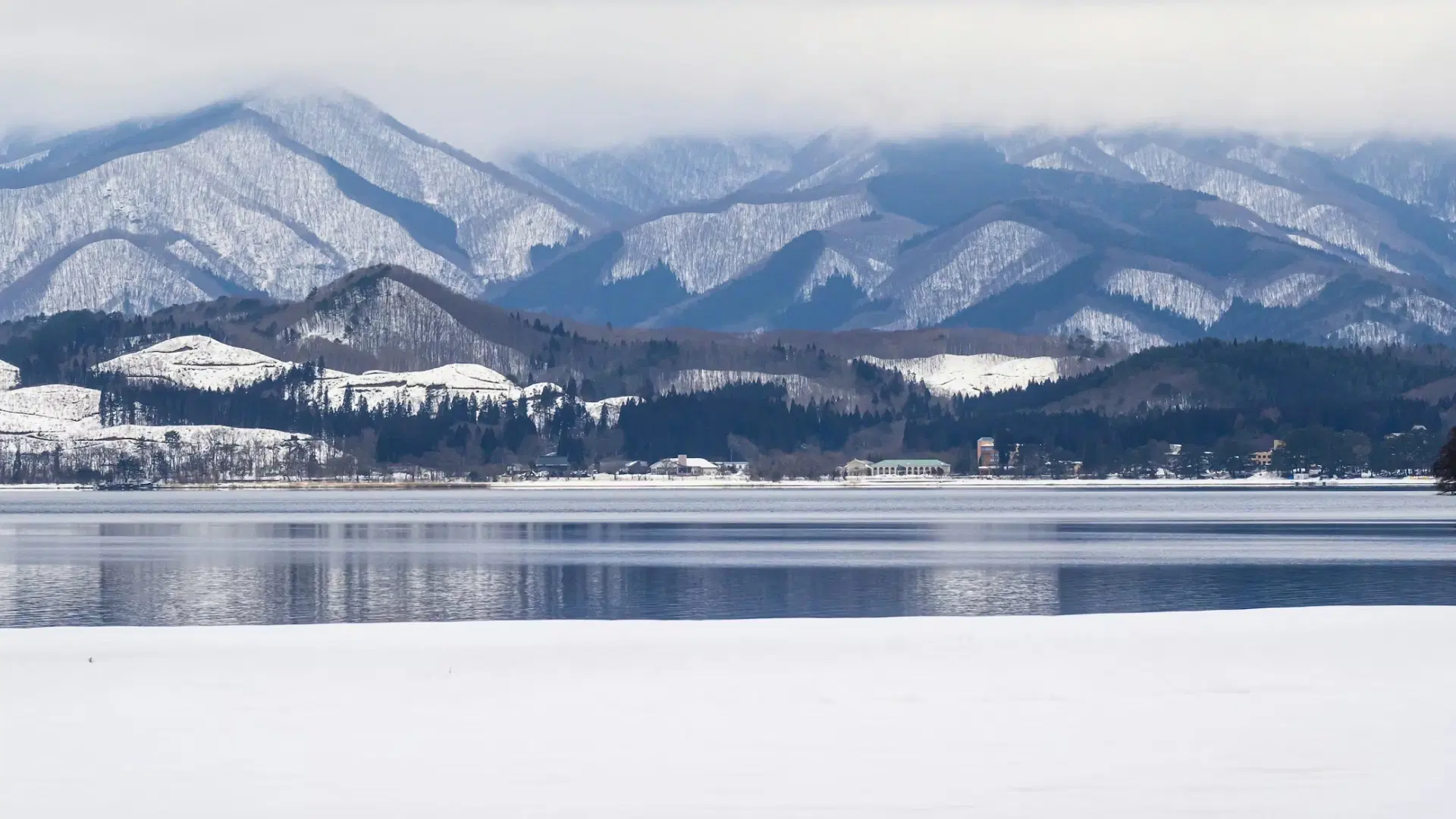
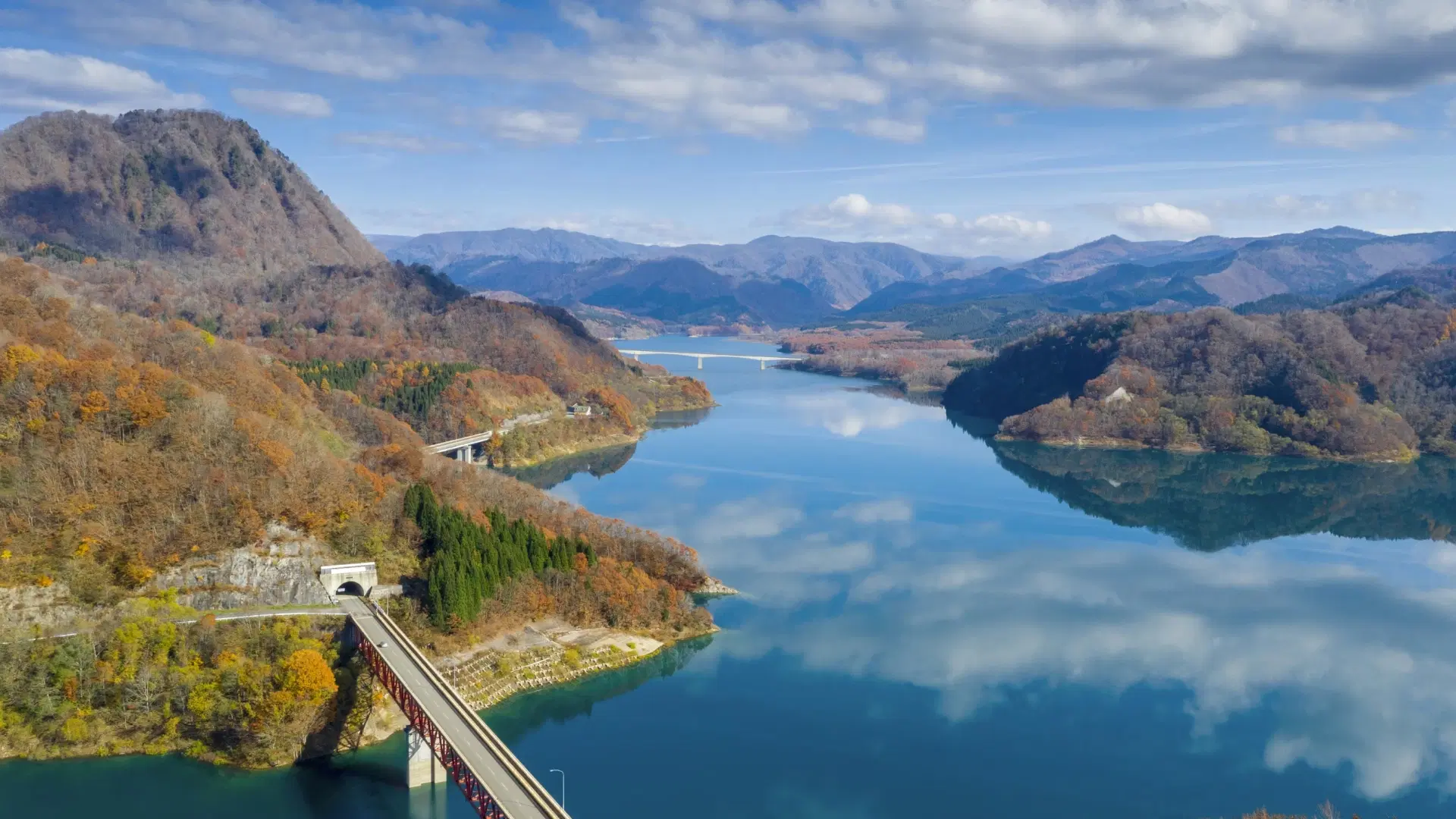
田沢湖Lake Tazawa is Japan's deepest lake, its floor plunging 423 meters below a surface that shifts between cobalt blue and emerald green depending on the angle of light and season. Set in a volcanic caldera in the mountainous interior of Akita, the lake occupies a landscape that feels primordial, its forested shores and the peaks of the Ou Mountains rising around it creating an enclosure that separates the visitor from the rhythms of the lowland world. The water's extraordinary depth means it never freezes, even during Akita's severe winters, and the contrast between the steaming, dark-blue surface and the snow-covered shores is one of the most arresting natural images in the Tohoku region.
The legend of Tatsuko, a young woman of surpassing beauty who was transformed into a dragon and became the lake's guardian spirit, is inseparable from the place itself. Her golden statue stands at the western shore, gazing across the water she is said to inhabit, and the story, which has been told and retold across centuries, infuses the lake with a mythological dimension that enriches the physical experience. This is not merely a body of water; it is a landscape shaped by both geological force and human imagination, a place where natural beauty and narrative tradition reinforce one another.
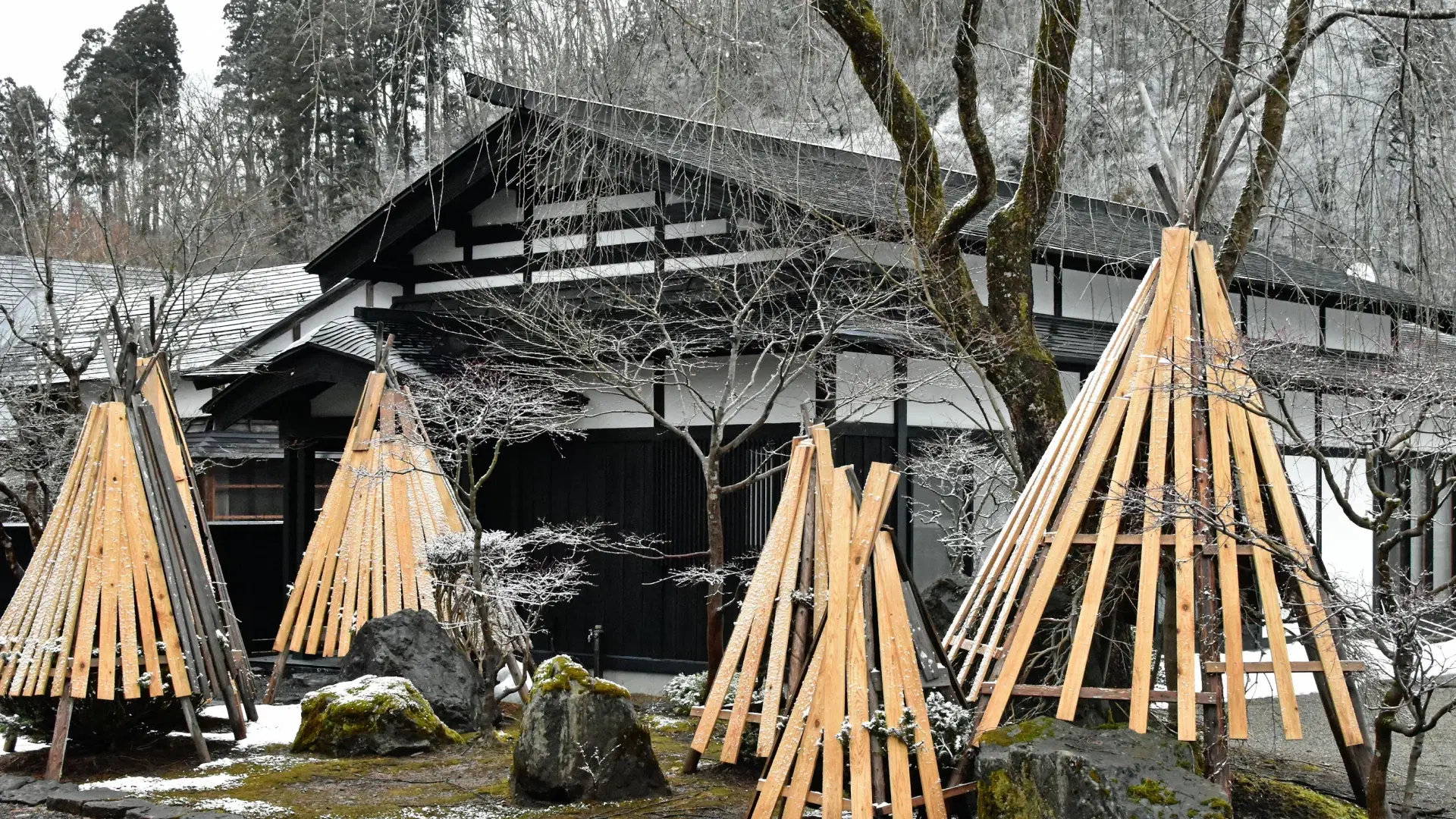
The Tazawako area encompasses more than the lake itself. The surrounding mountains harbor the Nyuto Onsen-kyo, a cluster of seven rustic hot spring inns that represent some of the most atmospheric bathing experiences in Japan. These establishments, accessible by winding mountain roads that disappear under snow for months each year, offer a retreat into a Japan that has largely vanished elsewhere, where the water is drawn directly from the mountainside, the buildings are heated by wood stoves, and the pace of life is governed by the rhythm of bath, meal, and sleep.
Lake Tazawa is Japan's deepest lake, its floor plunging 423 meters below a surface that shifts between cobalt blue and emerald green depending on the angle of light and season.
Highlights
The lake itself rewards circumnavigation, whether by car, bicycle, or the sightseeing boats that operate from spring through autumn. The Tatsuko statue at Gozanoishi Shrine on the western shore provides the iconic vantage point, but the eastern shore, less visited and more densely forested, offers a quieter engagement with the water's remarkable color. The kata, or form, of the lake changes dramatically with the seasons: in summer, the surrounding green intensifies the water's blue; in autumn, the foliage creates a ring of gold and crimson; in winter, the snow simplifies everything to white shore and dark water.
Nyuto Onsen-kyo is the area's other essential experience. Tsurunoyu, the most famous of the seven inns, has operated since the seventeenth century, its milky-white rotenburo set against a backdrop of beech forest and mountain sky. The experience of bathing here in winter, with snow falling into the water and the steam rising into the freezing air, is among the most powerful onsen encounters available in Japan. Kuroyu, Taenoyu, and the other inns of the cluster each offer distinct water qualities and atmospheres, and the onsen-hopping bus that connects them allows visitors to sample several in a single day.
The Dakigaeri Gorge, a thirty-minute drive south of the lake, provides a dramatic hiking experience along a river valley carved through volcanic rock. The gorge's suspension bridges, waterfalls, and blue-green pools are at their most spectacular during autumn, when the foliage along the cliffs creates one of Akita's most photographed landscapes.
Culinary Scene
The cuisine around Tazawako draws from both the mountains and the lake. Iwana, the char that inhabit the cold mountain streams feeding the lake, are grilled whole over charcoal at the ryokans and restaurants of the area, their firm, clean-tasting flesh a perfect expression of the landscape's purity. Mountain vegetables, collectively known as sansai, appear in profusion during spring and early summer: fiddlehead ferns, wild butterbur, and the prized mushrooms that grow in the beech forests above the onsen, prepared simply to preserve their distinctive flavors.
Kiritanpo nabe reaches its most elemental form in the mountain lodges around Tazawako, where the rice is pounded by hand, the chicken is local hinai-jidori, and the vegetables come from the garden or the forest floor. The rustic setting of the onsen inns, with meals served beside the irori hearth in rooms that smell of woodsmoke and cedar, elevates what is already exceptional food into an experience that engages all the senses. The local doburoku, an unfiltered sake with a cloudy, almost porridge-like texture, is brewed in small quantities by several of the inns and pairs with the hearty mountain food in a way that refined sake cannot.
Ryokans in Akita
There are no ryokans in our guide listed in Tazawako. See our selection across Akita.
View ryokans in Akita