Wabi-Sabi: Design, Architecture and Tranquility
How The Ryokan Guide scores the physical environment, from centuries-old timber halls to contemplative gardens
Wabi-sabi is the most frequently invoked and the most commonly misunderstood aesthetic concept in the Japanese tradition. In Western media, it has been reduced to a design trend: rough-hewn ceramics, bare wood surfaces, the deliberate embrace of imperfection as a style choice. But wabi-sabi is not a style. It is a worldview.
Wabi originally meant poverty or loneliness, evolving through the tea ceremony to connote the beauty found in simplicity and rusticity. Sabi refers to the patina of age, the way time marks objects and spaces. Together, wabi-sabi finds beauty not in perfection but in the evidence of time, use, and natural process.
In the architecture of the ryokan, wabi-sabi manifests as an approach to space fundamentally different from the Western luxury hotel tradition. Where a luxury hotel seeks to impress through scale and opulence, the wabi-sabi ryokan seeks to calm through restraint, natural materials, and the careful management of emptiness.
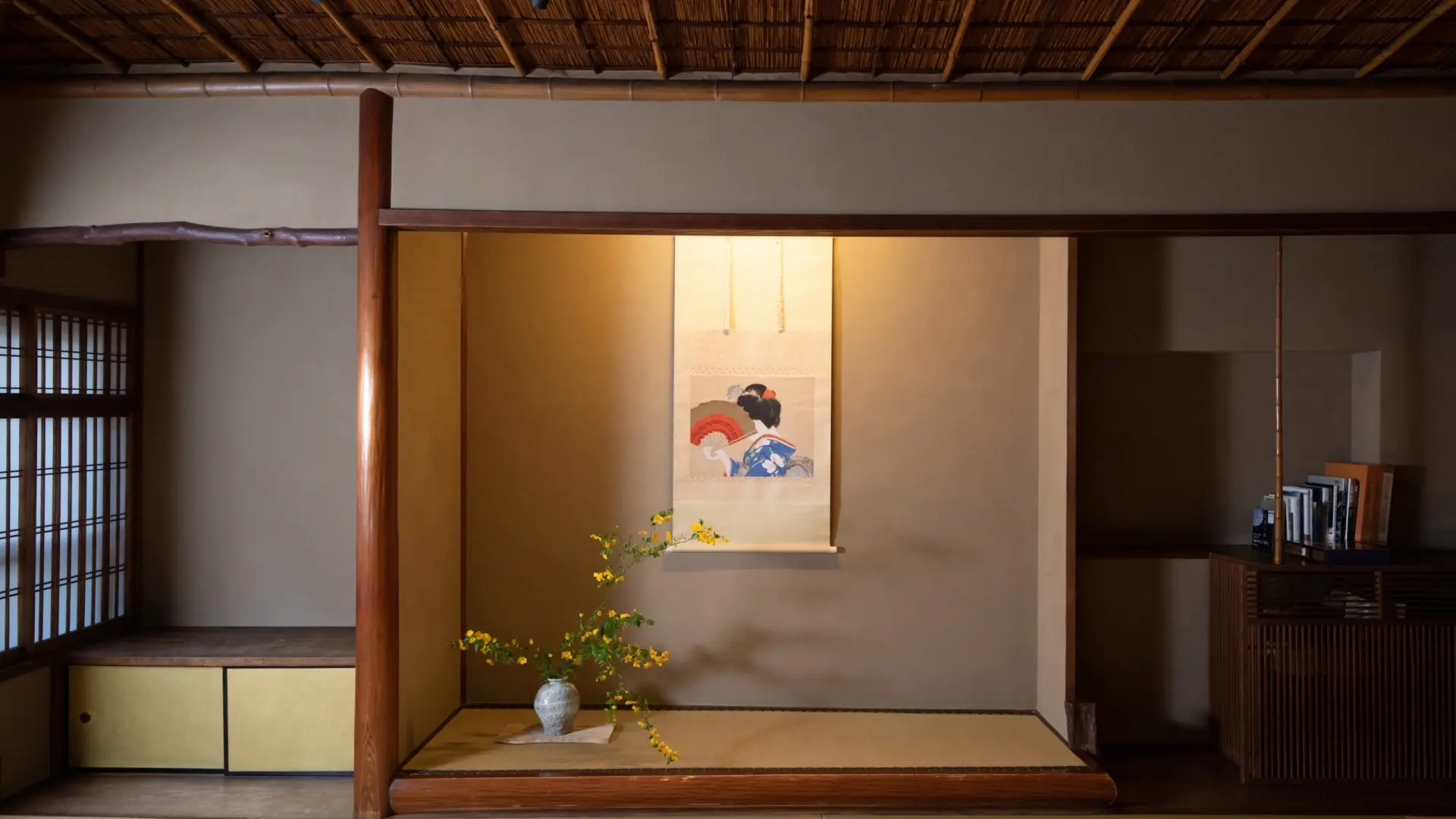
The tokonoma alcove holds, typically, a single scroll, a single flower arrangement, and nothing else. The emptiness around these objects is as intentional as the objects themselves. The tokonoma teaches the eye to rest, to find completeness in sparseness.
The greatest rooms are not the largest or the most lavishly appointed. They are the ones where you exhale, without knowing why, the moment you cross the threshold.
Our evaluators assess wabi-sabi across several dimensions: architectural integrity, materiality, light, the garden, and tranquility. We have deep respect for ryokans that have maintained original structures over centuries, allowing the wood to darken, the stone to moss, the roof to settle. But architectural integrity can also be achieved in newer buildings, provided the design is honest in its materials.
Junichiro Tanizaki's celebrated essay In Praise of Shadows describes the Japanese preference for subdued, filtered, indirect illumination — the kind of light that pools in corners and transforms a simple room into a study in mood.
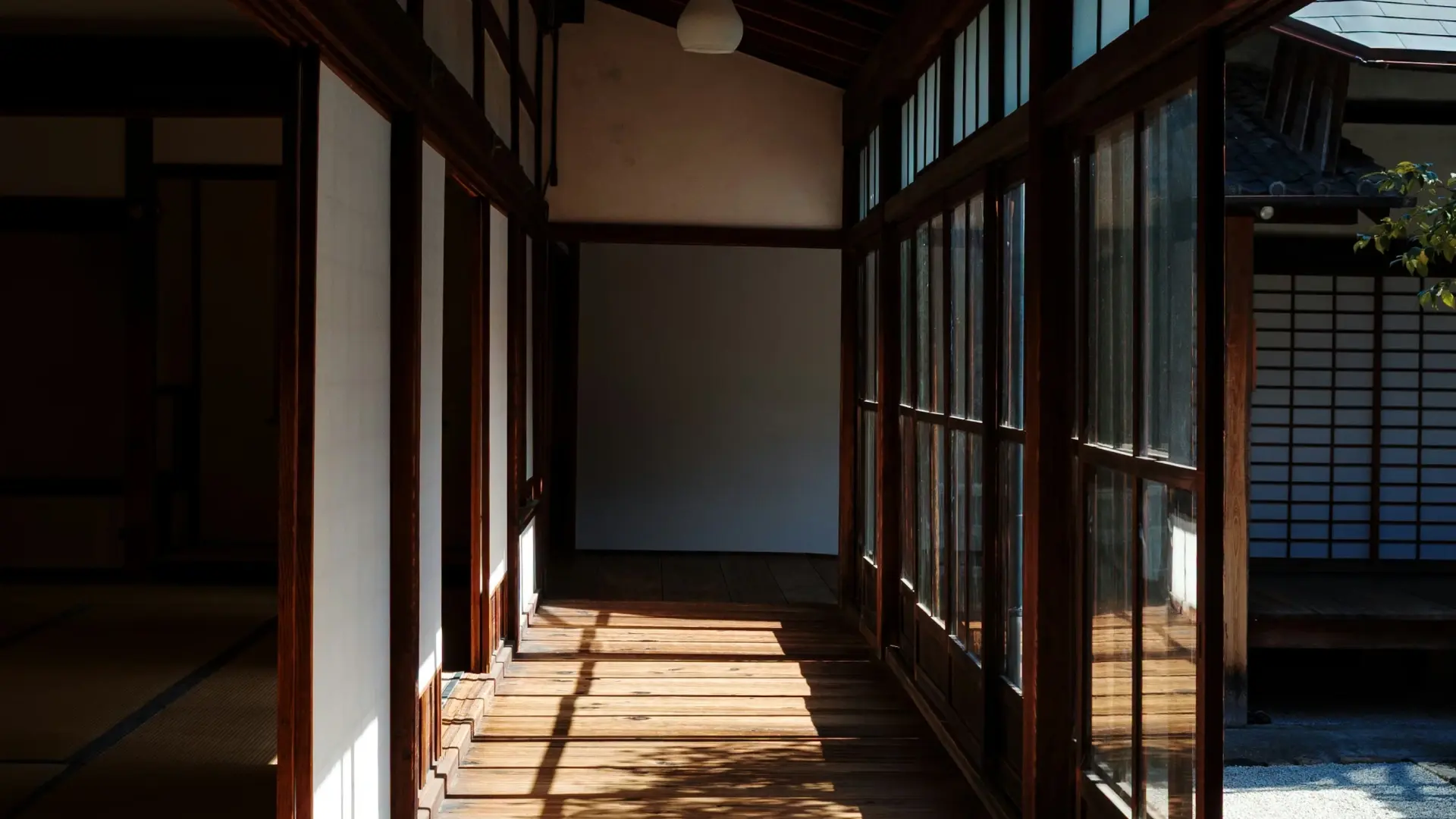
Consider a ryokan that scores at the highest level. You approach along a narrow stone path lined with moss-covered lanterns. The entrance requires a slight bow to enter — a physical gesture of humility. Inside, the corridor is dim, lit by washi paper sconces. The floor is polished wood, darkened by generations of oiled footsteps.
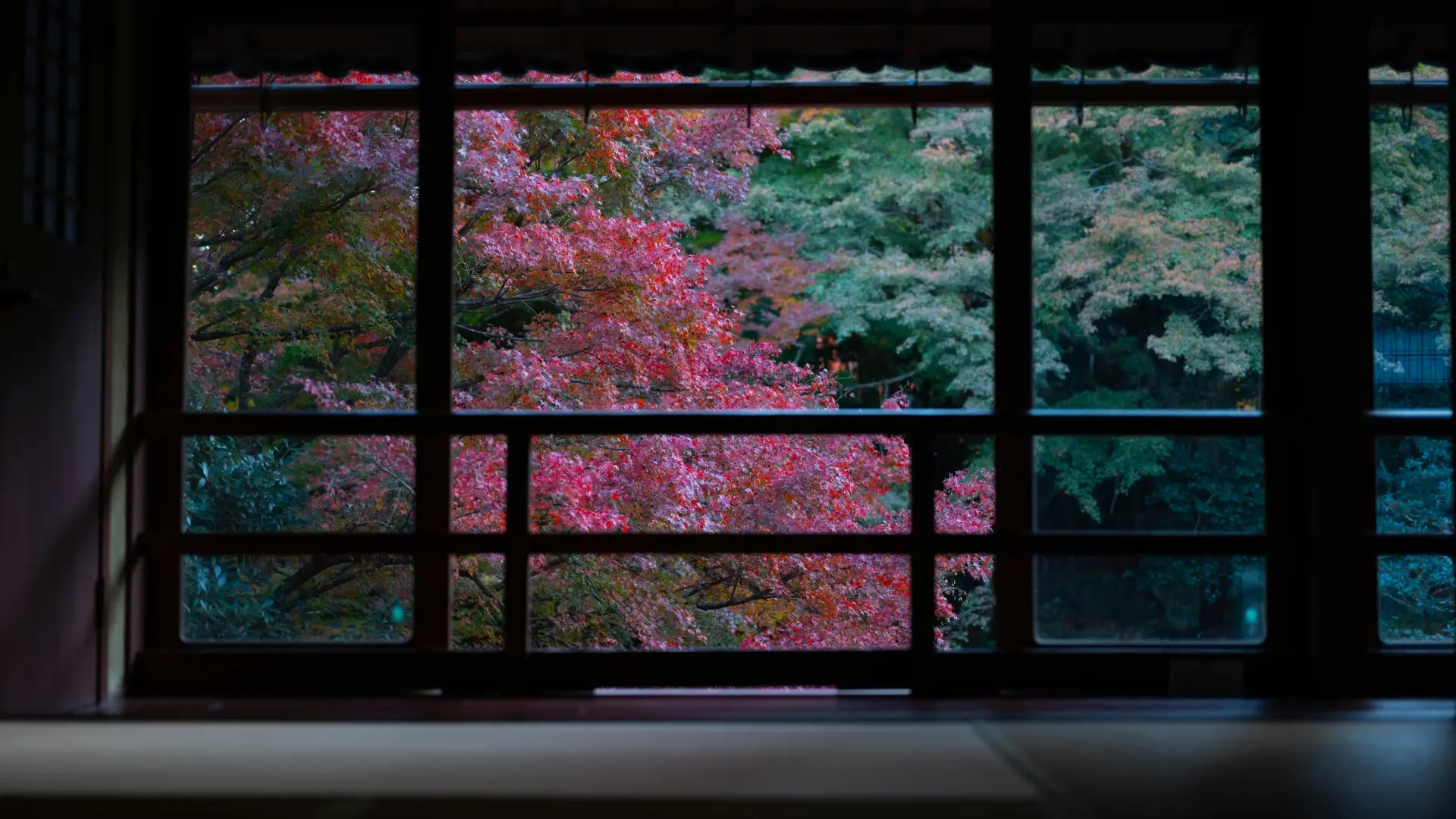
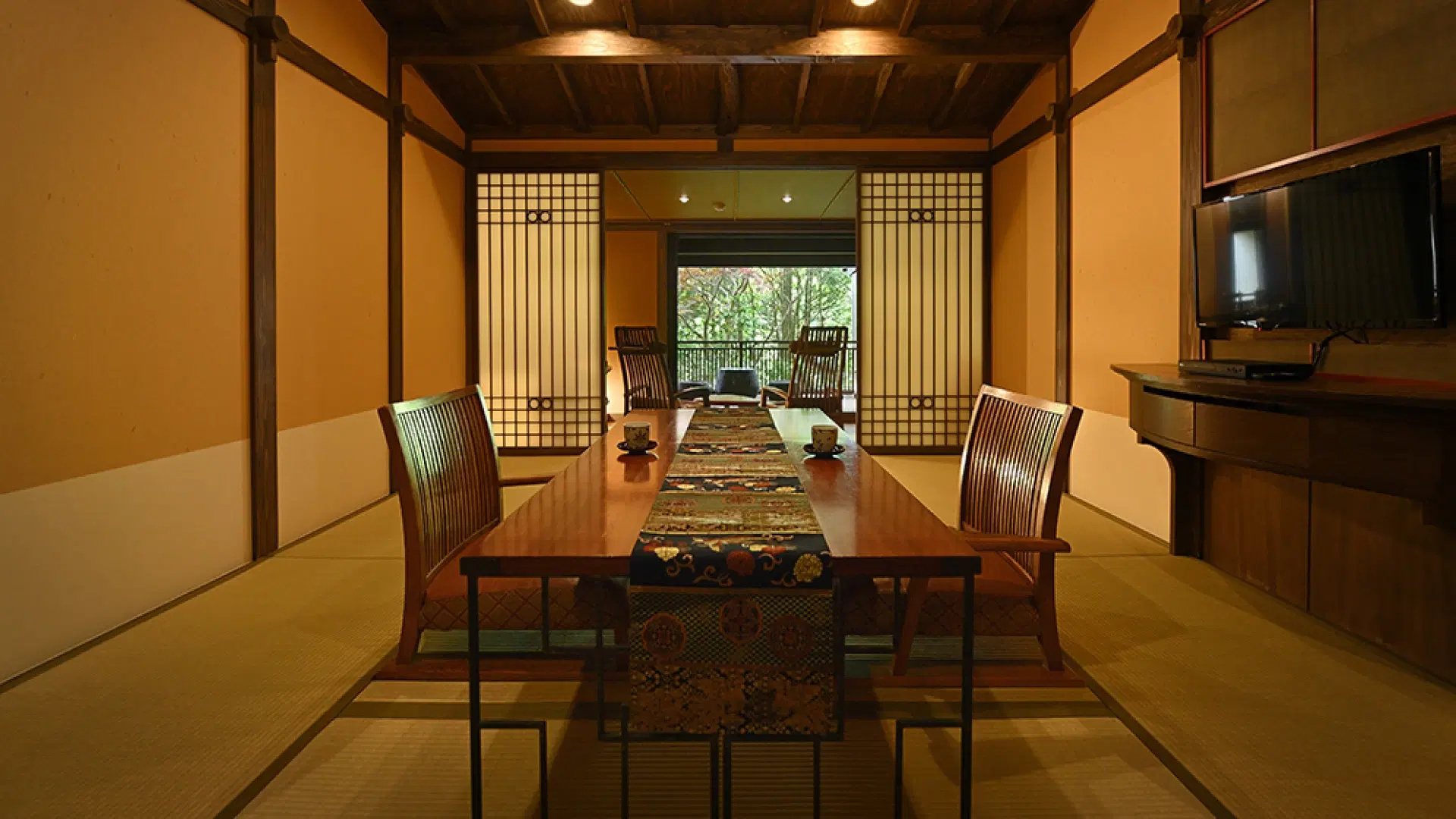
Your room is sparse by any international standard. Tatami mats, a low table, a cushion, the tokonoma. The shoji screens, when slid open, reveal a private garden composed with such precision that it contains, in miniature, a mountain, a stream, a forest.
Many historic ryokans feature *uguisubari* — nightingale floors that creak softly underfoot. Originally designed as a security measure, these engineered floors now serve as a reminder that you are walking through a living building, one shaped by centuries of human presence.
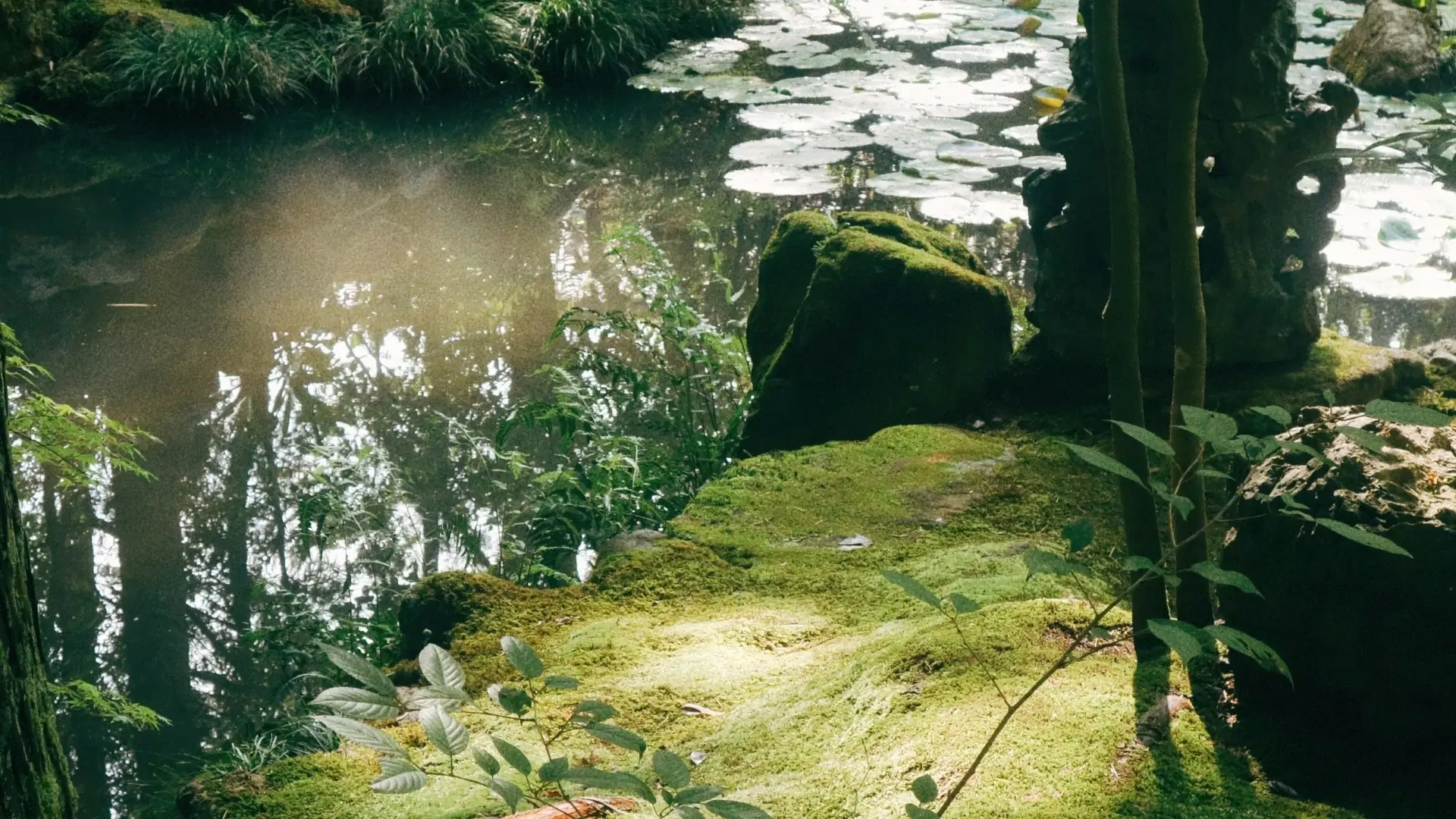
A cracked tea bowl repaired with gold lacquer. A moss-covered stone lantern listing slightly in a garden. The silvered timber of an exposed beam. These are not defects tolerated despite their imperfection — they are beautiful because of it.