Shitsurai: Traditional Amenities and Respect of Culture
How The Ryokan Guide evaluates the preservation of authentic Japanese hospitality customs and material culture
Shitsurai refers to the arrangement and furnishing of a space — the deliberate setting of a room to receive a guest, with attention to both utility and beauty. The word combines shitsu, meaning room or quality, with rai, meaning to come or to arrive, suggesting a space prepared in anticipation of someone's coming.
A ryokan is not simply a hotel with tatami floors. It is an institution that carries within it centuries of refined practice: the way a futon is laid, the way tea is prepared and served, the hierarchy of spaces within a room, the selection and care of textiles, the seasonal rotation of decorative objects.
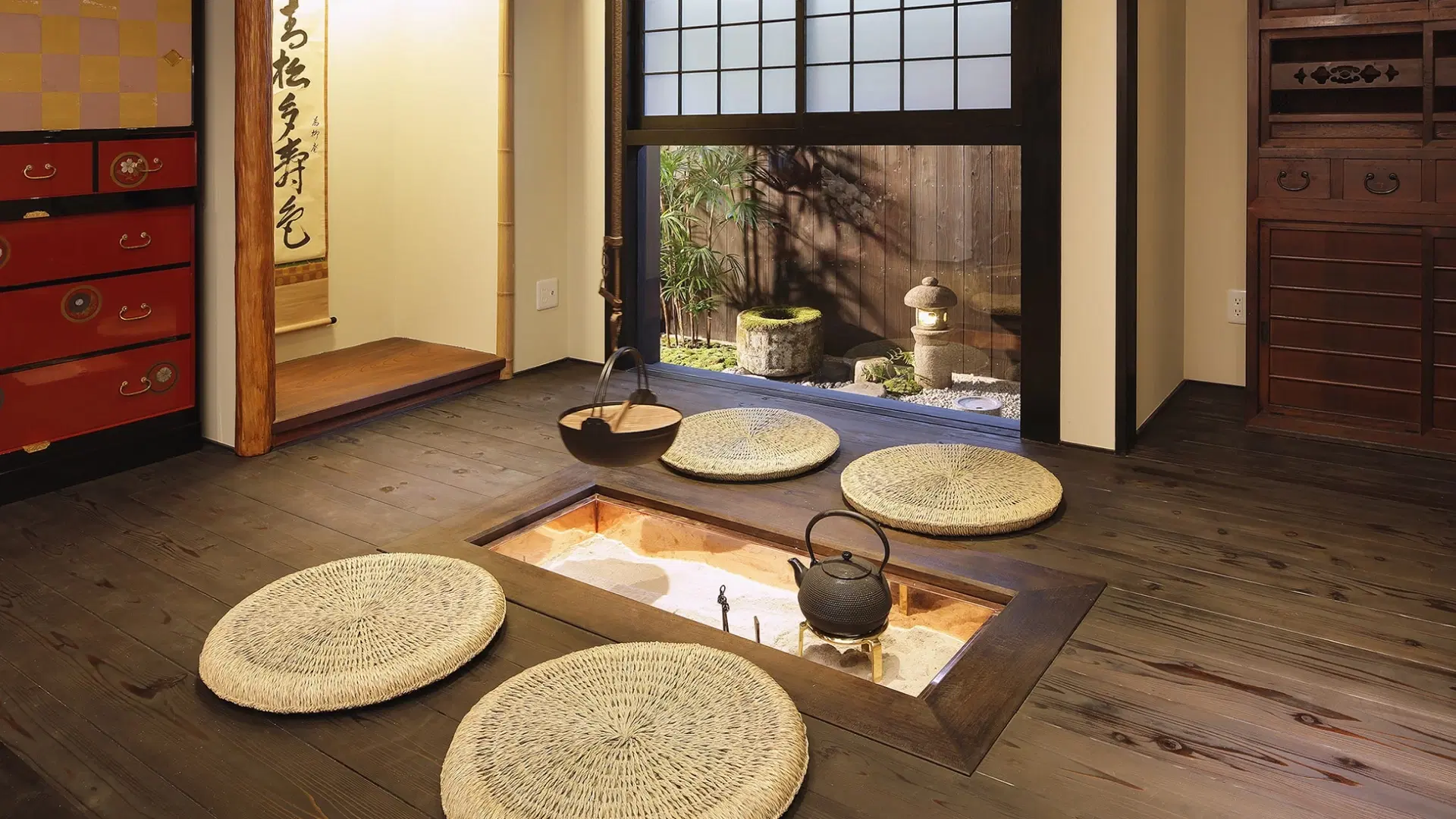
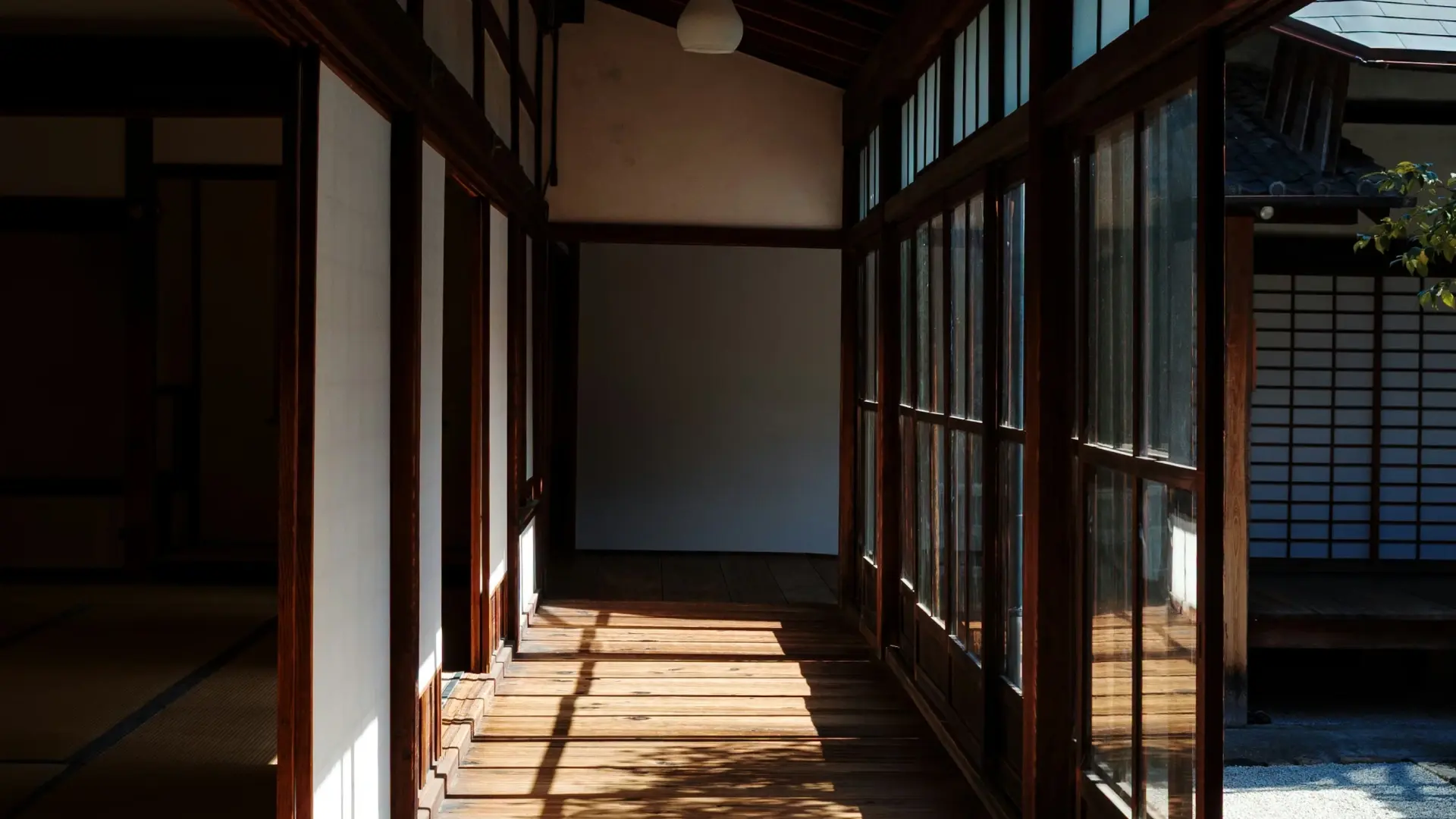
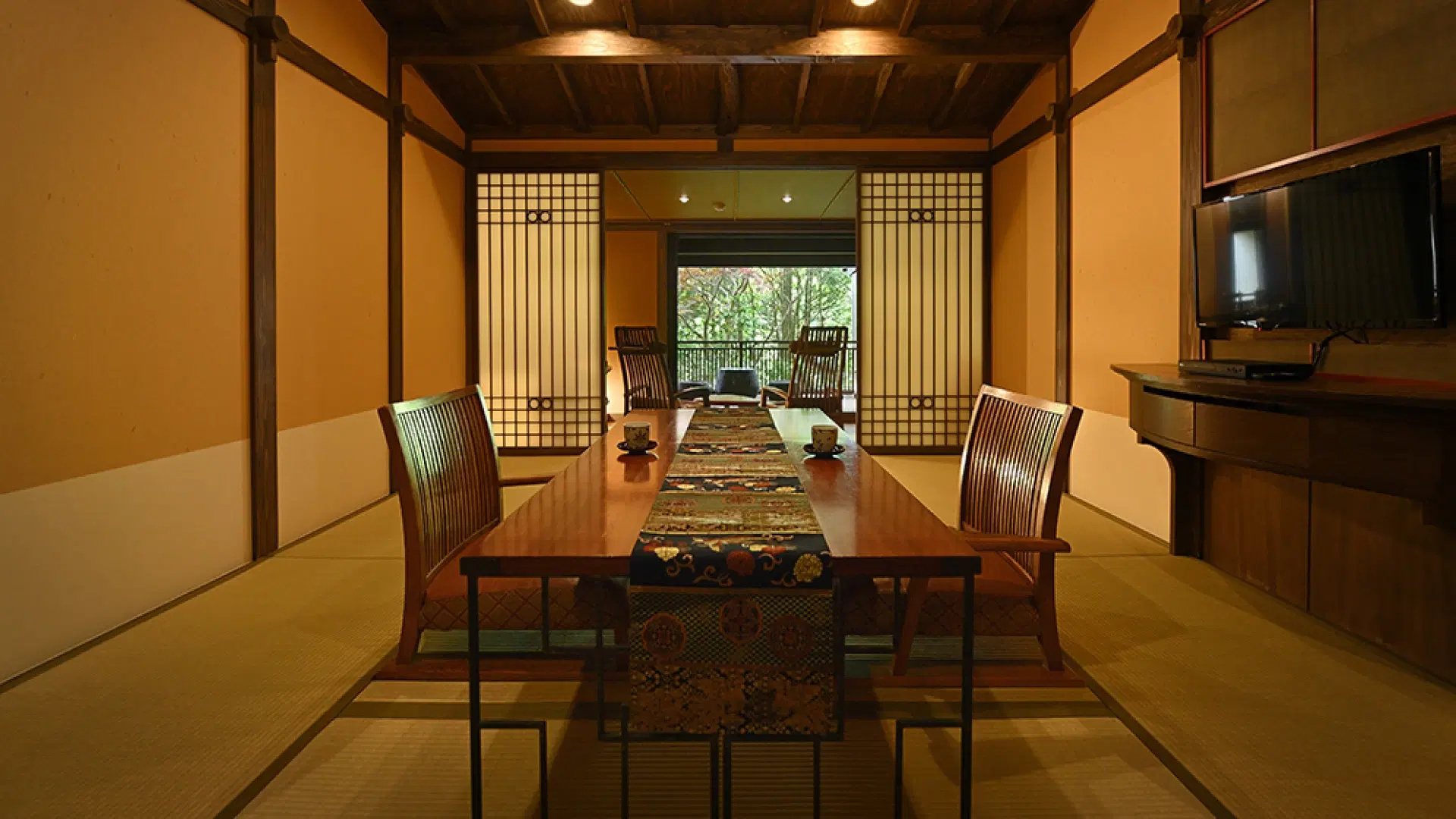
Our shitsurai evaluation examines multiple layers: the guest room itself (tatami quality, tokonoma display, shoji condition), textiles (yukata quality, seasonal weight, bath towels), the futon service, the tea service, and the continuation of traditional customs.
The yukata provided to guests should be of high-quality cotton, properly sized, and appropriate to the season. Many top ryokans provide a selection of patterns and offer different garments for evening and morning wear. The futon should be thick, the coverlet appropriate to the temperature, and the service swift, quiet, and skilled.
The ryokan room is not empty. It is full of intention. Every object has been chosen, every absence is deliberate, and the guest inhabits a space that has been prepared not just for comfort but for meaning.
At a ryokan that achieves the highest shitsurai scores, every object has been considered. You kneel on a zabuton cushion covered in indigo-dyed fabric. The nakai-san prepares matcha in a tea bowl whose irregular glaze catches the light. The wagashi is shaped like a young leaf, its sweetness the perfect counterbalance to the tea's vegetal bitterness.
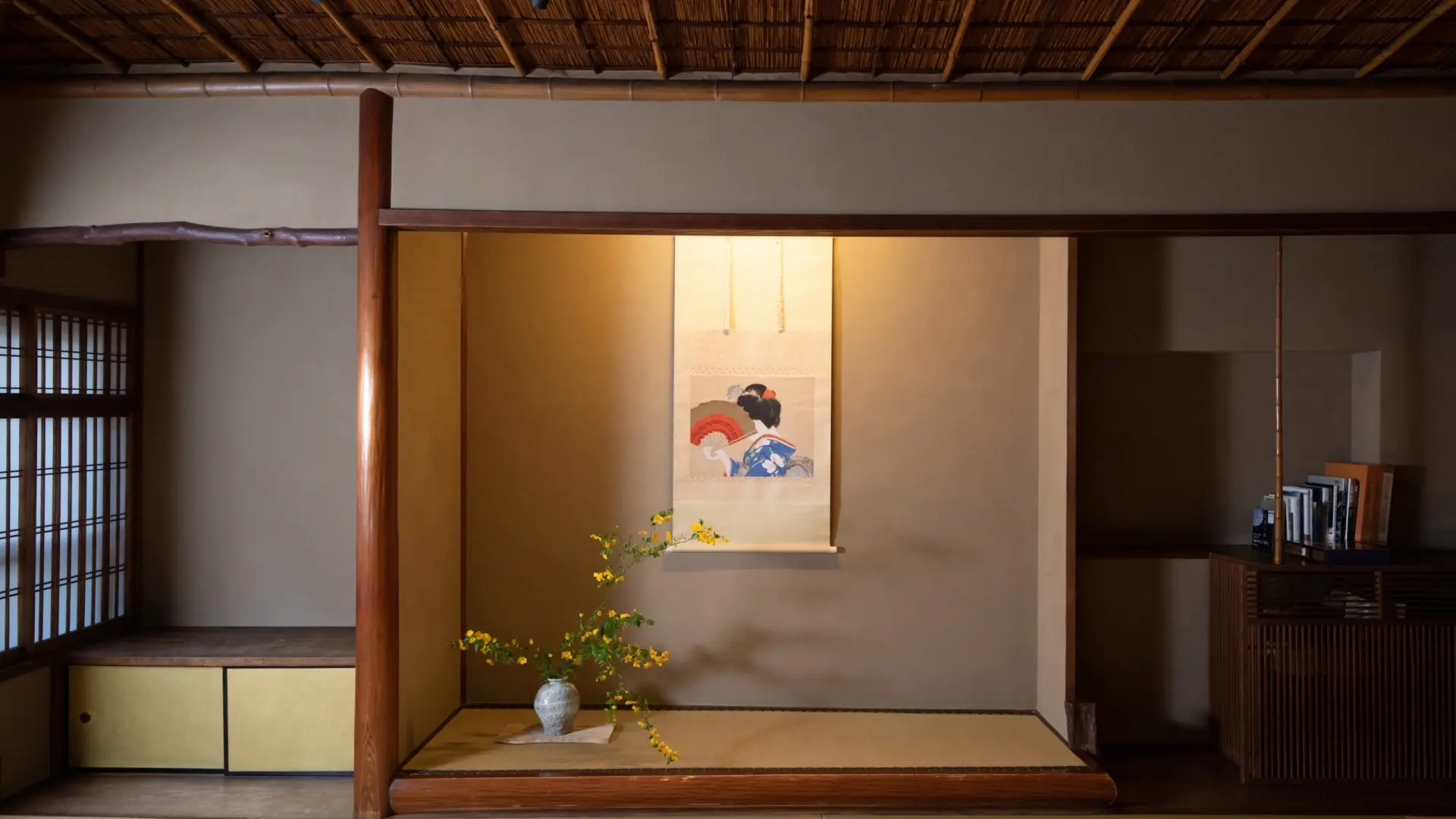
The tokonoma holds a scroll of calligraphy, the brushwork vigorous. Below it, a single branch of flowering quince, cut that morning, leans from a slender bronze vase with the casual precision that distinguishes ikebana from mere flower arranging.
When you return from dinner, the room has been transformed. The dining table and cushions have been removed, and in their place lies a futon so thick and yielding it seems less like bedding than a cloud rendered solid. The coverlet is filled with silk floss. The buckwheat-hull pillow, when you rest your head, makes a soft, shifting sound the Japanese find soporific.
Every element conspires toward sleep — the room itself functioning as a gentle, skilled attendant seeing you into the night.
Tatami is traditionally replaced annually in the finest establishments. Fresh tatami has a faint grassy scent and a firmness that springs back underfoot. The difference between new and aged tatami is immediately apparent both visually and underfoot — a key signal of a ryokan's commitment to shitsurai.