Omotenashi: Holistic and Anticipatory Service
How The Ryokan Guide measures the invisible art of Japanese hospitality
The word omotenashi occupies a singular place in the Japanese language. It is invoked at state dinners and in corner tea rooms, by airline cabin crews and by grandmothers welcoming neighbors for afternoon sweets. Yet its meaning remains stubbornly elusive in translation.
Two etymological readings coexist within the word, and both are essential. The first, omote-nashi, means "without a surface," without pretense. The second, motenashi, derives from moteru, to carry out or to execute, suggesting that genuine hospitality is not a feeling but an active practice. Together, the readings reveal a paradox: omotenashi is effortful and effortless at once, demanding deep preparation that the guest should never perceive.
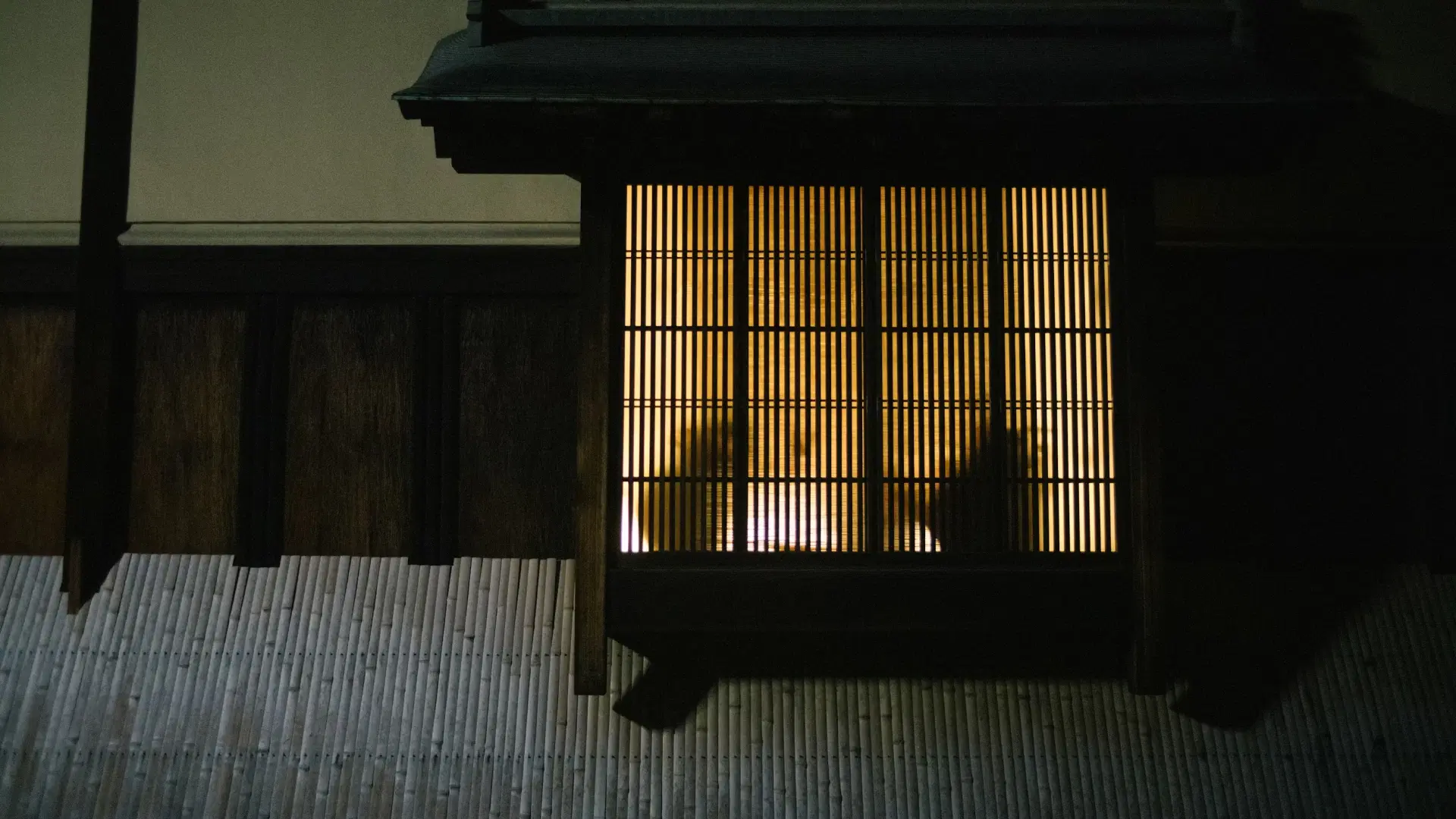
In the context of the traditional ryokan, omotenashi is the air the guest breathes. It is the okami who stands at the entrance to greet you by name before you have crossed the threshold. It is the nakai-san who notices that you favor your left hand and repositions the chopstick rest accordingly. It is the silence that follows the final course of dinner, the staff having withdrawn without sound, leaving you alone with the garden and the night.
This is not hospitality as the Western luxury industry understands it. There is no bellman expecting a tip, no concierge performing attentiveness in exchange for a review. Omotenashi is fundamentally non-transactional. It is offered as a gift, and the only expected return is the guest's comfort.
The best omotenashi is the kind you only recognize in retrospect, when you realize, days later, that you never once had to ask for anything.
Scoring omotenashi is the most subjective and the most consequential task in the TRG evaluation process. Our evaluators assess it across multiple dimensions: anticipation, personalization, warmth, invisibility, and consistency. A single brilliant interaction does not constitute omotenashi — the standard must be maintained from the initial reservation phone call through the final farewell at the entrance.
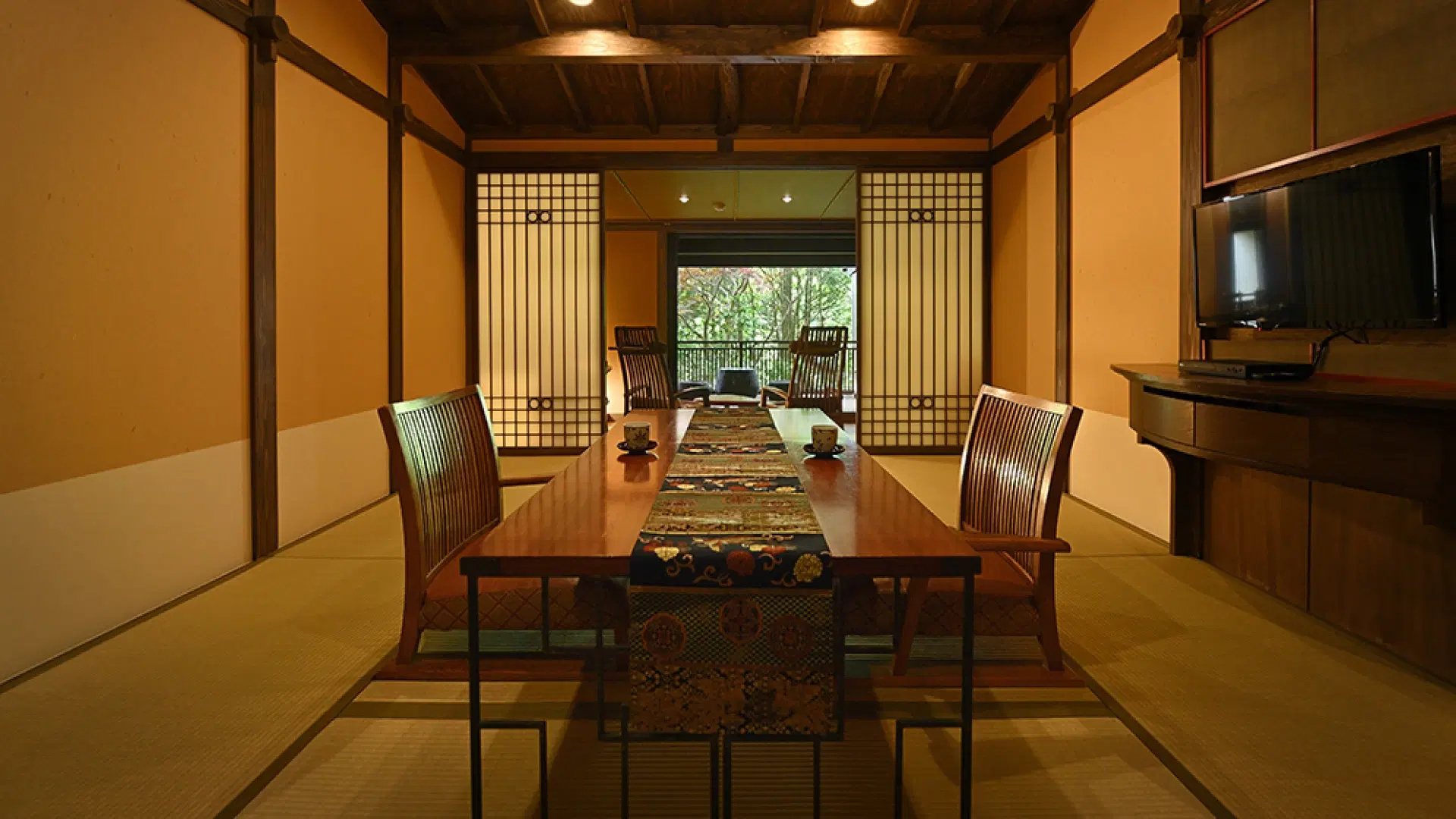
Consider the arrival sequence at a ryokan that scores at the highest level. You step out of your taxi. The okami is already at the entrance, bowing. She does not ask your name — she knows it. You are guided to your room. Your shoes have been taken and will reappear, cleaned, when you next need them. Your nakai-san prepares matcha and a seasonal wagashi sweet while you settle in.
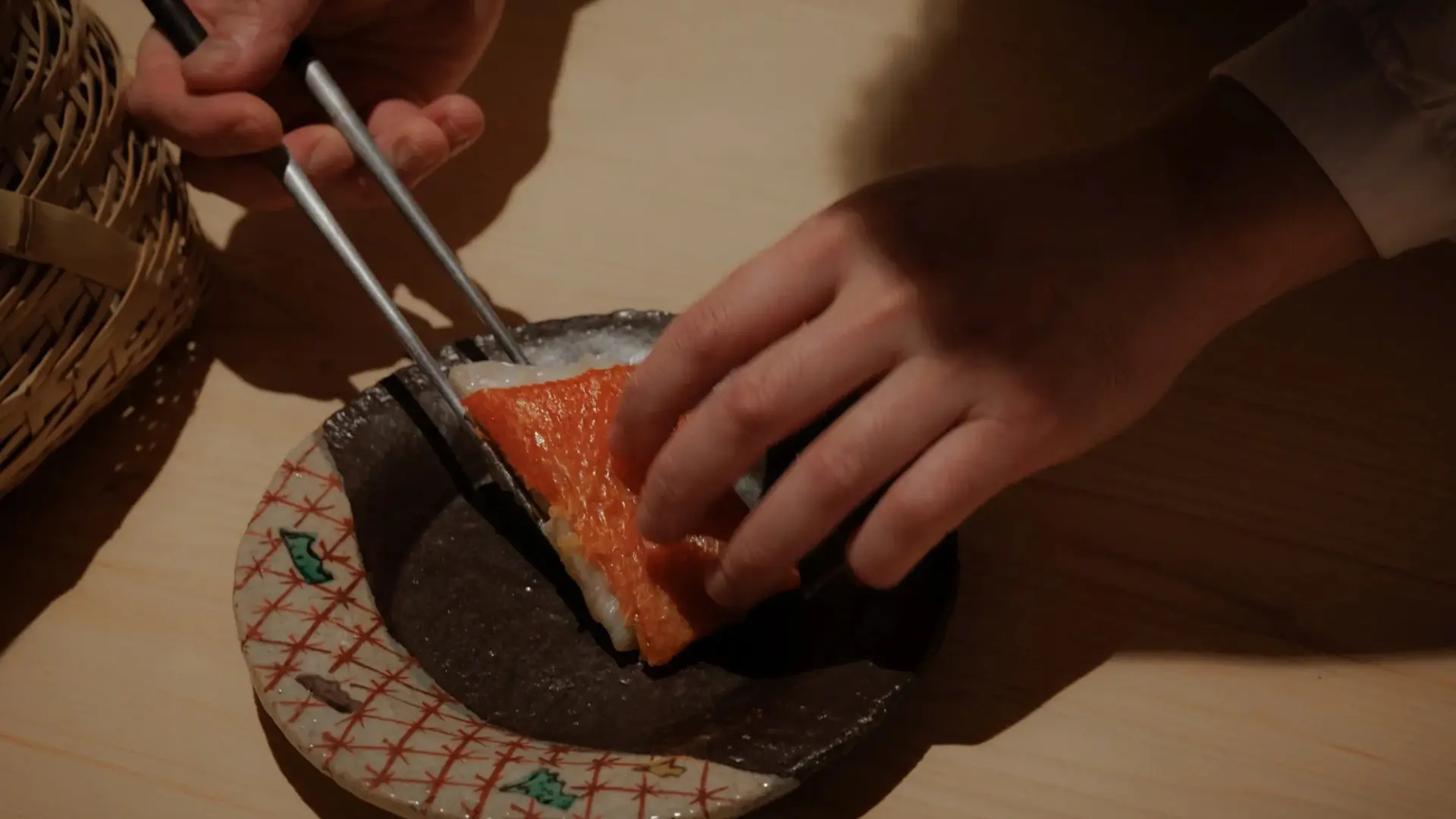
At dinner, each course arrives at the precise moment you have finished the last. If you are eating slowly, the intervals lengthen. If you leave food untouched, the next morning's breakfast will be subtly adjusted.
At the finest ryokans, the okami accompanies the departing guest to the entrance and bows as the car pulls away, remaining in place until the guest is out of sight. This gesture communicates, without words, that the guest's presence mattered and that care did not end when the transaction concluded.
Omotenashi is the criterion against which all others are ultimately measured. Architecture creates the frame. Cuisine nourishes the body. The onsen restores the spirit. But it is omotenashi that transforms a collection of fine experiences into something that stays with you — that changes the way you understand what it means to be cared for.