Ryori: Seasonal Artistry in Food
How The Ryokan Guide evaluates the kaiseki tradition and culinary craft of Japan’s finest inns
Ryori is the Japanese word for cooking, for cuisine, for the act of preparing food with intention. Written with two kanji characters — the first meaning "to manage" and the second meaning "to arrange" — the word suggests something far more deliberate than mere sustenance. Ryori is the intellectual and artistic organization of ingredients into something that nourishes, delights, and communicates.
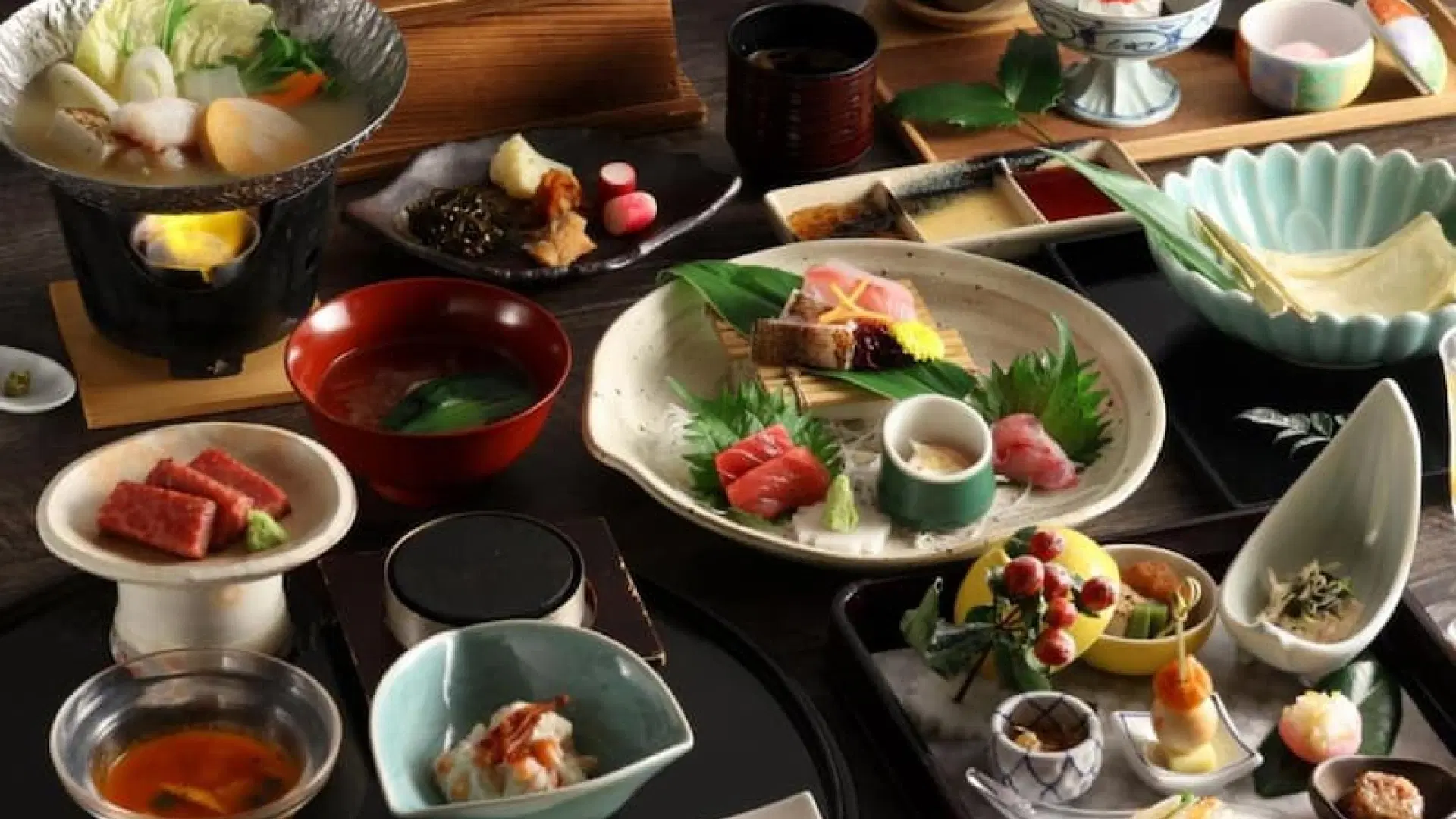
In the ryokan tradition, ryori is inseparable from the broader experience. The kaiseki dinner is not a restaurant meal consumed in a dining room. It is an event, a narrative told through food, one that moves from the light and the raw toward the substantial and the cooked.
Our evaluators assess ryori across five interconnected dimensions: ingredient quality and sourcing, seasonality, technique, presentation, and breakfast. A mountain ryokan in Nagano should feature river fish and wild vegetables gathered from surrounding forests. A coastal inn in Ishikawa should present fish from the morning's catch at the nearest port. The question is not whether the ingredient is expensive but whether it belongs.
A kaiseki dinner at the highest level is not a sequence of dishes. It is a conversation between the chef and the landscape, conducted through flavor, texture, and time.
The Japanese culinary calendar recognizes roughly seventy-two microseasons, each carrying their own associated ingredients and flavors. The bamboo shoots of early spring taste different from those harvested two weeks later. The sweetfish, ayu, pulled from a river in June carries a melon-like fragrance that vanishes by August. We look for kitchens that not only know these distinctions but celebrate them.
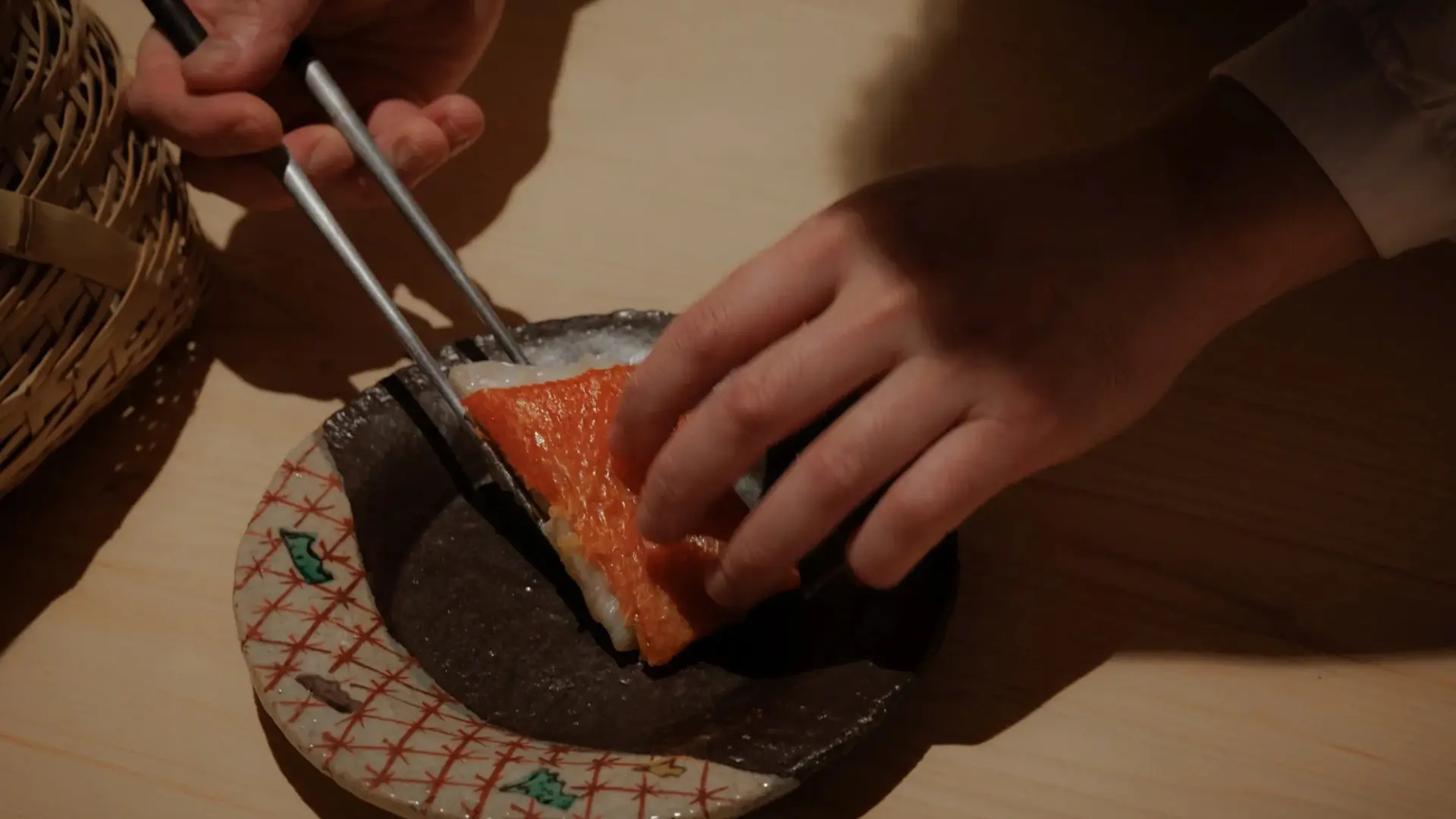
At a ryokan that scores at the highest level for ryori, dinner begins before you sit down. The sakizuke appetizer communicates the entire philosophy of the meal to come. It tells you what season you are in, what landscape surrounds you, and how carefully the chef has considered your experience.
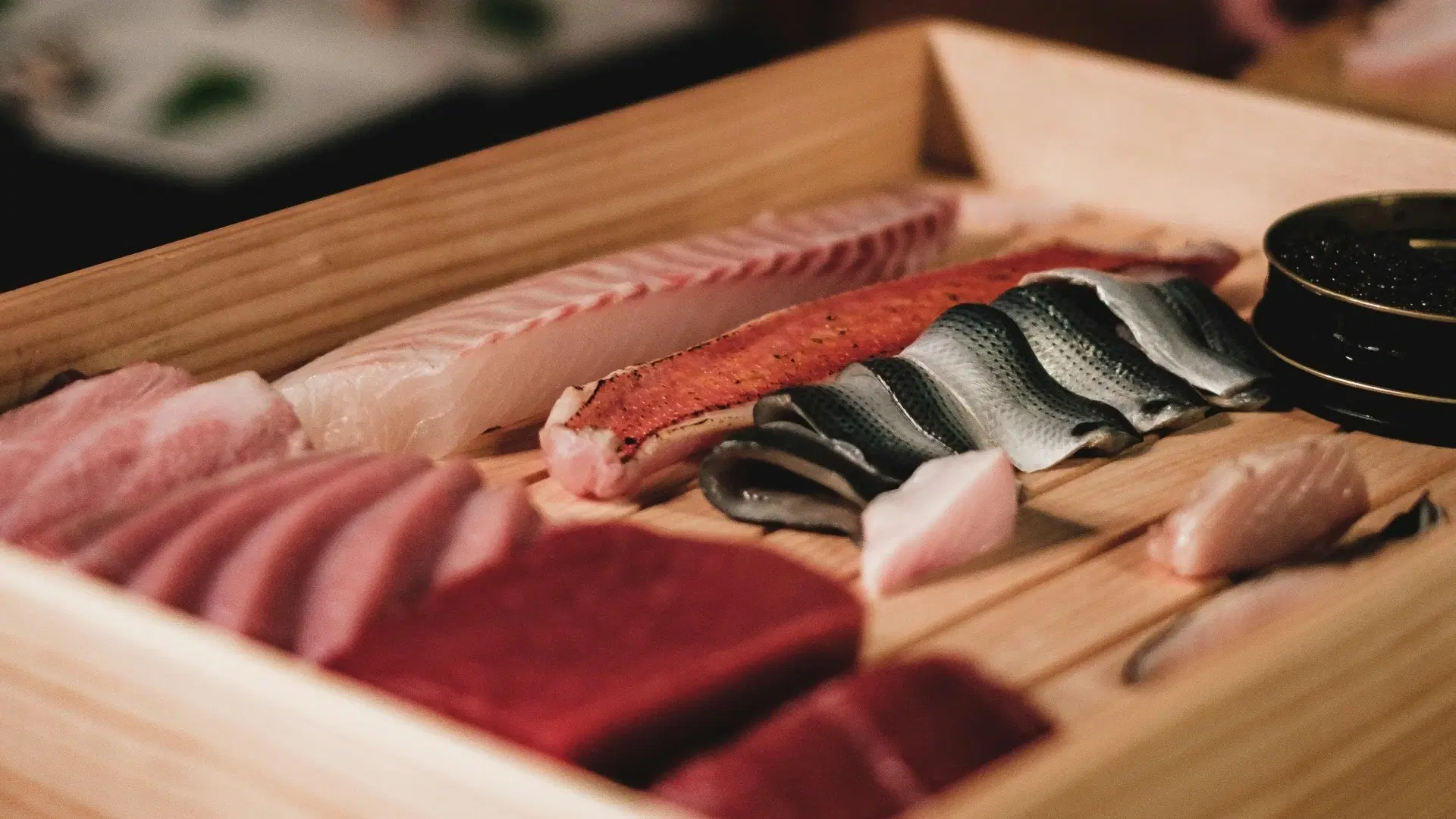
The courses unfold with the logic of a poem. The owan soup arrives in a lacquered bowl whose lid, when lifted, releases a tendril of fragrant steam. The mukozuke sashimi features species from the nearest coast, each sliced in a different style. The meal continues through grilled, steamed, and simmered courses, arriving finally at rice cooked in a ceramic donabe pot over open flame.
Many Japanese chefs consider the owan (lidded soup course) the most revealing test of skill. The clarity of the dashi broth, the precision of the garnish, and the temperature at the moment the lid is lifted tell more about a kitchen's caliber than any showpiece dish.
Many guides focus exclusively on the kaiseki dinner, but we believe the morning meal is equally revealing. A traditional ryokan breakfast — with its grilled fish, tamagoyaki omelette, pickled vegetables, miso soup, and fresh rice — is a measure of care and consistency. The rice should be cooked within the hour. The grilled fish should be handled with the same respect given to the evening's most elaborate course.