Kodawari: Devotion to Perfection Across the Entire Stay
How The Ryokan Guide measures the relentless, uncompromising pursuit of quality in every detail
Kodawari is a word that resists simple translation because the concept it describes has no precise Western equivalent. It is often glossed as "obsession" or "attention to detail," but these translations miss the philosophical dimension. Kodawari is the uncompromising devotion to getting something exactly right, pursued not for external validation but as an expression of personal and professional integrity.
It is the ramen chef who spends twenty years refining a single broth. The knife sharpener who considers a blade finished only when it meets a standard no customer would ever notice. The gardener who adjusts the angle of a single stone by a few degrees because the previous position did not satisfy his own sense of rightness.
In the context of the ryokan, kodawari manifests as a pervasive, unglamorous commitment to quality that extends from the most celebrated elements to the most overlooked. It is the criterion that asks not whether the ryokan can produce a single brilliant experience but whether it can sustain excellence across every dimension, every interaction, every corner, without exception.
Kodawari is, in a sense, the criterion that binds all the others together. Omotenashi, ryori, onsen, wabi-sabi, shun, shitsurai, and ichigo ichie each evaluate a specific dimension. Kodawari evaluates whether the standard achieved in the best of these is maintained in all of them.
Kodawari is not the pursuit of perfection. It is the refusal to accept anything less, even when no one would notice the difference. It is quality as a form of self-respect.
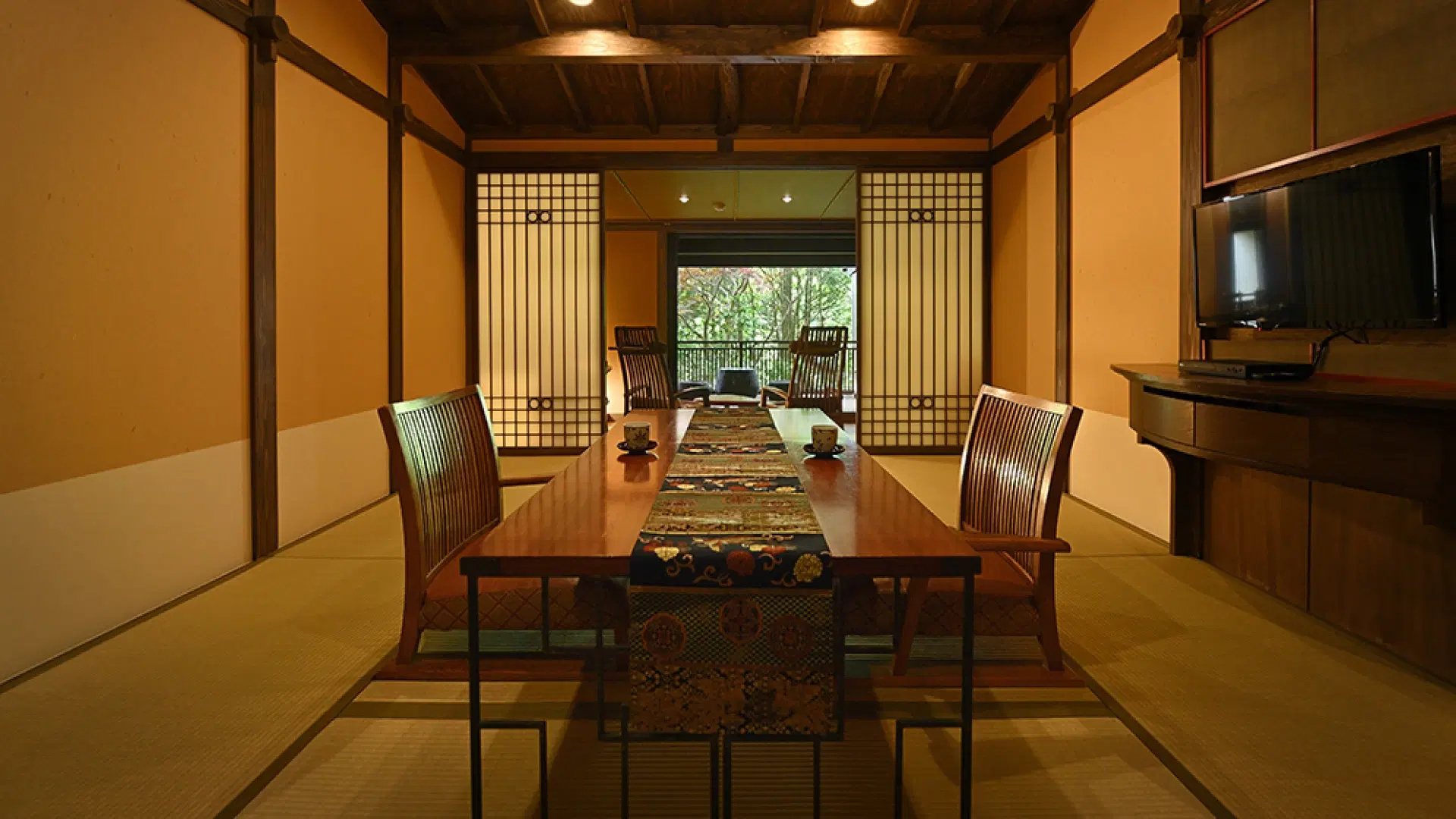
Our kodawari evaluation operates on the principle that true quality is revealed in the detail no one is supposed to notice. We assess consistency across spaces — does the quality in the guest room extend to corridors, stairwells, and less-trafficked corners? We evaluate consistency across time — is the breakfast service as polished as the dinner service?
Most distinctively, we examine the quality of the invisible: the underside of a lacquerware tray, the stitching inside a cushion, the condition of tools in the garden shed visible through a window. These details reveal the depth of the proprietor's commitment to the idea that everything matters, whether anyone is looking or not.
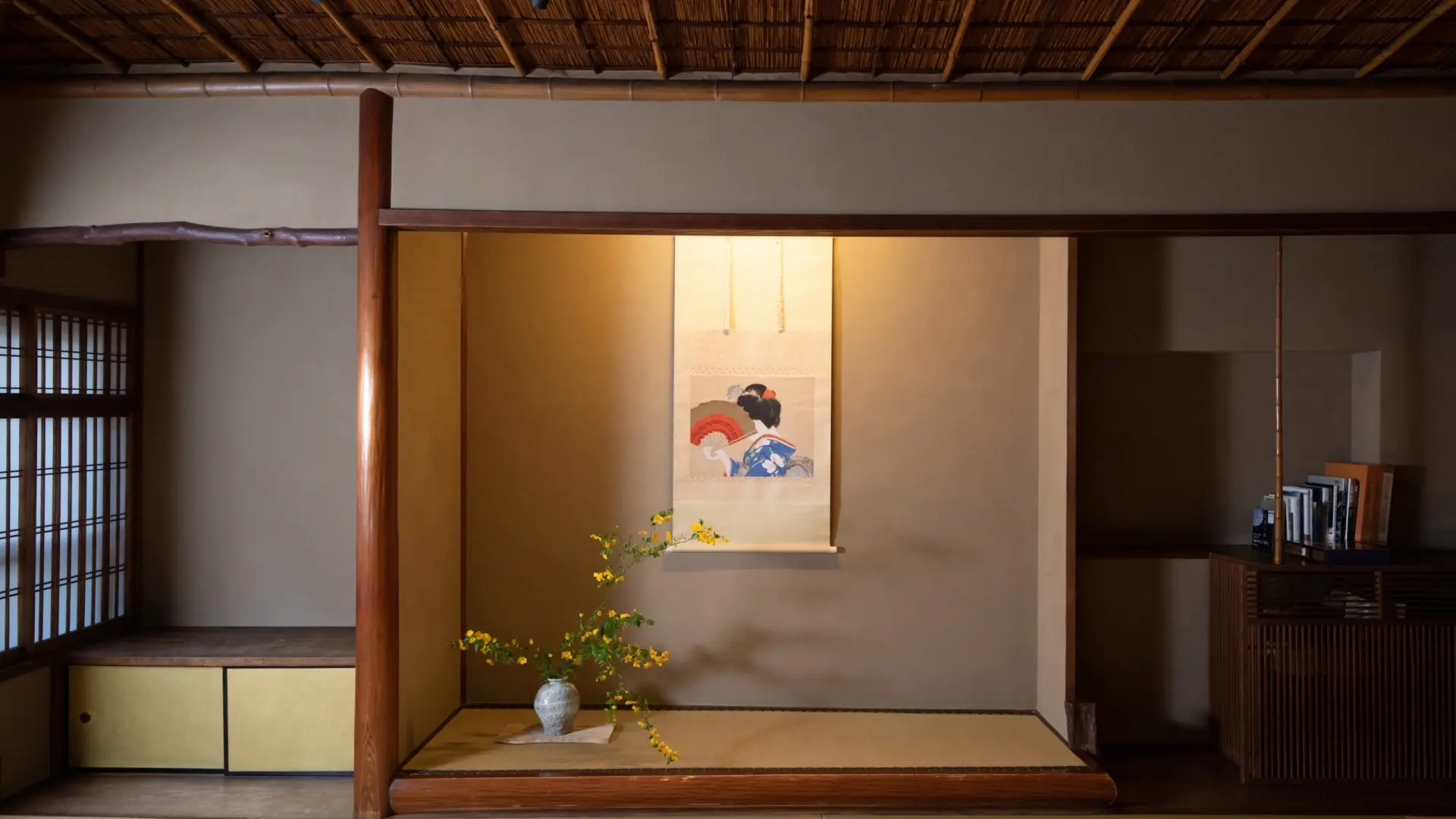
You step out of the taxi and notice the gravel in the entrance path has been freshly raked. The wooden gate is in perfect repair, its hinges silent. Inside, the corridor is dimly lit with warm-toned sconces at consistent intervals. On a small shelf in an alcove you pass, a ceramic figure sits on a silk cloth. No one expects you to stop and admire this alcove. It exists because someone believes every space deserves care.
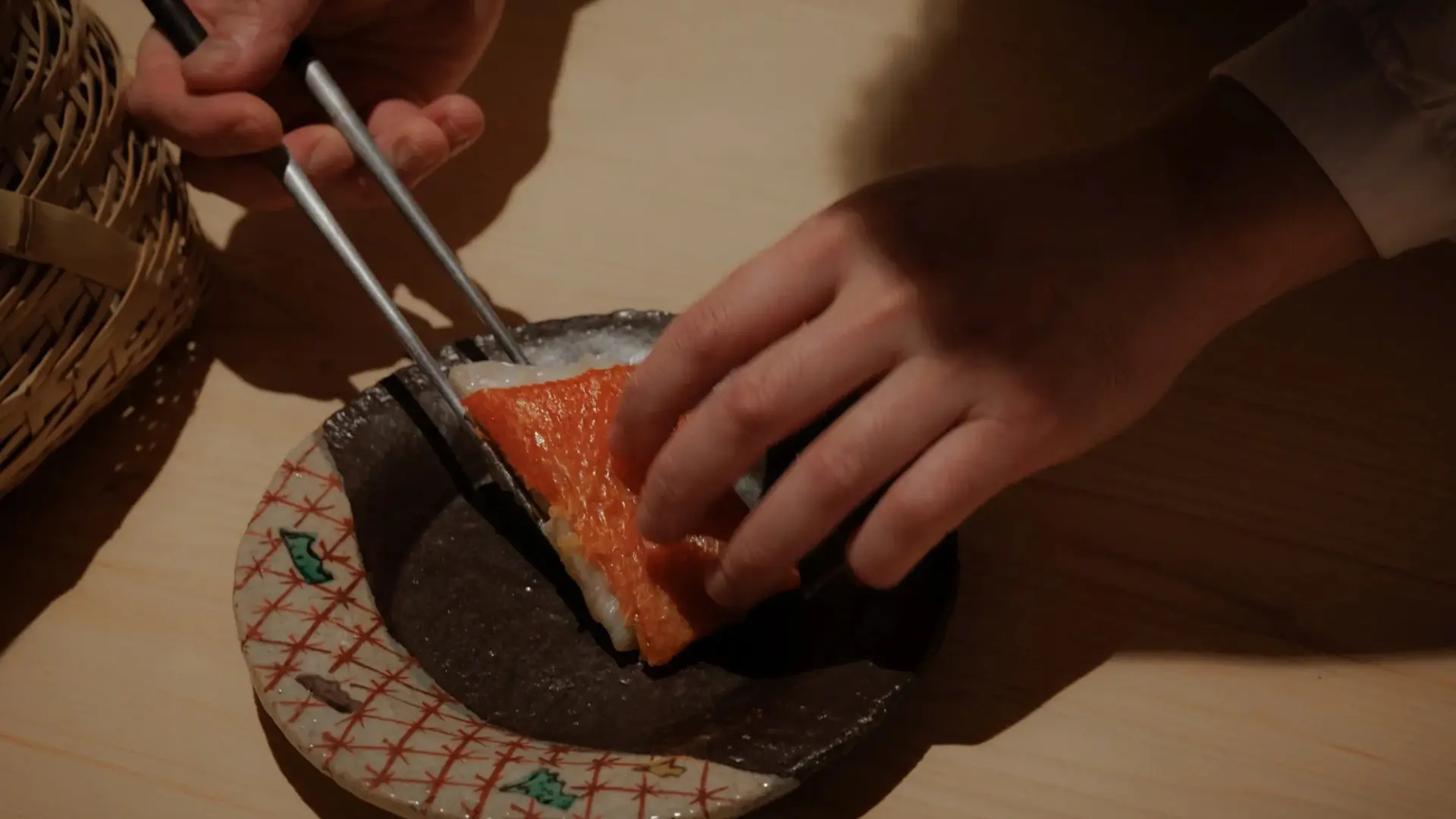
At dinner, kodawari manifests as the temperature of each course being exact: hot dishes genuinely hot, cold dishes properly chilled. The nakai-san's knowledge of the menu is comprehensive. When you ask about a particular ingredient, she provides a specific, confident answer.
TRG evaluators examine things guests are not expected to inspect: the underside of trays, stitching inside cushions, the condition of garden tools, flowers in staff corridors. These details never appear in guest reviews, but they reveal whether the proprietor's commitment to quality is genuine or selective.
The ryokans that score highest on kodawari are invariably run by proprietors who see their work as a vocation rather than a business. They would maintain the same standards if no guide existed, no reviews were written, and no scores were assigned — because the work itself, the daily practice of making everything as good as it can possibly be, is its own reward.
When we assign the highest kodawari scores, we are recognizing not a single achievement but a sustained discipline: the guest who arrives on a quiet Tuesday in November will receive the same depth of care as the one who arrives on the peak weekend of cherry blossom season.