Shun: Sense of Place and Seasonality
How The Ryokan Guide measures a ryokan’s relationship with its landscape, climate, and the turning of the year
Shun is one of those small Japanese words that contains an entire philosophy. In its most common usage, it refers to the peak moment of seasonal ripeness — the precise few days when a fruit, a vegetable, or a fish is at its absolute finest. But shun extends far beyond the kitchen. It is a way of attending to time and place, a cultural orientation that holds each moment and each location as unique and unrepeatable.
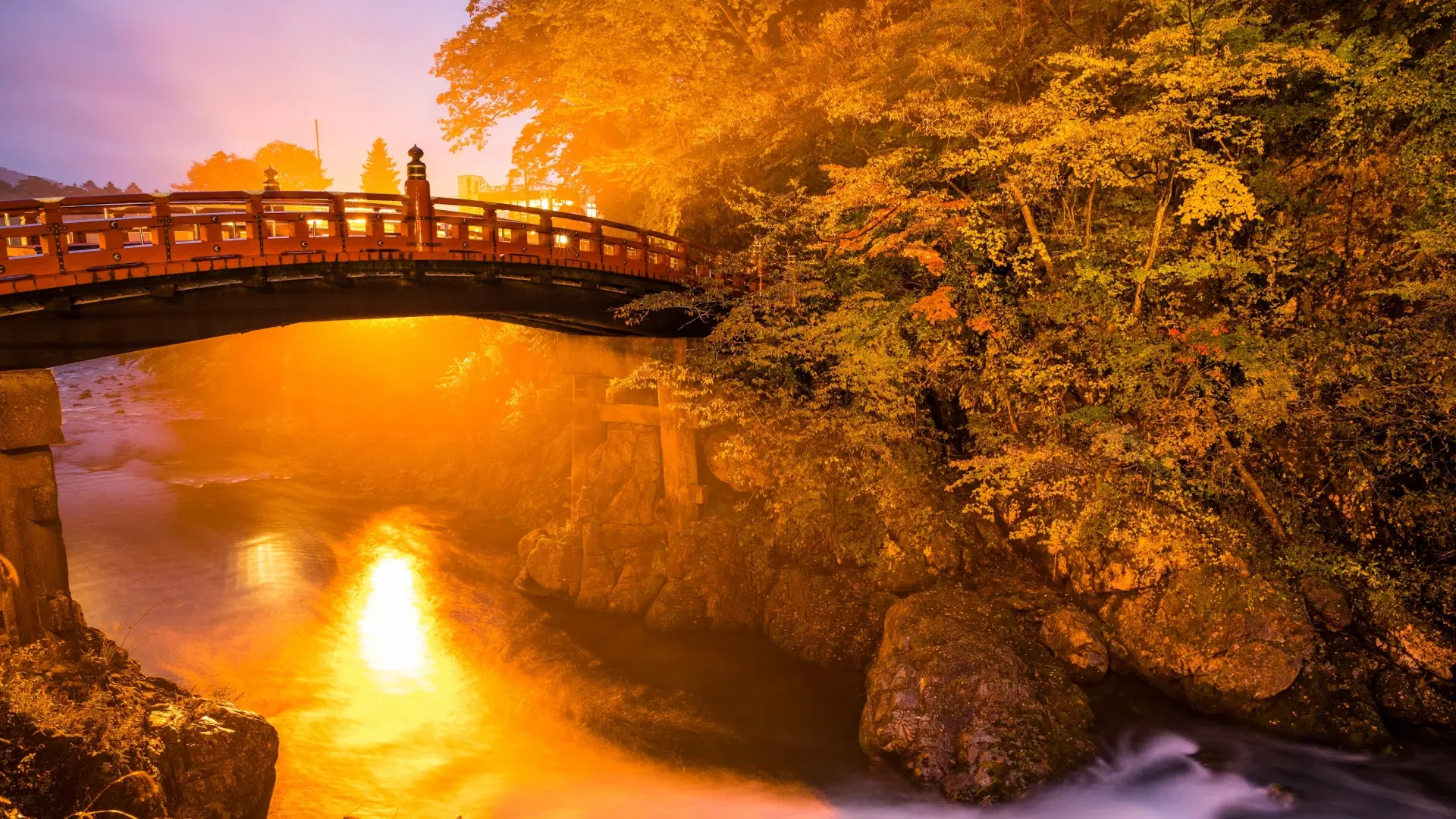
The cherry blossoms are not simply beautiful; they are beautiful now, this week, at this particular tree, in this particular light, and their beauty is inseparable from the knowledge that they will be gone in days.
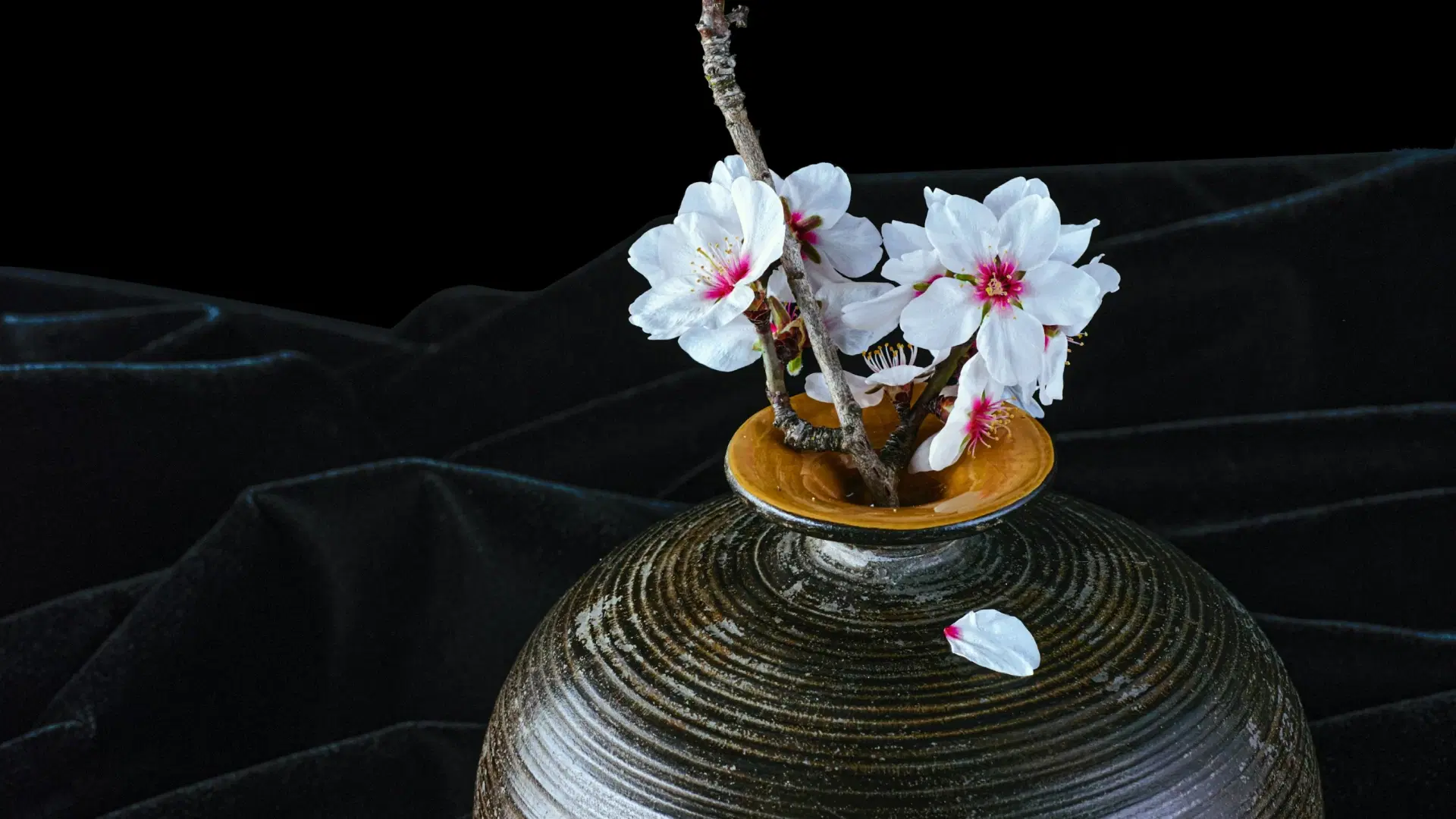
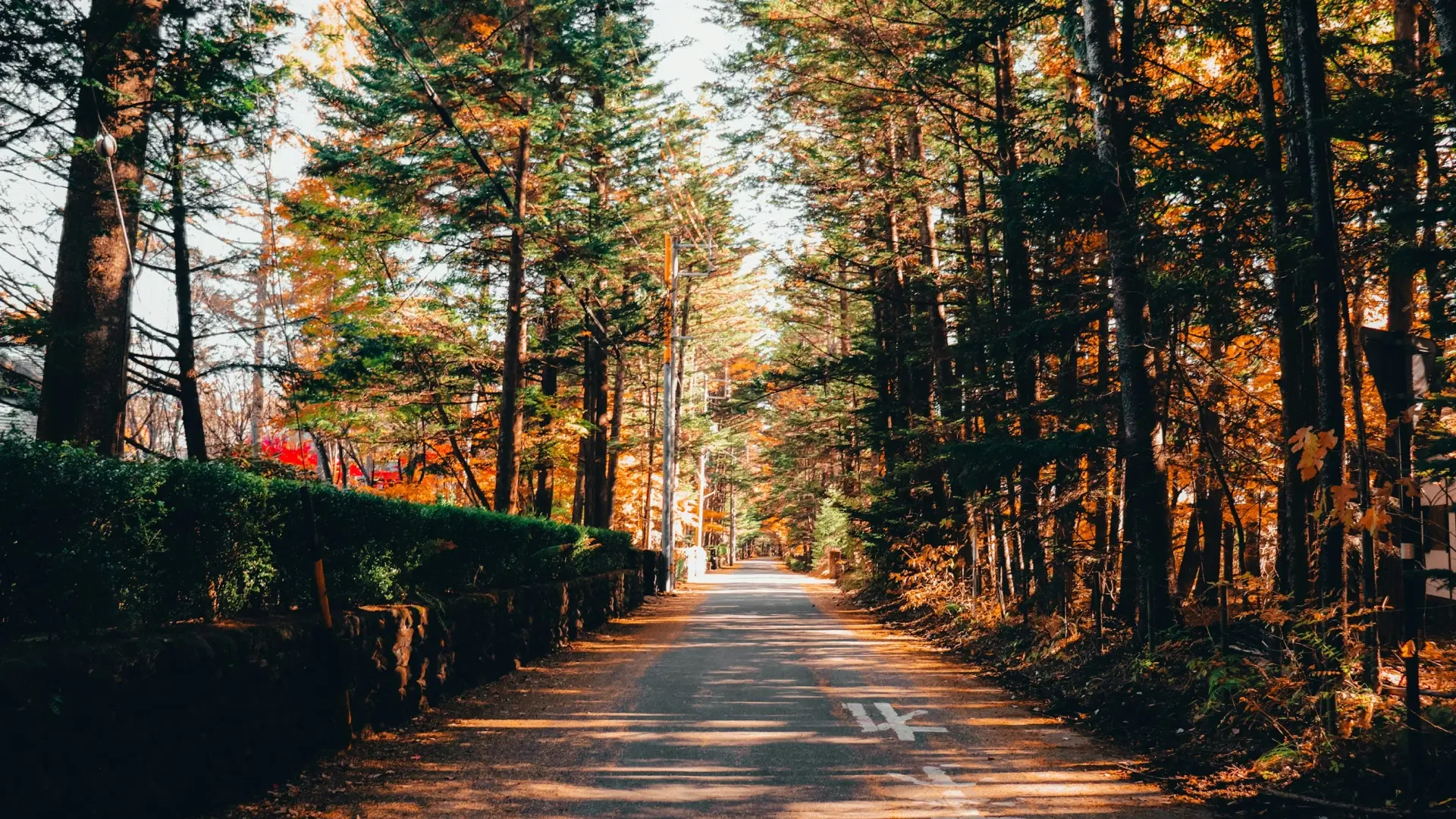
When The Ryokan Guide evaluates shun, we are asking: does this ryokan belong here? Could it exist, in its fullness, in any other location, in any other month? For the greatest establishments, the answer is always no.
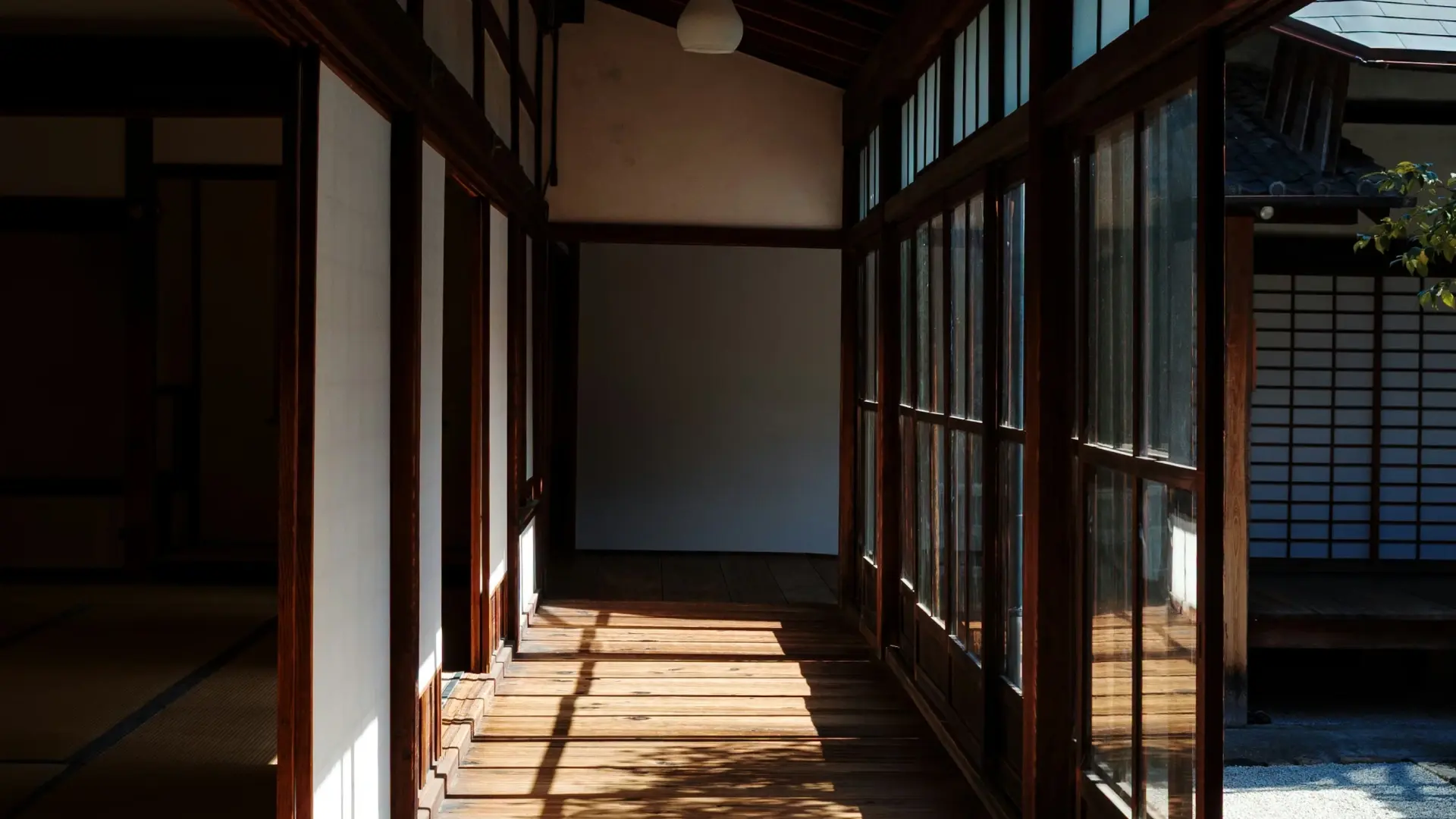
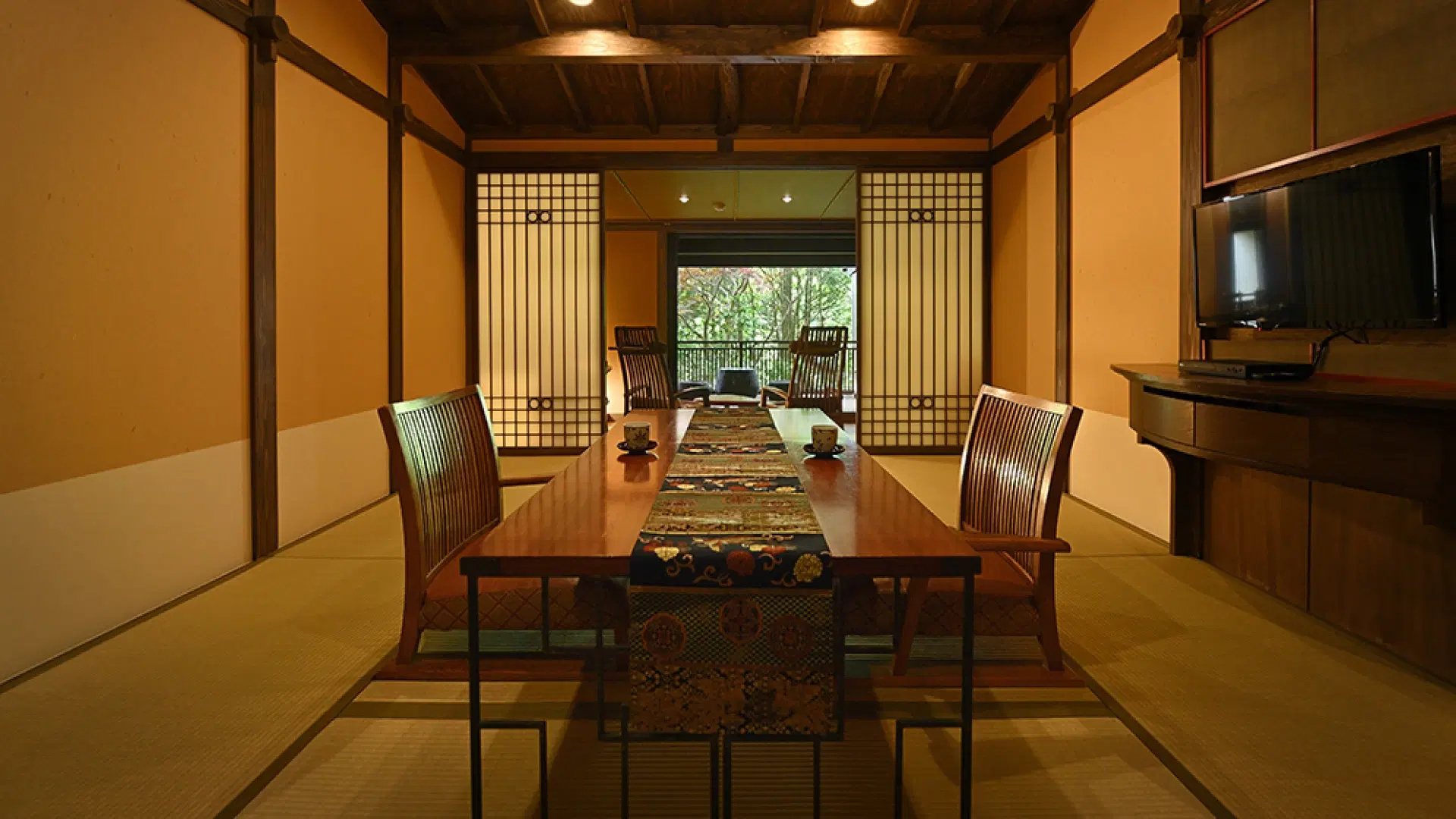
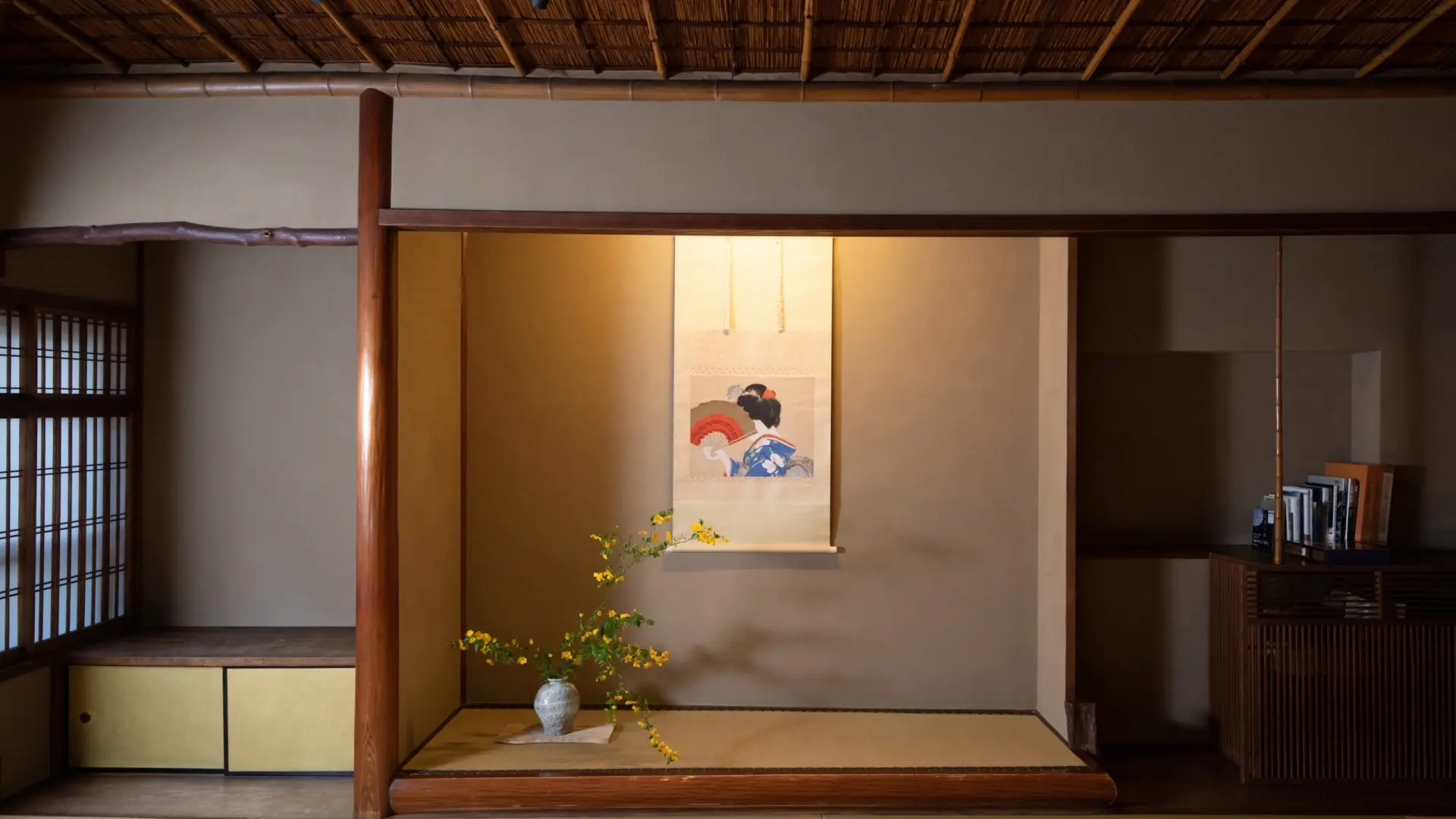
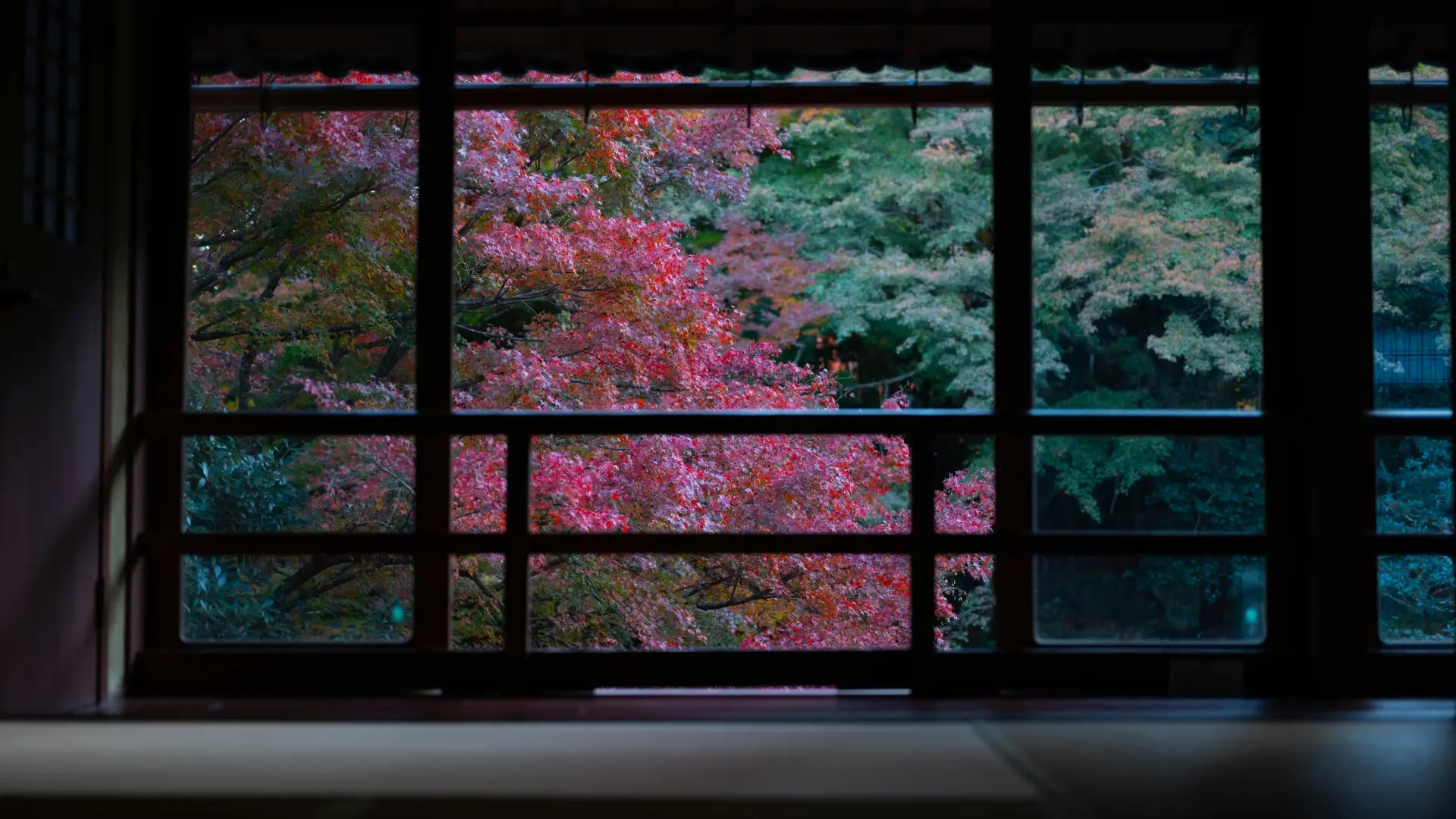
Our evaluation considers four dimensions: geographic rootedness, seasonal expression, landscape integration, and cultural connection. The materials used in the building should reflect the local geology. The cuisine should feature ingredients gathered within a radius that speaks to genuine local sourcing. The aesthetic sensibility should echo the surrounding landscape.
A ryokan that could exist anywhere does not truly exist at all. The finest inns are as rooted in their landscape as the trees in their garden.
The Japanese calendar recognizes roughly seventy-two microseasons, each lasting about five days, each associated with a specific natural phenomenon such as "first peach blossoms" or "hawks learn to fly." We do not expect ryokans to follow this calendar literally, but we reward those that demonstrate an awareness of seasonal nuance that goes beyond the four broad seasons into the finer textures of passing time.
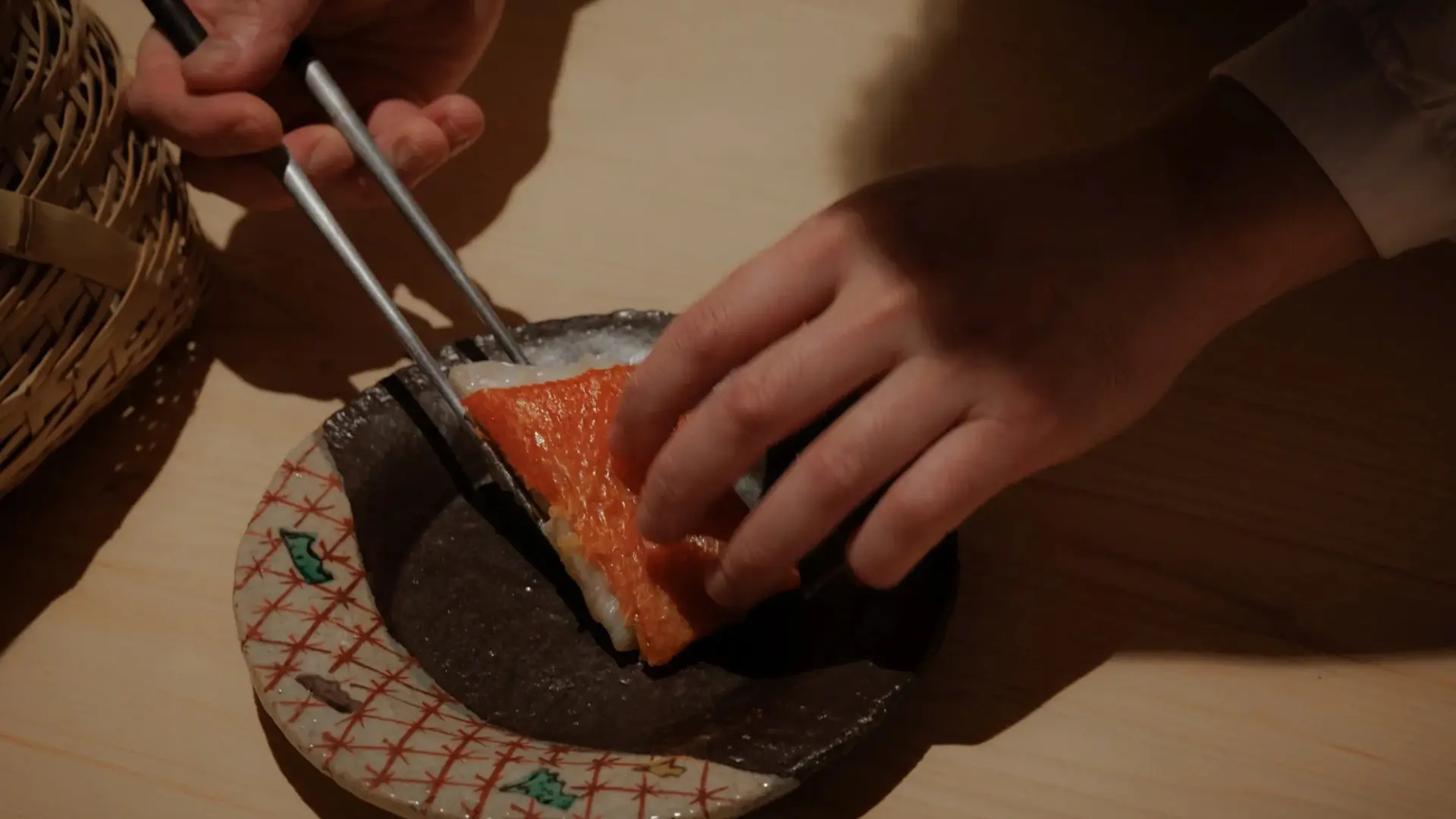
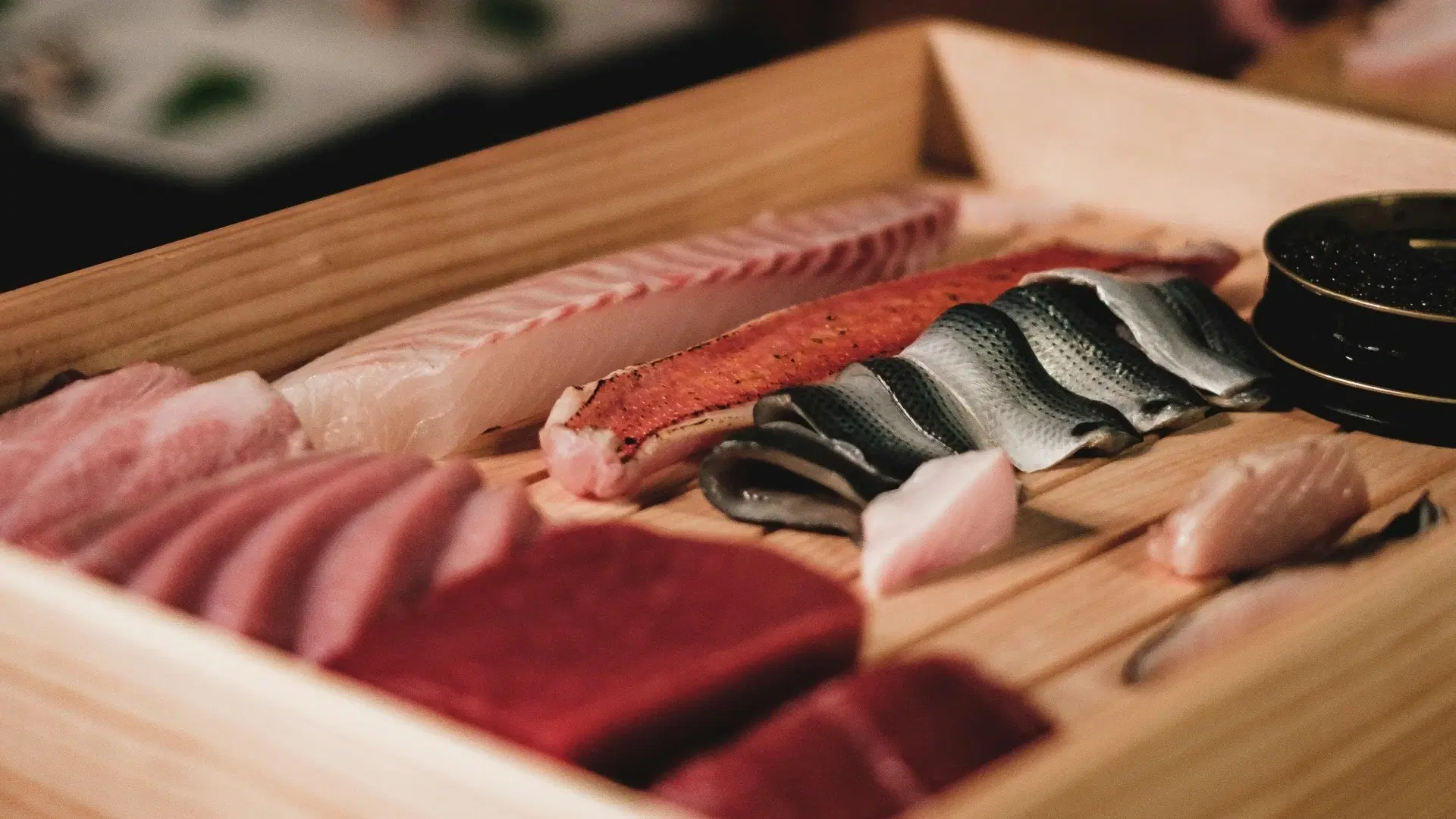
Consider a coastal inn in the San'in region during November. At dinner, the first course is locally harvested mozuku seaweed, its slippery texture an immediate reminder that the sea defines life here. The sashimi features species pulled from these particular waters that morning. The grilled course is the celebrated Matsuba crab, available only from November through March. The rice is from paddies you passed on the drive from the station.
After dinner, you walk to the rotenburo. The wind carries salt. The sound of waves is constant. The stars are brilliant. You are, inescapably, here — not in a generic ryokan experience but at this precise intersection of geography and time.
The traditional Japanese almanac divides the year into seventy-two *ko*, microseasons of roughly five days each. From "east wind melts the ice" in early February to "bears retreat to their dens" in mid-December, this granular calendar shaped centuries of Japanese cuisine, gardening, and hospitality.