Ichigo Ichie: Memorable Rituals and Exclusivity
How The Ryokan Guide evaluates the singular, unrepeatable quality of each stay
Ichigo ichie is a phrase born from the Japanese tea ceremony, attributed to the sixteenth-century tea master Ii Naosuke. The four characters translate literally as "one time, one meeting." The meaning is both simple and bottomless: every encounter is unique, will never recur in precisely this form, and therefore deserves the fullest possible attention and care.
In the tea ceremony, ichigo ichie is not a metaphor. It is a literal description of what occurs. The host prepares for weeks. The guests arrive. The tea is shared. That particular combination of people, light, weather, mood, and season will never exist again.
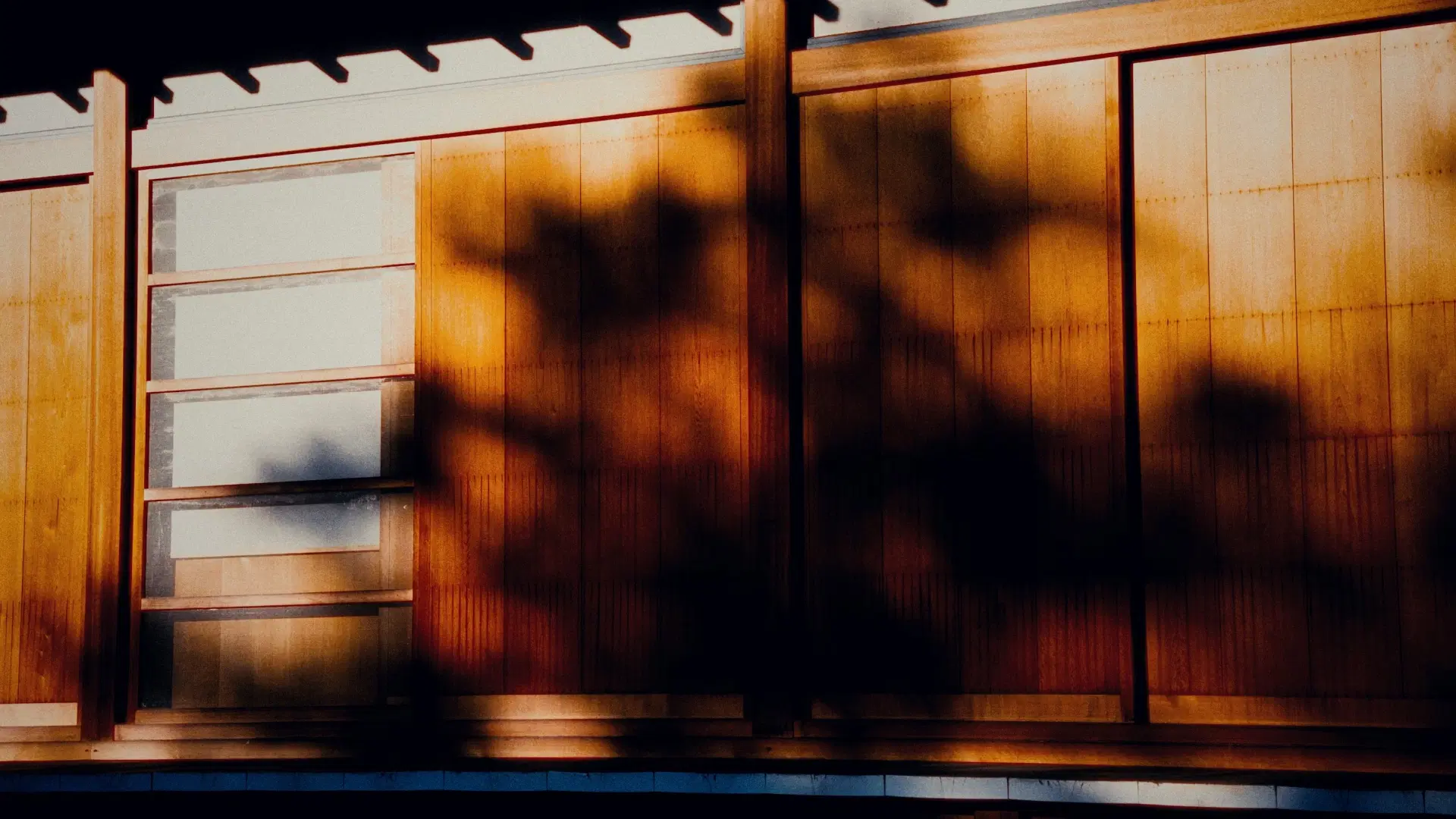
The ichigo ichie criterion evaluates four dimensions that together produce the sensation of singularity: ritual, exclusivity, curation, and memory. Ritual means structured moments that carry emotional weight — the arrival ceremony, the kaiseki dinner presented as narrative, the bath approached as contemplative practice, the farewell with its final bow.
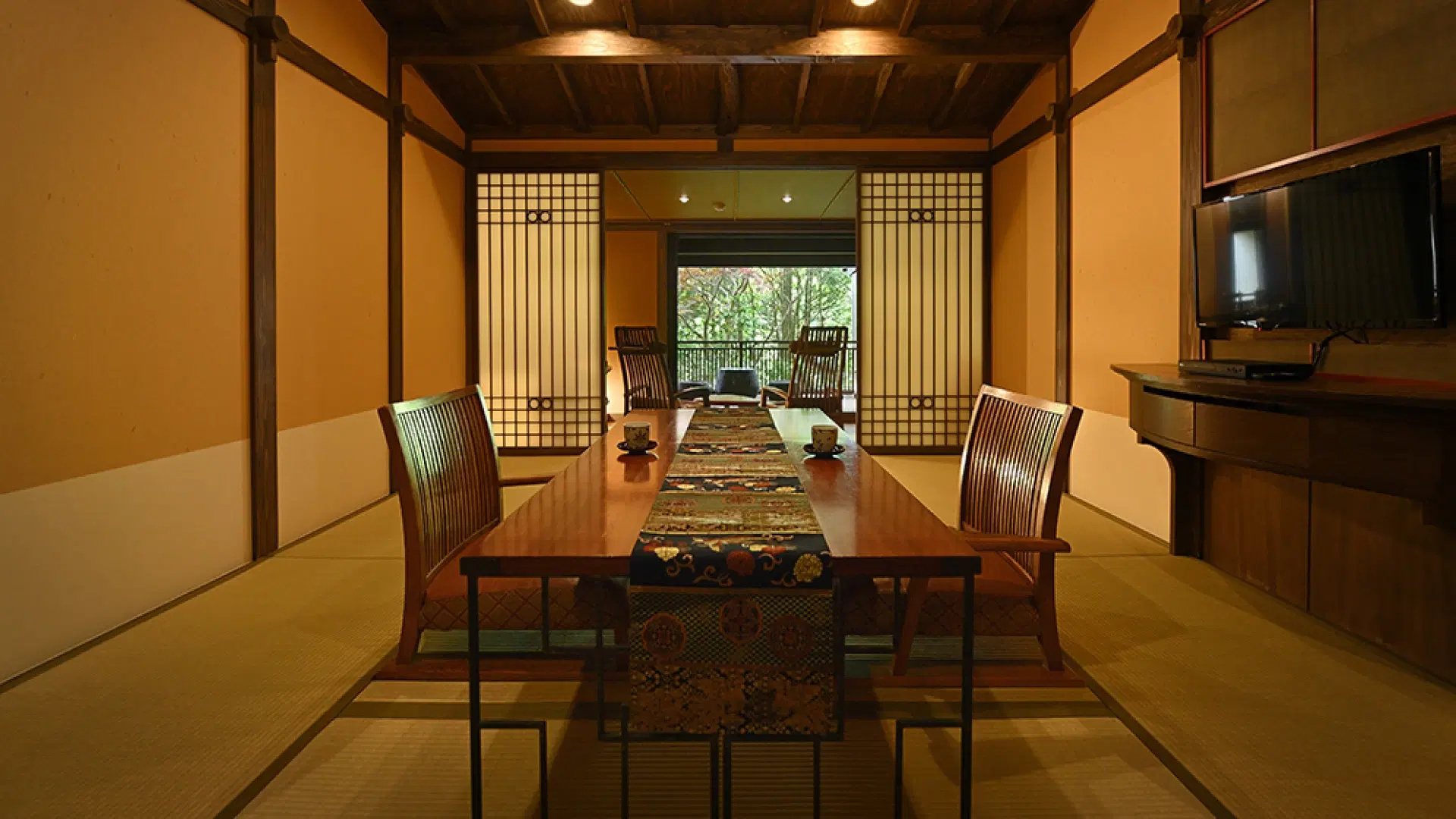
Exclusivity refers not to price but to the sense of privileged access. A private dining room rather than a communal hall. A bath reserved for your exclusive use. A nakai-san assigned solely to your room. Small room counts contribute significantly — a ryokan with six rooms offers a level of personal attention that a fifty-room establishment cannot match.
The purpose of the ryokan is not to provide an experience you can repeat. It is to provide an experience so vivid, so specific, and so complete that repetition becomes beside the point.
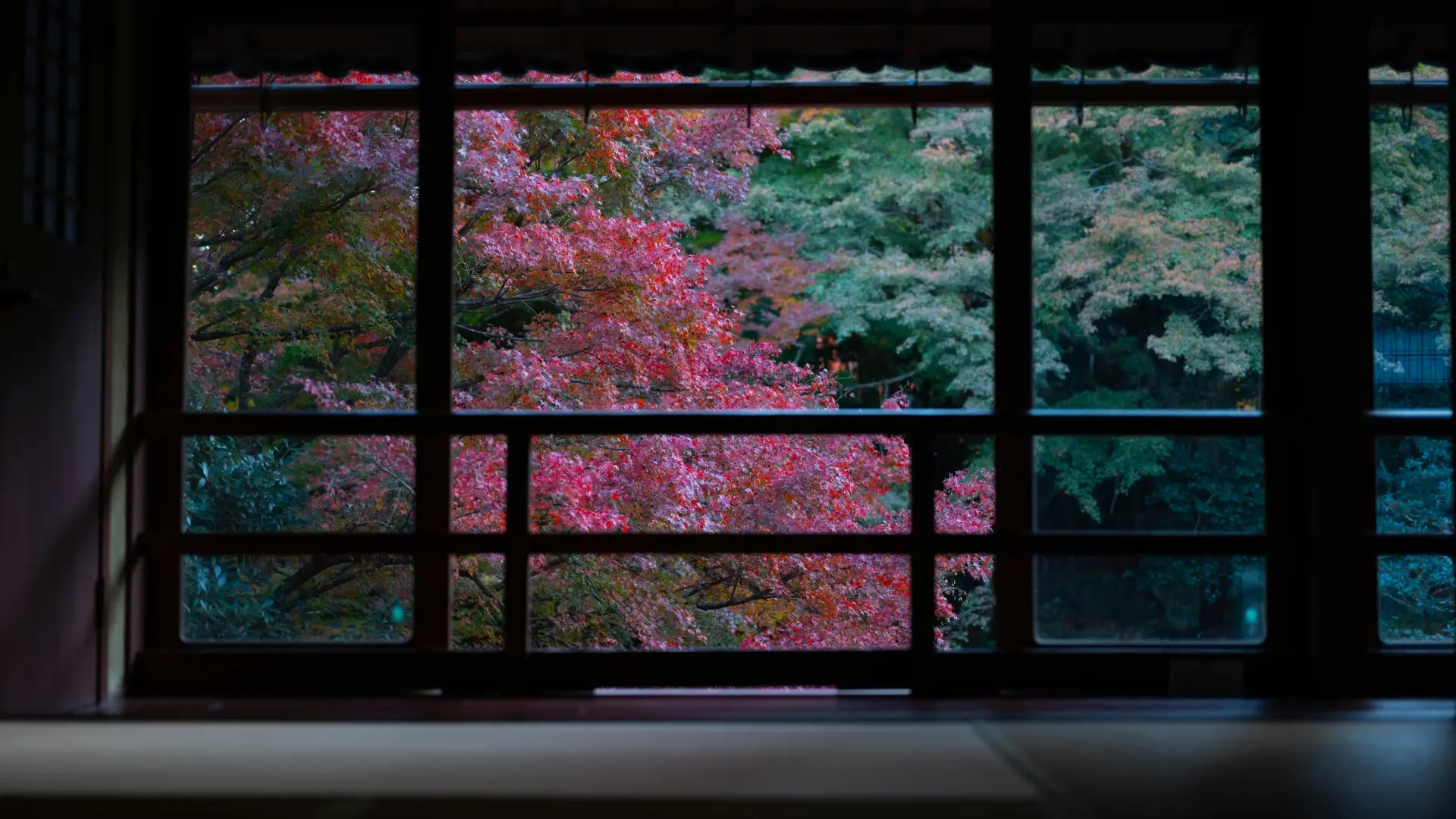
Consider a stay at a small mountain ryokan with only five rooms. The okami walks you not to your room but to the garden first, pausing beneath a maple whose leaves have just begun to turn. "This week is the best week," she says, with the quiet authority of someone who has watched this tree for thirty autumns. "By next Tuesday, it will be different."
At dinner, the chef has altered the dessert course because a local farmer brought late-season figs that morning — too extraordinary not to use. The nakai-san tells you the farmer's name. This fig, from this tree, on this day: you will not taste it again.
After dinner, the rotenburo has been reserved for your private use. Two lanterns sit on the stone ledge, their flames reflected in the still water. A small tray holds sake from a local brewery. The sky is clear and the stars are extraordinary. No one else is there.
The following morning, the okami presents a small, wrapped package: a hand-turned wooden cup made by an artisan in the next village, selected for you. "For your morning tea at home," she says. It is not a souvenir. It is a physical remnant of a singular encounter.
Sen no Rikyu taught that the host should prepare for each tea gathering as if it were the only gathering that would ever occur. This consciousness of singularity — not melancholy but a discipline of attention — migrated from the tea room into the ryokan tradition, shaping how the finest inns receive every guest.
If you can close your eyes, years later, and see the exact pattern of moonlight on the garden stones, hear the water flowing into the stone basin, and feel the weight of the tea bowl in your hands — the ichigo ichie was extraordinary.