Kawaguchiko Autumn Leaves Festival
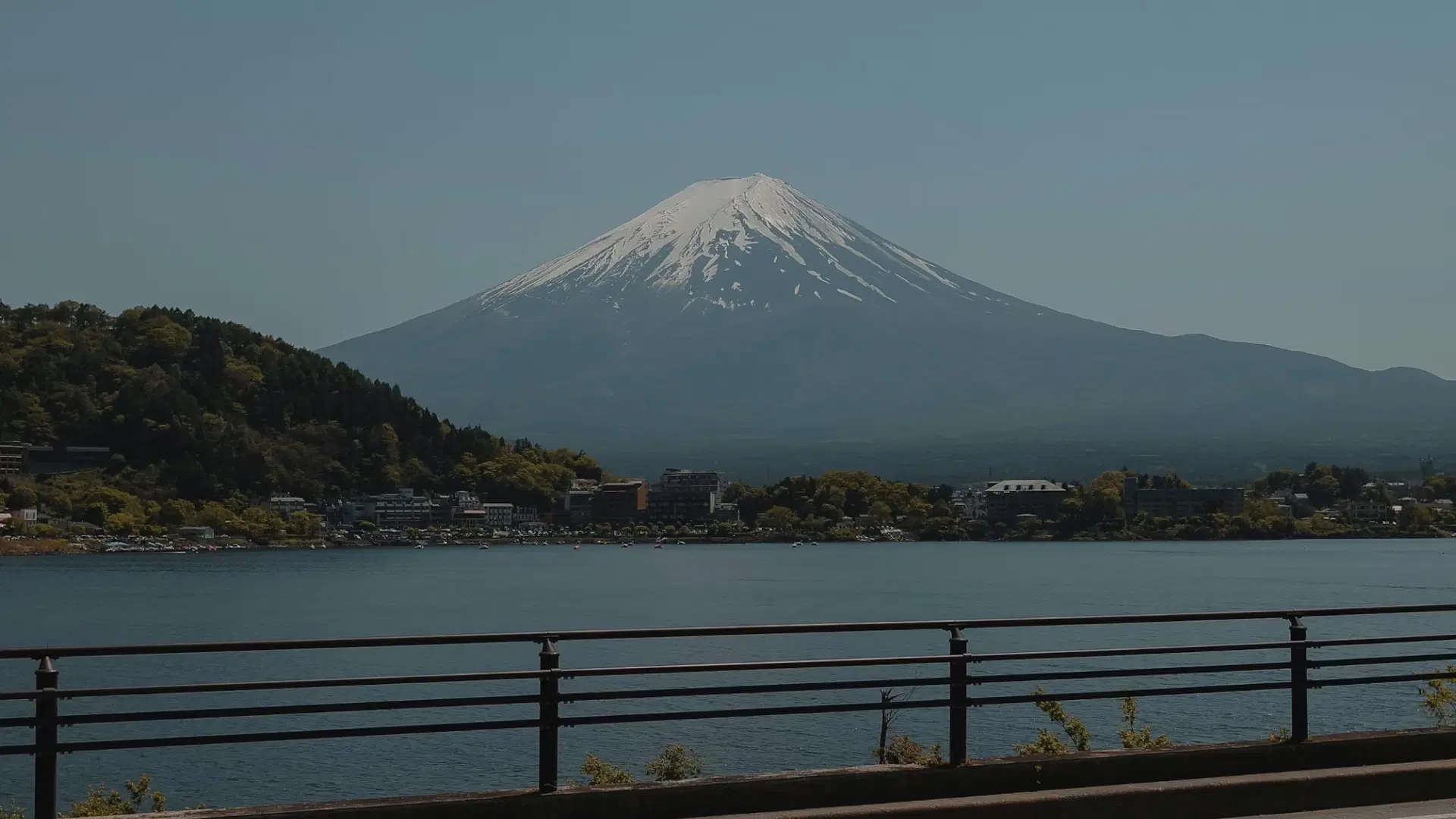
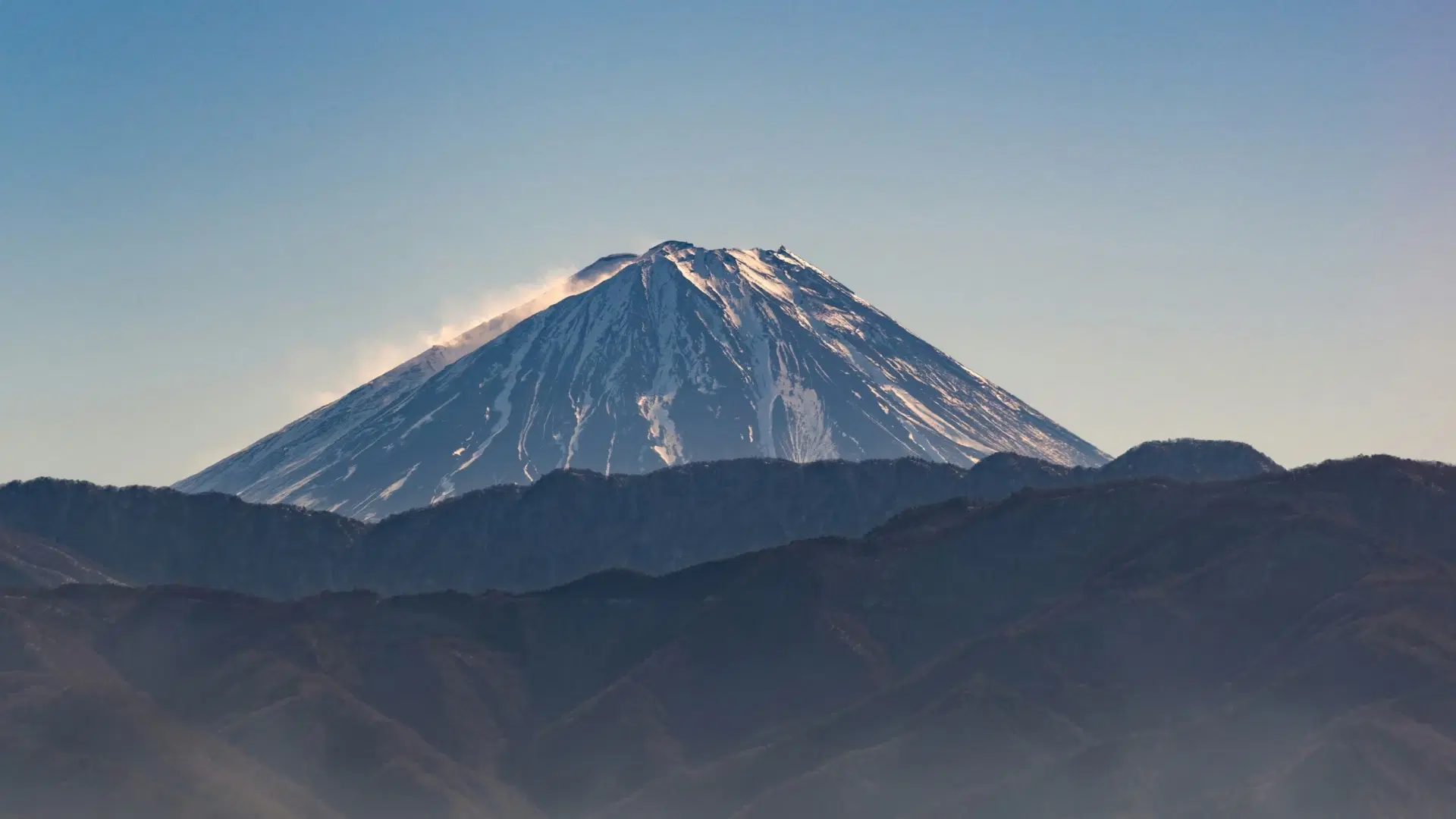
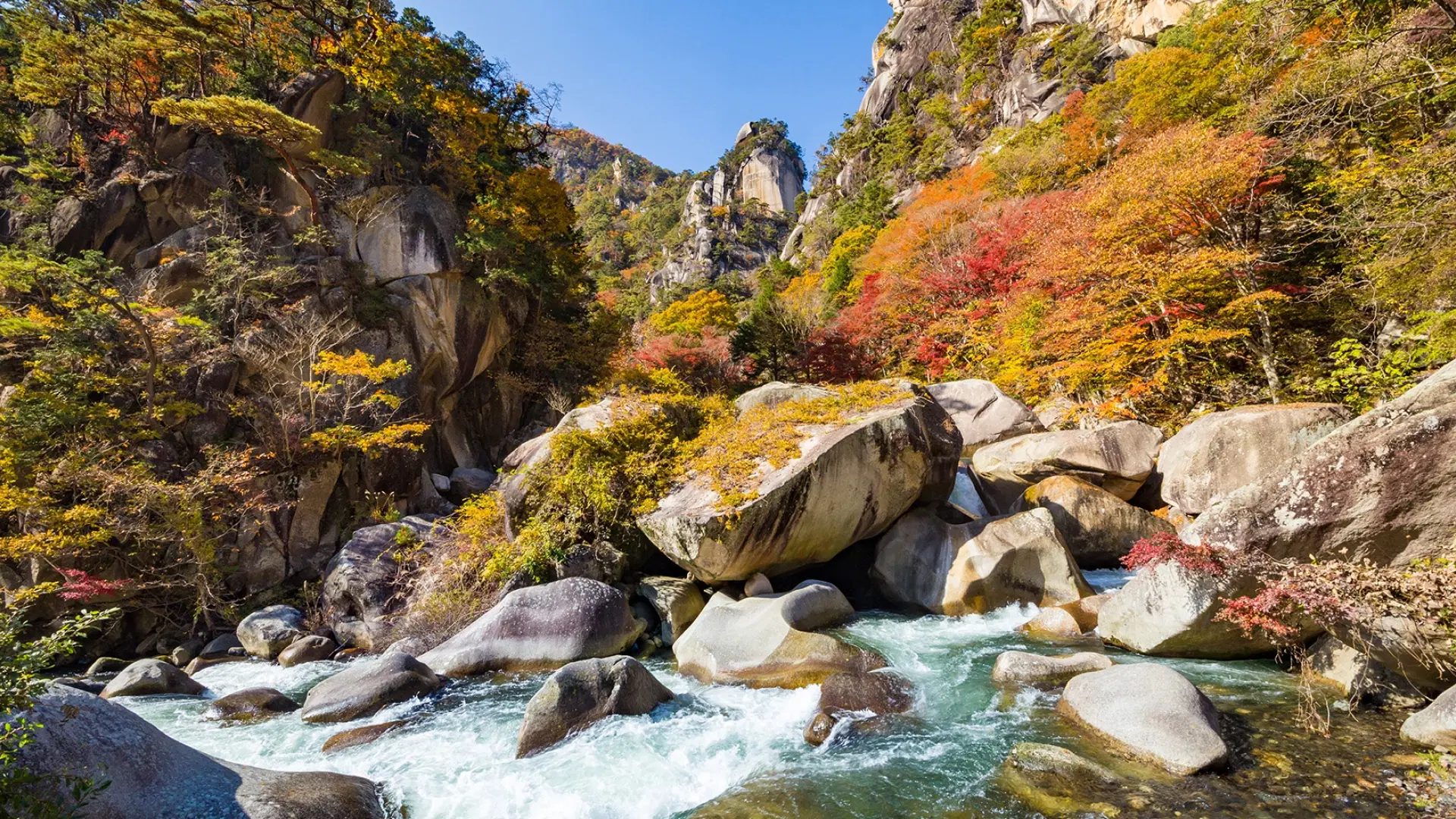
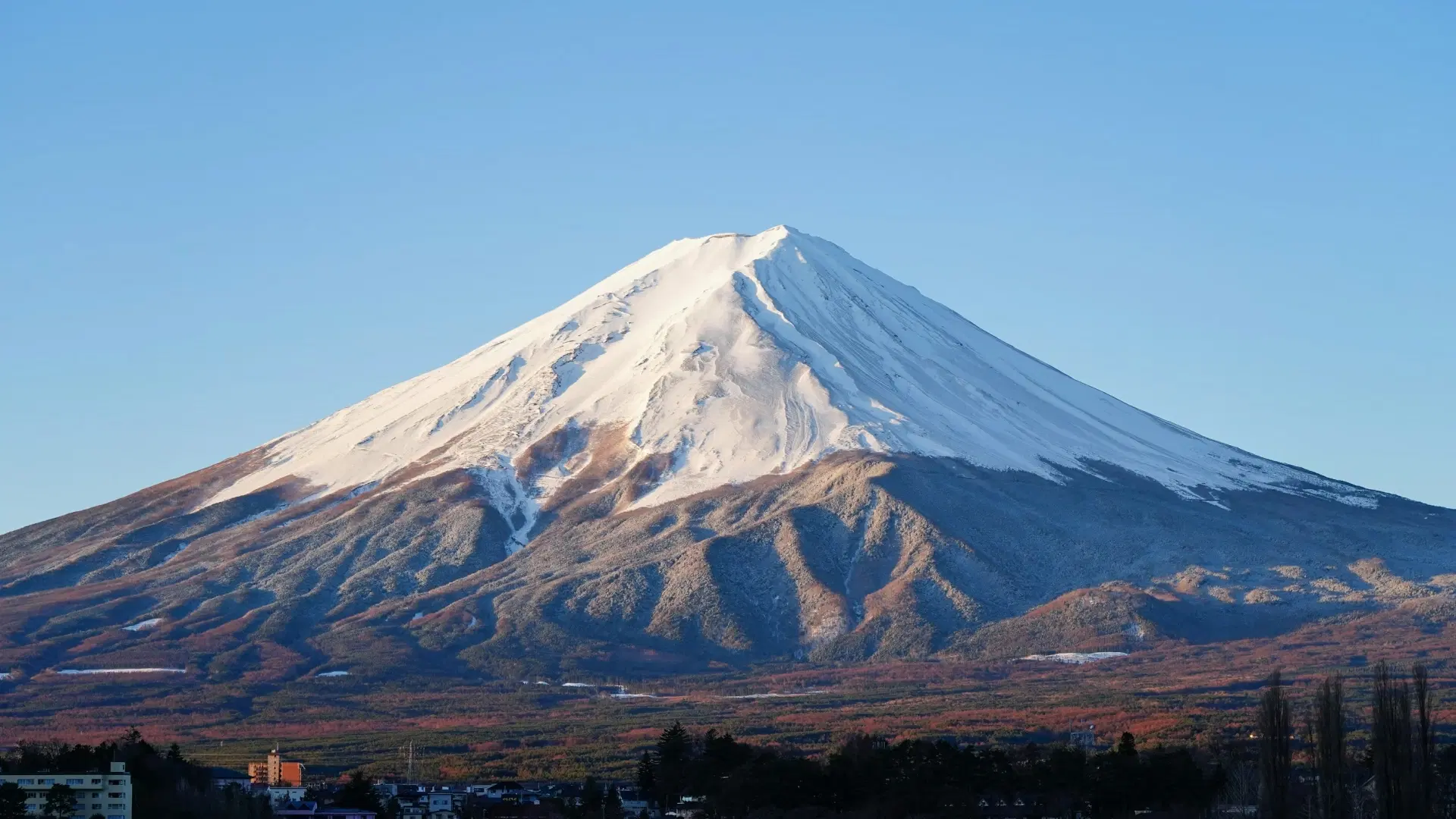
河口湖紅葉まつりThe Kawaguchiko Autumn Leaves Festival celebrates the moment when the northern shore of Lake Kawaguchiko ignites in the colors of Japanese autumn, the maple trees that line the Momiji Corridor transforming from green to gold to crimson in a progression that, set against the blue water of the lake and the snow-dusted cone of Mount Fuji, composes one of the most complete autumn landscapes in Japan. The festival, running throughout November, provides a framework of illuminations, food stalls, craft vendors, and cultural performances that enhance the natural spectacle without competing with it, understanding that the trees themselves are the main event.
The Momiji Corridor, a tunnel of Japanese maples approximately 150 meters long running along the lakeside road near the Kubota Itchiku Museum, is the festival's visual heart. When the leaves reach peak color, the canopy creates a cathedral of crimson through which light filters in warm, diffused shafts, the ground below carpeted with fallen leaves that crunch softly underfoot. The corridor is illuminated after sunset, the artificial light transforming the red and gold leaves into translucent panels that glow against the dark sky, an effect of such concentrated beauty that visitors often stand in silence, the normal impulse to photograph overwhelmed by the desire simply to be present.
The festival extends beyond the corridor to encompass the entire northern shore, where individual maples, gardens, and lakeside parks contribute to a landscape-scale display of autumn color. The combination of this foliage with the lake's still water, which reflects both the trees and the mountain beyond, doubles the visual impact and creates compositions that change with the angle of observation, the direction of the light, and the presence or absence of wind on the water's surface.
History & Significance
The Kawaguchiko Autumn Leaves Festival developed organically from the tradition of momijigari, autumn leaf viewing, that has been practiced in Japan since the Heian period. The maple trees along the northern shore were planted over decades by local residents and municipal authorities who recognized the potential of the lakeside setting as a foliage destination. The formal establishment of the festival, with its organized illumination, vendor market, and cultural programming, institutionalized what had previously been an informal seasonal gathering and provided the infrastructure needed to accommodate the growing number of visitors drawn to the area's autumn beauty.
The festival's growth has paralleled the broader development of the Fuji Five Lakes region as a year-round destination. Where the area was once primarily associated with summer recreation and Fuji climbing season, the autumn festival established November as a second peak, drawing visitors who discovered that the combination of autumn color, clear mountain air, and the increased probability of Fuji views made this season perhaps the finest for visiting the region.
What to Expect
The Momiji Corridor is the festival's centerpiece, and a slow walk through its length during the daytime reveals the full spectrum of autumn color, from the first yellows of early-turning varieties to the deep crimsons that mark the peak. The afternoon light, warm and low, penetrates the canopy at angles that illuminate individual leaves with an intensity that makes each one appear lit from within. The night illumination, which begins at sunset and continues until approximately 10 PM, offers a different experience entirely, the artificial light creating color contrasts that do not exist in daylight and imbuing the corridor with a theatrical quality that heightens the emotional impact.
The festival's craft and food market, set up along the lakeside near the corridor, offers local specialties including houtou, grilled foods, and autumn sweets alongside handcrafted goods from regional artisans. The market provides a casual atmosphere for resting between walks and sampling the flavors of the season, and several stalls offer warm drinks that sustain visitors through the cooler evening hours. Cultural performances, including traditional music and dance, take place at designated stages throughout the festival period.
The broader Kawaguchiko lakeside, walkable or accessible by rental bicycle, extends the autumn experience beyond the festival's core area. The Kubota Itchiku Art Museum, housing the extraordinary kimono art of its namesake creator, provides a cultural counterpoint to the natural beauty, and the numerous viewpoints along the northern and eastern shores offer Fuji compositions that incorporate autumn foliage in varying proportions.