Kofu
甲府Kofu sits in the center of the Kofu Basin, a broad, sun-warmed valley ringed by the Southern Alps to the west, the Chichibu Mountains to the east, and the slopes of Mount Fuji to the south, a geographic enclosure that creates both the region's distinctive climate and its historical sense of self-containment. The city was the seat of the Takeda clan, whose most famous lord, Takeda Shingen, governed the province of Kai from this basin with a strategic brilliance and an administrative vision that made his domain one of the most formidable in sixteenth-century Japan. Shingen's presence still saturates the city: his statue stands before the station, his castle ruins anchor the downtown, and his legacy of water management and flood control engineering continues to shape the agricultural landscape of the basin he governed.
The Kofu Basin's sheltered position and warm summers have made it the center of Japanese viticulture, and the vineyards that climb the eastern slopes toward Katsunuma produce wines that have begun to earn international recognition after more than a century of refinement. The Koshu grape, an indigenous variety believed to have arrived from the Caucasus via the Silk Road over a millennium ago, yields white wines of delicate acidity and mineral finesse that sommeliers in Tokyo, Paris, and New York are discovering as one of Japan's most distinctive contributions to the wine world. This viticultural identity, layered over the samurai heritage and the thermal spring culture that also define the city, gives Kofu a complexity that its modest size belies.
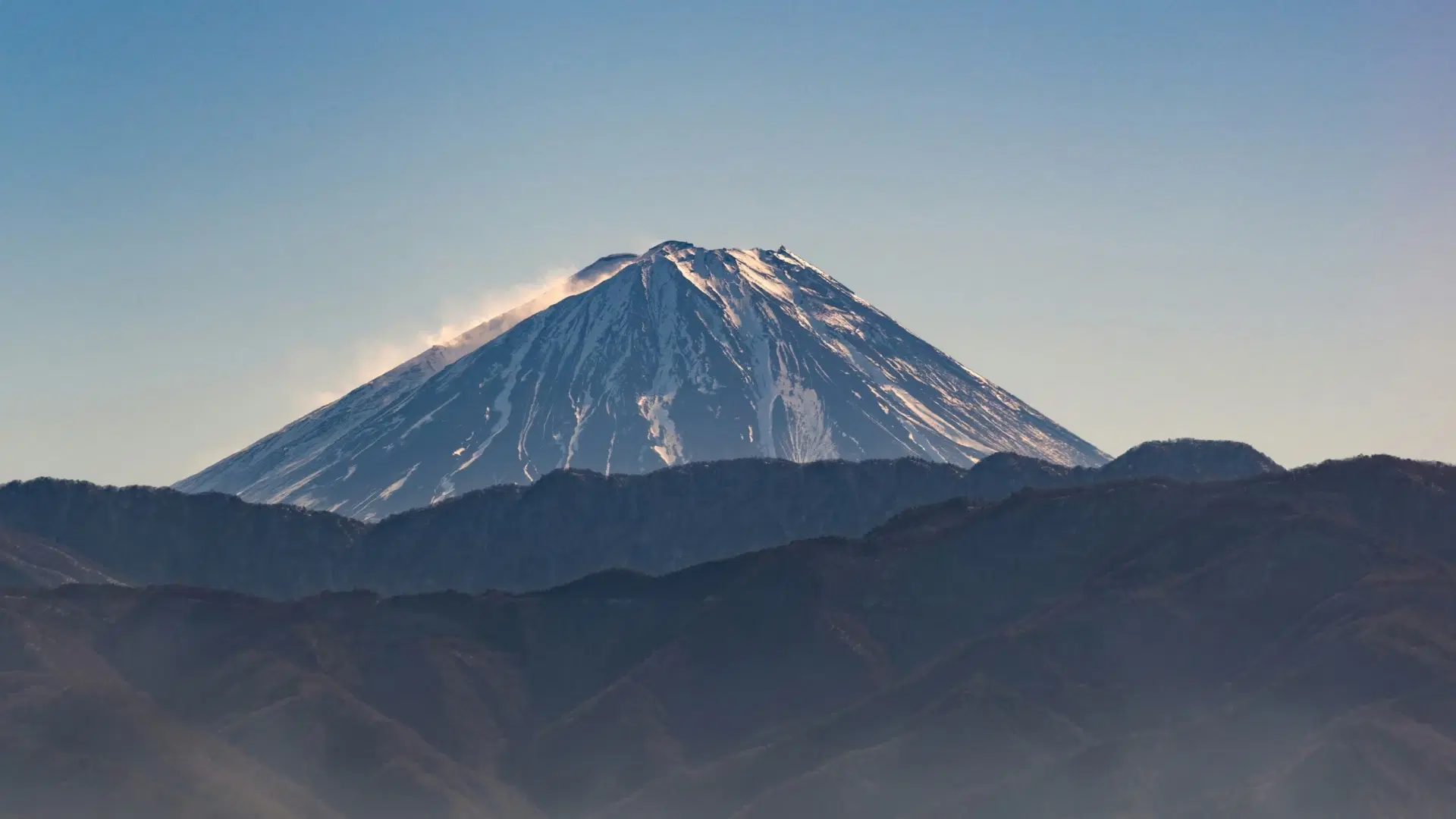
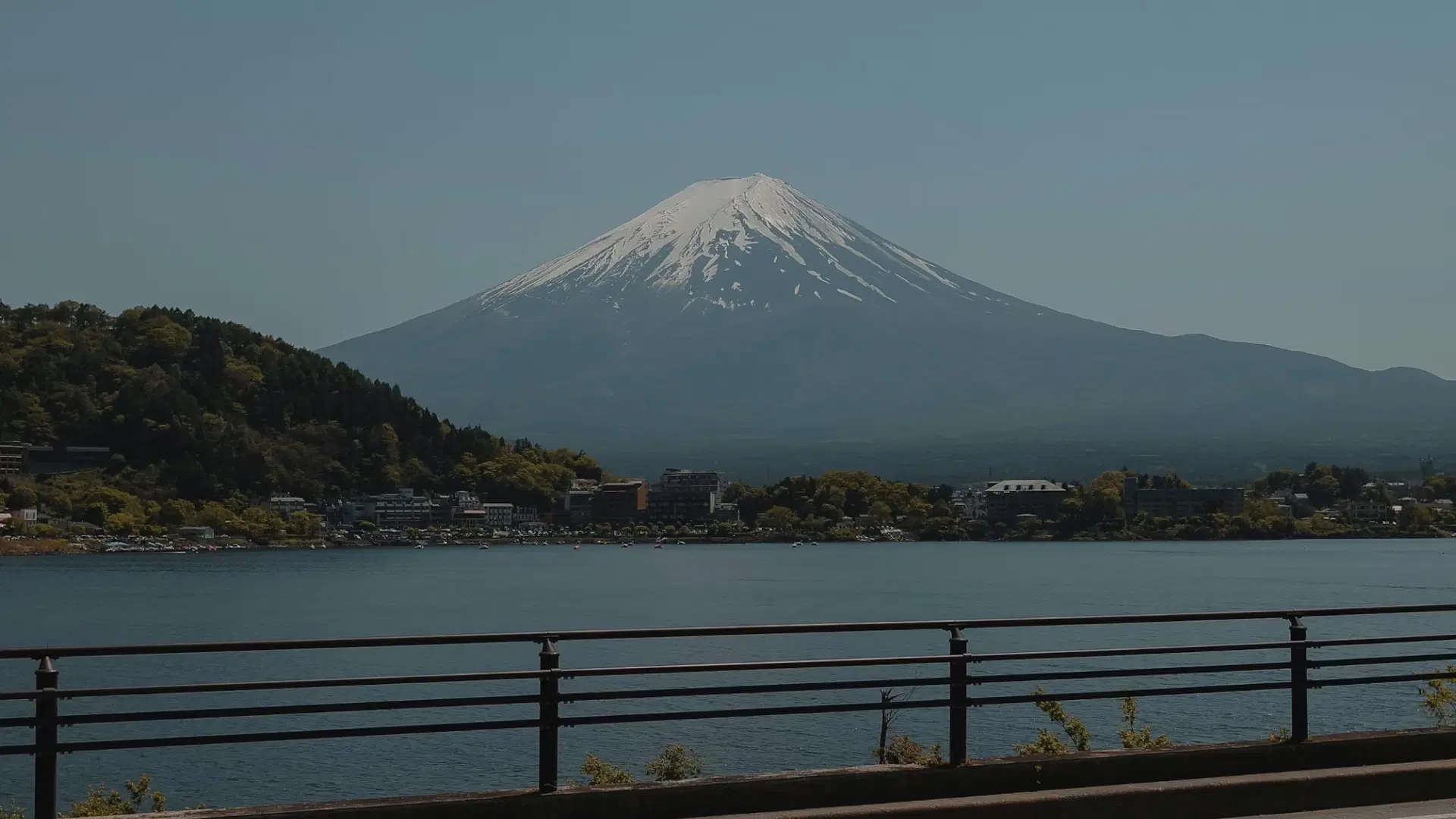
For the traveler, Kofu functions as a gateway to the mountain landscapes that surround it, but the city itself rewards a day's unhurried attention. The castle ruins of Maizuru Park offer panoramic views of the basin and, on clear days, of Fuji rising to the south. The Takeda Shrine, built on the site of Shingen's residential compound, preserves the atmosphere of a warrior's domain now softened by cedar and cherry trees. The city's onsen, fed by springs that emerge from the volcanic geology underlying the basin, provide the thermal relaxation that is never far from any experience in Yamanashi.
Highlights
Maizuru Castle Park occupies the ruins of Kofu Castle, also known as Maizuru-jo, whose massive stone walls were constructed in the late sixteenth century after the Takeda clan's fall. The walls themselves, built in the distinctive nozura-zumi style of rough-cut stone, are the principal attraction, their scale and craftsmanship testifying to the strategic importance of controlling the Kofu Basin. From the highest point of the ruins, the view encompasses the entire basin, the vineyard-covered slopes to the east, the urban grid of the city below, and the mountain walls that define the horizon in every direction. On clear mornings, Mount Fuji appears above the southern ridge with a suddenness that seems designed to reward those who climb.
The Takeda Shrine, fifteen minutes north of the station, is built on the site of Tsutsujigasaki-yakata, the fortified residence from which three generations of Takeda lords governed Kai Province. Unlike the stone castles that dominated later periods, the Takeda compound was a warrior's mansion surrounded by moats and earthworks rather than towers, and the shrine that now occupies the site preserves something of that understated authority. The surrounding moats are lined with cherry trees that create a spectacular canopy in spring, and the shrine's precincts house a museum of Takeda artifacts, including armor, weapons, and documents that illuminate the military and administrative genius of Shingen's rule.
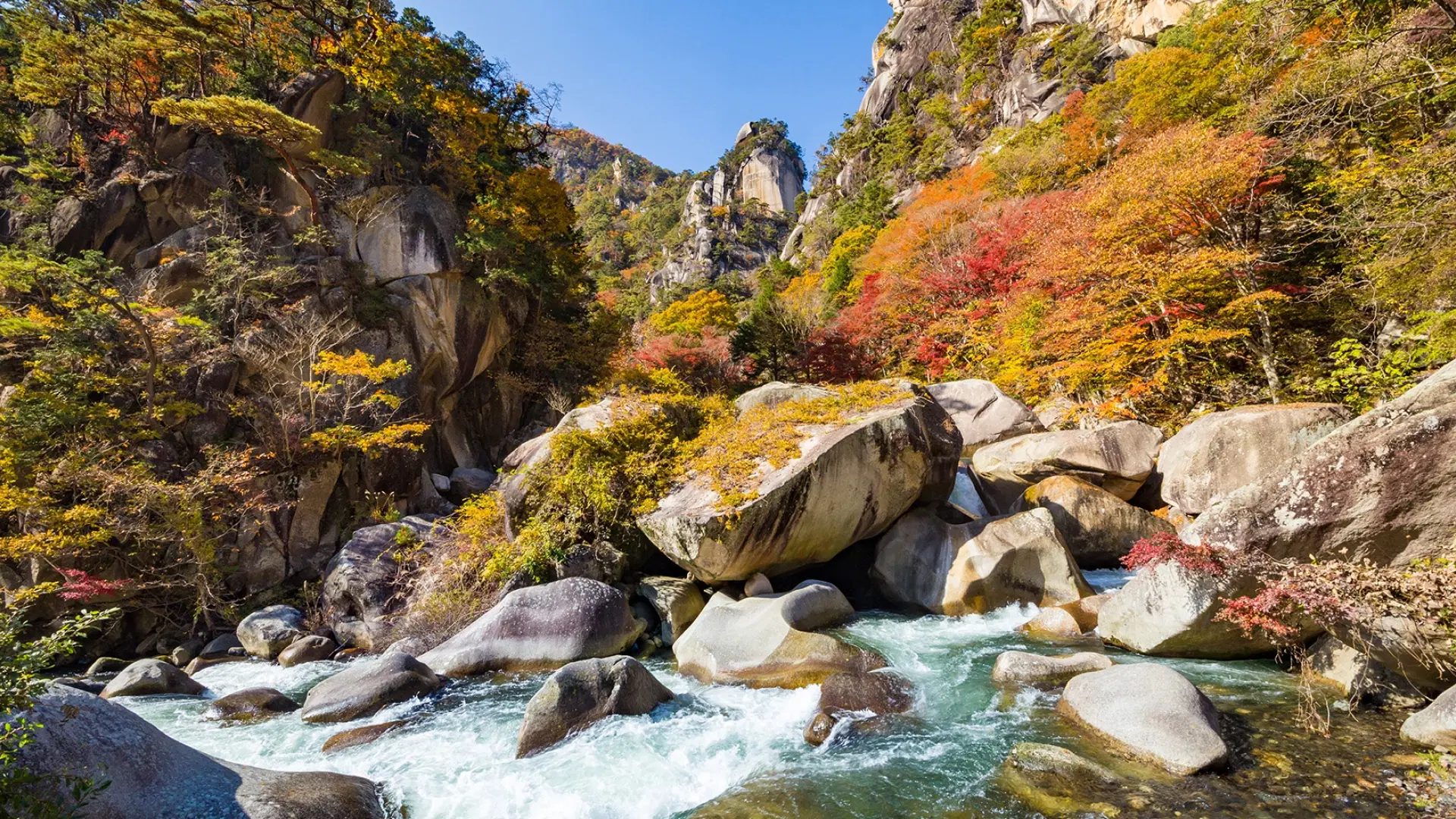
Shosenkyo Gorge, accessible by bus from Kofu Station, extends the city's appeal into the mountain landscape that defines the region. The gorge's granite formations, autumn foliage, and hiking trails provide a natural counterpoint to the historical and viticultural attractions of the basin floor, and the combination of morning in the gorge and afternoon in the vineyards creates a day that encompasses the full range of Yamanashi's character.
Culinary Scene
Kofu's culinary identity is anchored by houtou, the miso-simmered flat noodle dish that is to Yamanashi what ramen is to Hokkaido: a comfort food elevated by regional pride and generational refinement into something approaching art. The best houtou restaurants in Kofu prepare their miso broth from scratch, simmering vegetables and dashi for hours before adding the hand-cut noodles whose irregular thickness ensures that some emerge firm and others soft, creating textural variation within a single bowl. The pumpkin that traditionally crowns the pot breaks down during cooking, thickening the broth and adding a sweetness that balances the miso's salinity. Eating houtou in the Kofu Basin, where the dish has been prepared since the Sengoku period and where every restaurant has its own inherited recipe, is an encounter with a living culinary tradition rather than a heritage reproduction.
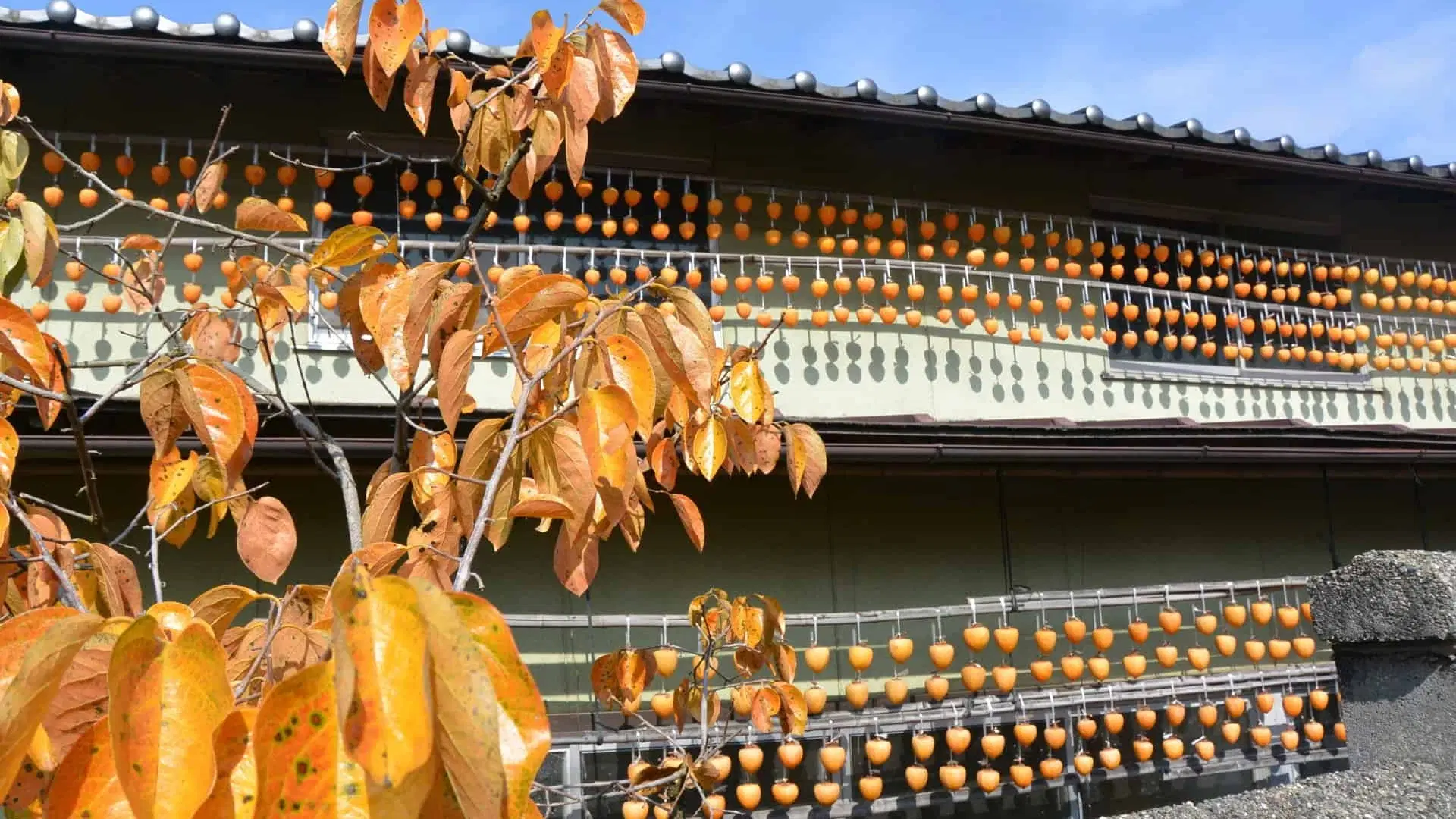
The basin's viticultural wealth extends to the table through pairings that would have seemed improbable a generation ago. Koshu wine, with its crystalline acidity and notes of citrus and white flower, accompanies local cuisine with a naturalness that reflects shared terroir: the same volcanic soils and mountain water that nourish the vines also feed the farms whose produce fills the kitchen. Kofu's proximity to the fruit orchards of the eastern basin ensures that seasonal fruit, peaches in summer, grapes in autumn, persimmons in late fall, appears in both dessert courses and as offerings at the roadside stands that line the routes to Katsunuma and beyond.
Ryokans in Yamanashi
There are no ryokans in our guide listed in Kofu. See our selection across Yamanashi.
View ryokans in Yamanashi