Fuji Shibazakura Festival
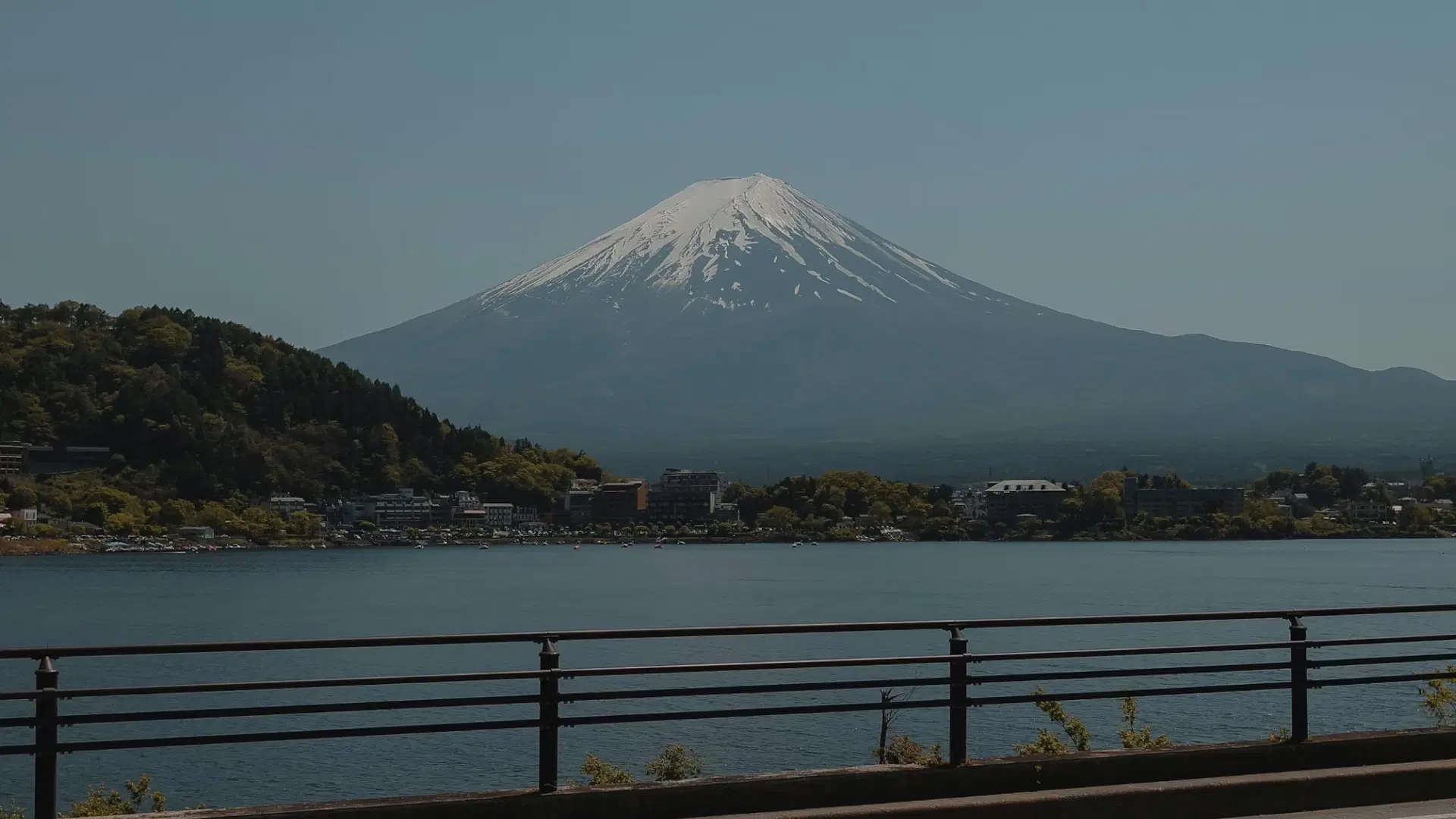
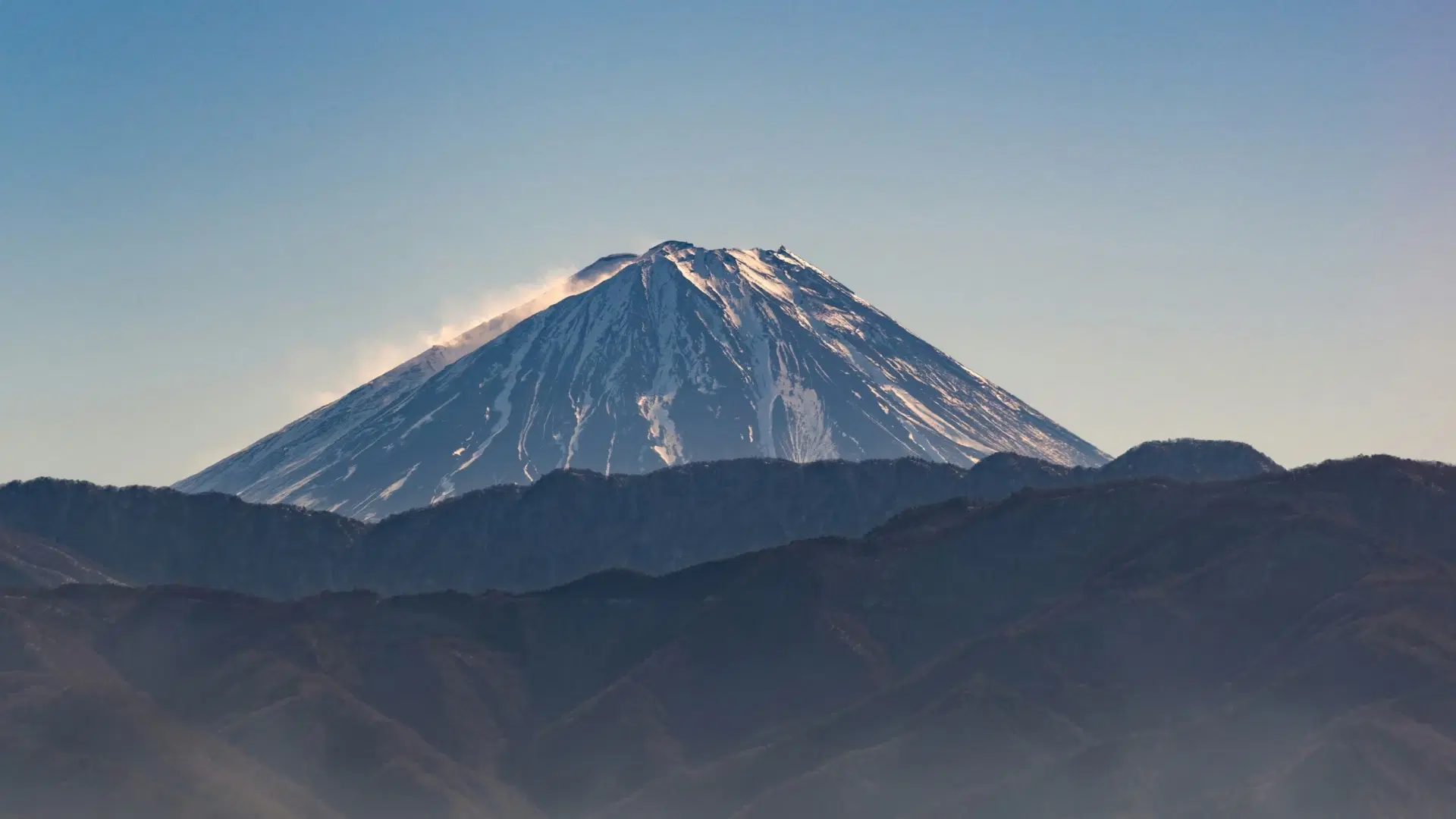
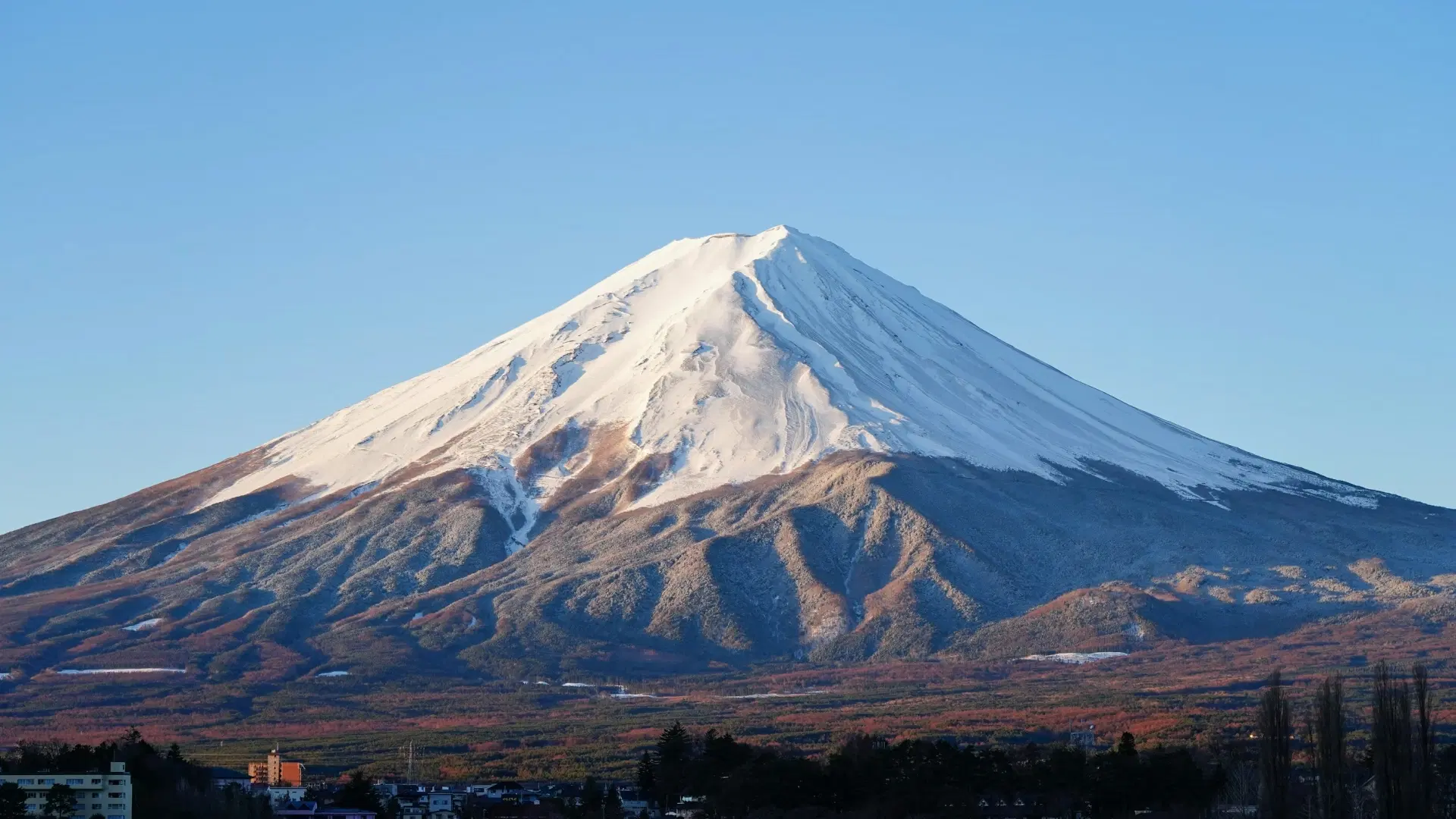
富士芝桜まつりThe Fuji Shibazakura Festival stages one of the most arresting color confrontations in the Japanese landscape calendar: approximately 500,000 moss phlox plants carpeting the ground in sheets of magenta, pink, white, and lavender at the base of Mount Fuji, whose snow-capped cone rises behind the flowers with the composed indifference of a subject that has been painted ten million times and remains, somehow, unprepared for. The shibazakura, a ground-cover plant whose dense blossoms open in spring and spread across the earth like spilled pigment, transforms the festival grounds at the southern shore of Lake Motosuko into a living canvas whose composition changes daily as different varieties reach peak bloom at different moments.
The festival site, located at an elevation that delays the bloom by several weeks compared to the lowland cherry blossoms, extends the Japanese spring flower season into May and offers a quality of spectacle that differs fundamentally from hanami. Where cherry blossom viewing is intimate and vertical, the eye following branches upward into canopies of pale pink, shibazakura is horizontal and vast, the gaze sweeping across acres of ground-level color toward the triangular culmination of Fuji. The effect is less garden than landscape painting brought to life, the mountain functioning as the compositional anchor around which the floral foreground arranges itself.
On clear mornings, when the air is still and the mountain's reflection appears in the nearby water, the scene achieves a perfection so complete it borders on the surreal. Photographers arrive before dawn to capture the first light on the flowers and the mountain, and the early hours, before the crowds thicken, offer the truest experience of the festival's beauty. As the day progresses, the atmosphere shifts from contemplative to festive, with food stalls, live performances, and the general energy of a Japanese spring celebration filling the grounds.
History & Significance
The Fuji Shibazakura Festival was established in 2008, making it a relatively recent addition to the Japanese flower festival calendar, but its rapid ascent to national and international prominence reflects the power of its visual proposition. The choice of location, at the base of Fuji near the western shore of Motosuko, was strategic, aligning the flower display with the most iconic mountain view in Japan and creating a destination that satisfies both the aesthetic hunger for spring color and the perennial desire to see Fuji from a new perspective.
The shibazakura themselves have a longer history in Japanese horticulture, prized as ground-cover plants whose dense growth and vivid blossoms provide both practical soil stabilization and ornamental beauty. The Chichibu region of Saitama has long been known for its shibazakura displays, and the Fuji festival drew on this existing cultivation tradition while scaling the planting to a level unprecedented in Japan. The festival's success has inspired similar large-scale flower displays across the country, but the combination of floral density and the Fuji backdrop remains unmatched.
What to Expect
The festival grounds are organized around a series of viewing areas and walking paths that guide visitors through the shibazakura displays, each section planted with different varieties whose bloom times are staggered to ensure continuous color throughout the festival period. The main viewing platform, positioned to frame the flowers with Fuji in the background, provides the quintessential photo opportunity, though the less crowded paths along the periphery of the grounds often yield equally compelling compositions. The variety of colors, from deep magenta through soft pink to pure white, creates natural gradients and patterns that the festival's designers have arranged with painterly intentionality.
The festival's food area, Mt. Fuji Delicious Foods Festival, offers an extensive selection of regional specialties that make the visit a culinary experience as well as a visual one. Fujiyoshida udon, the thick, chewy noodles that are the local signature, are served at multiple stalls alongside houtou, Kofu's miso-simmered noodle stew, and a variety of preparations using local ingredients. The food area is positioned with views of both the flowers and the mountain, allowing visitors to eat in the landscape rather than merely beside it.
The bloom progression follows the warming temperatures, with the earliest varieties opening in mid-April and the latest persisting into late May. Peak bloom for the majority of varieties typically falls in the last week of April through mid-May, though this varies by year. The festival publishes daily bloom updates, and timing a visit to coincide with full bloom and clear weather requires a combination of planning and fortune.