Shosenkyo
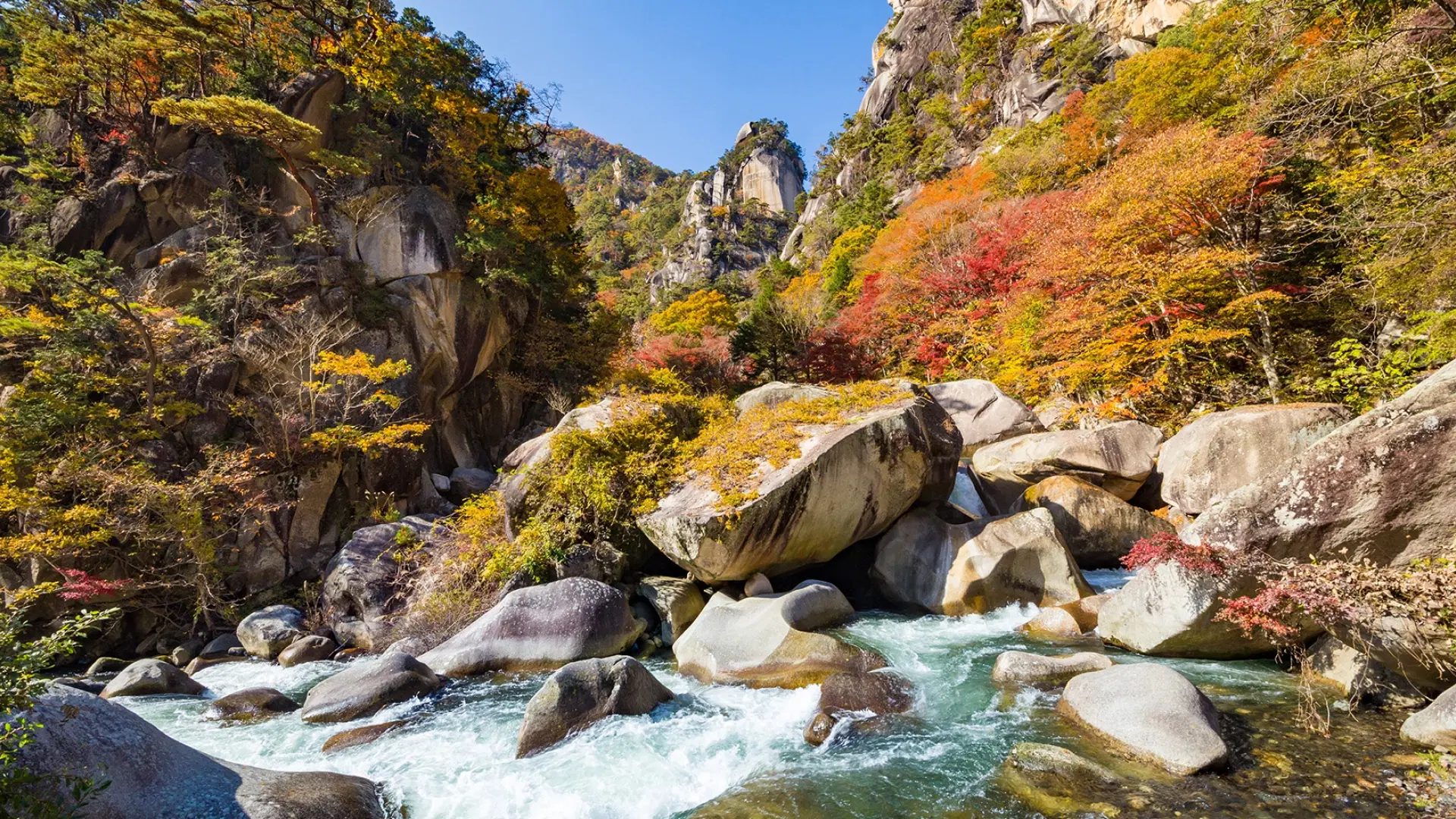
昇仙峡Shosenkyo is the gorge that the scholar and the mountain god carved together, a five-kilometer corridor of granite cliffs, cascading water, and ancient forest that cuts through the northern rim of the Kofu Basin with a drama that earned it designation as one of Japan's most beautiful gorges. The name, which translates to "Gorge of the Ascending Immortals," derives from a Taoist legend in which a sage achieved transcendence by ascending the cliffs, and the landscape's vertical energy, its towers of pale granite rising above a river that alternately thunders and whispers, lends credibility to the myth. This is terrain that seems to lift the traveler upward simply by existing.
The gorge was opened as a scenic route in the early nineteenth century, when a local monk spent thirty years cutting a path along the Arakawa River to connect the basin communities with the mountain settlements beyond. That path, improved and widened over two centuries but still following its original course, now constitutes one of the finest walking routes in central Japan, its progression from a broad riverbed through narrowing walls of granite to the climactic Sengataki waterfall composing a narrative arc as satisfying as any designed garden stroll. The gorge is, in effect, a natural garden whose designer was geological time, its formations the result of millions of years of erosion working on the Chichibu granite that underlies this section of the mountains.
The geological story is legible in the rock itself. The granite, intruded into older metamorphic rock during the Cretaceous period, has been sculpted by water and frost into formations whose names, Kakuenbo, the Overlapping Screens; Ishimon, the Stone Gate; Tenguiwa, the Tengu Rock, describe the fanciful shapes that erosion has produced. These formations are not merely picturesque but geologically significant, their variety of form demonstrating the differential weathering patterns that occur when granite of varying grain size and composition is exposed to the same erosive forces over deep time.
Shosenkyo is the gorge that the scholar and the mountain god carved together, a five-kilometer corridor of granite cliffs, cascading water, and ancient forest that cuts through the northern rim of the Kofu Basin with a drama that earned it designation as one of Japan's most beautiful gorges.
Highlights
The walking path through Shosenkyo begins at the lower entrance, where the Arakawa River runs broad and shallow through a landscape of boulders and riverside forest, and ascends gradually through a series of encounters with increasingly dramatic rock formations. Kakuenbo, the Overlapping Screens, is a wall of granite slabs stacked at angles that suggest a giant's game of cards interrupted and abandoned. Ishimon, the Stone Gate, frames the river in an arch of natural rock that narrows the path and the view simultaneously, creating a threshold beyond which the gorge deepens and the cliffs grow taller. Each formation has been named and annotated in the Japanese tradition of landscape appreciation, the names functioning as interpretive lenses that guide the walker's attention and imagination.
Sengataki, the principal waterfall at the gorge's upper end, drops thirty meters over a granite ledge in a single column of white water whose force has carved a deep pool at its base. The falls are most powerful in late spring, when snowmelt from the surrounding mountains swells the river, and in the aftermath of typhoons, when the water volume increases dramatically. A viewing platform at the base provides a direct confrontation with the falls' power, the spray reaching visitors on windy days and the sound filling the gorge with a constant, enveloping roar.
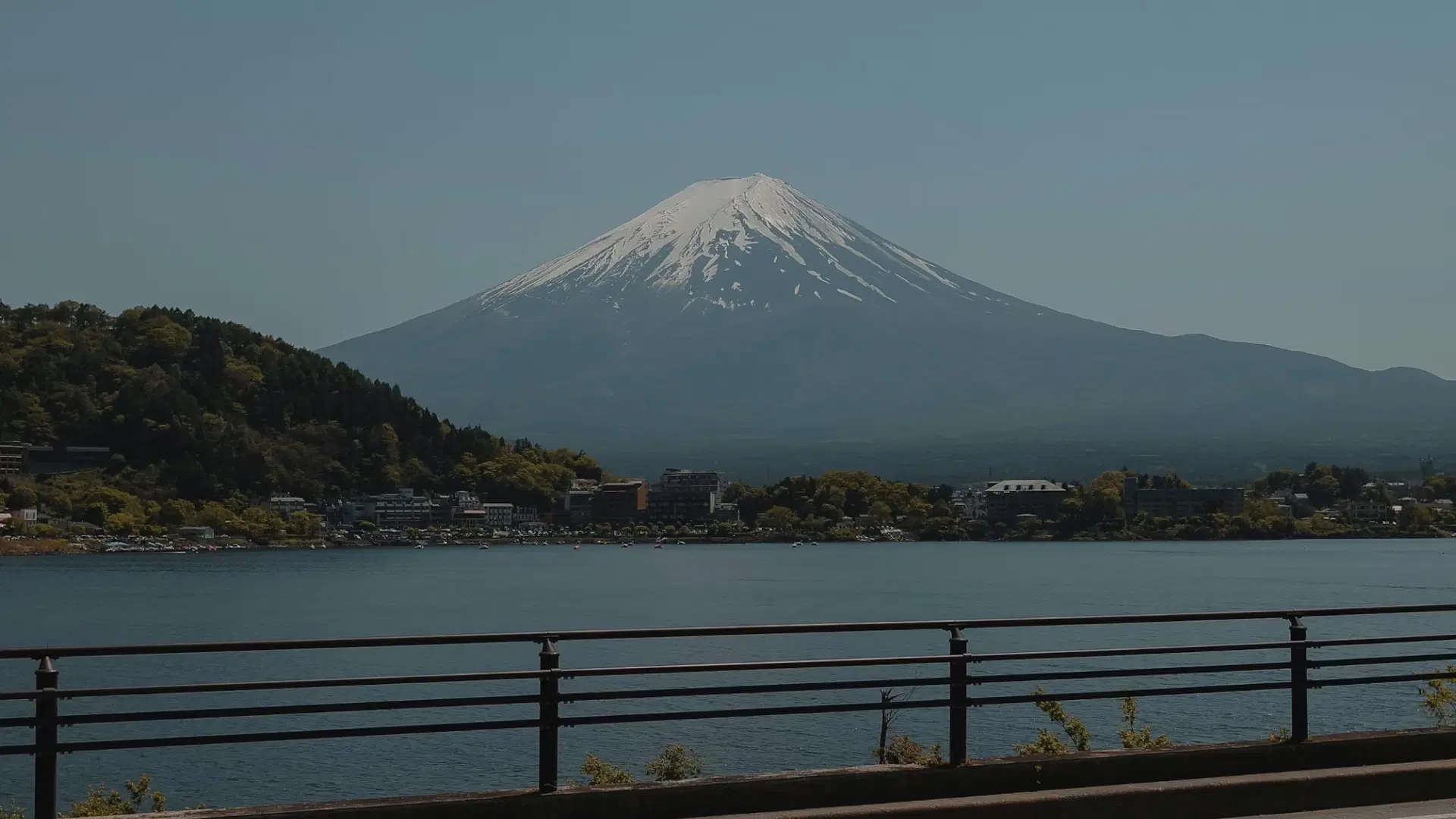
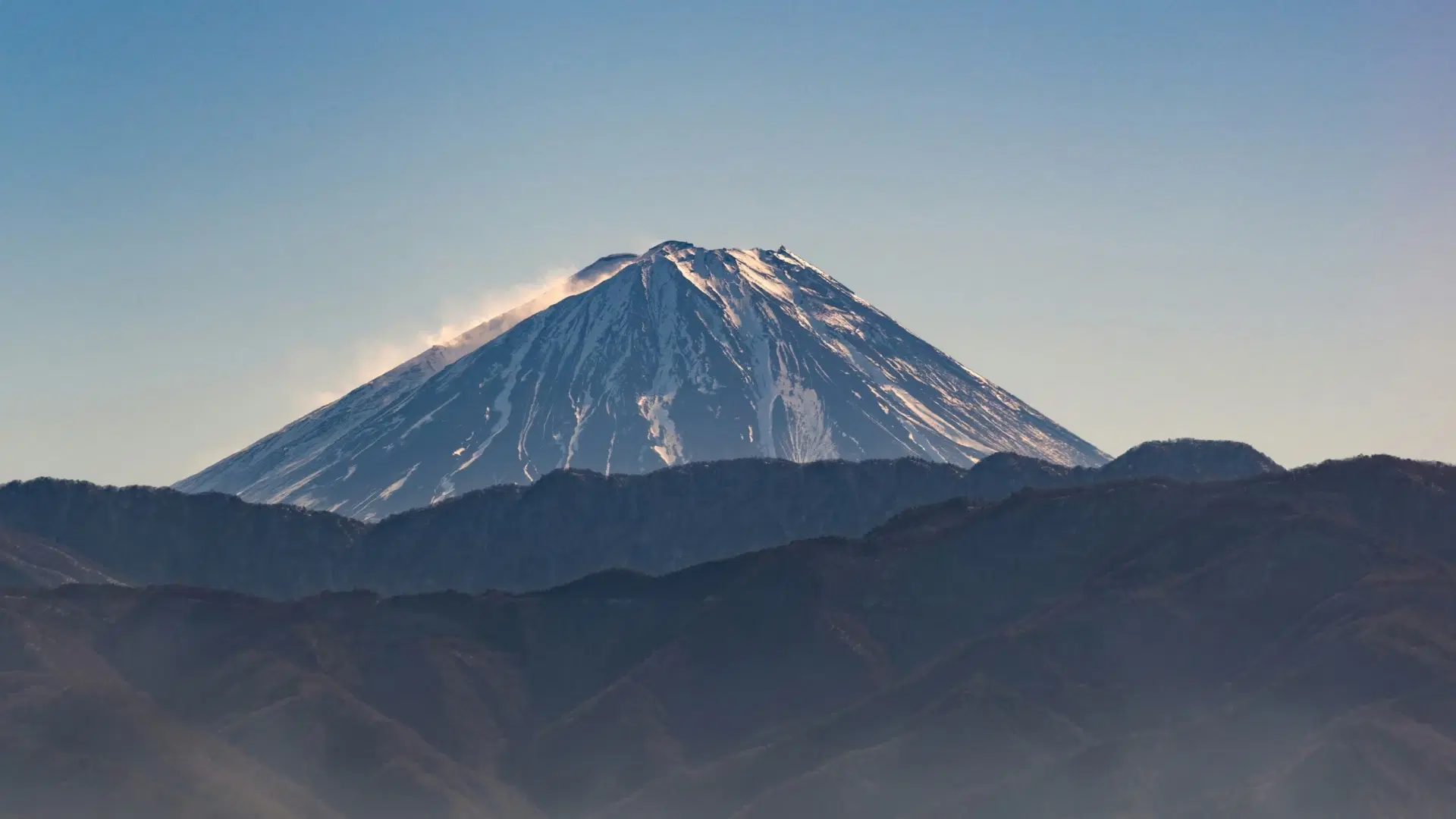
The Shosenkyo Ropeway, operating from a station near the upper gorge, ascends to the summit of Mount Rakanji, where an observation deck provides panoramic views of the Southern Alps, Mount Fuji, and the Kofu Basin spread below. On clear days, the vista extends from the snow-capped ridge of the Akaishi Mountains to the geometric cone of Fuji, the two landmarks framing a landscape that encompasses the full geological diversity of Yamanashi Prefecture.
Culinary Scene
The gorge area's dining options center on the mountain cuisine of the Chichibu region, with particular emphasis on soba noodles made from buckwheat grown in the surrounding highlands. The soba shops along the approach road and within the gorge serve handmade noodles whose flavor carries the nutty, slightly mineral character of highland-grown grain, a quality that distinguishes mountain soba from the milder varieties of the lowlands. Iwana, char caught in the Arakawa River and its tributaries, is grilled whole over charcoal and served on skewers as a smoky, delicate counterpoint to the heartier noodle dishes.
The gorge area is also known for its crystal and gemstone shops, a legacy of the quartz mining that once supplemented the local economy, and the teahouses interspersed among these shops serve wagashi and matcha that provide restful pauses along the walking route. Kofu's houtou restaurants, accessible by bus from the gorge, offer the warming noodle stew that is the basin's definitive comfort food, an ideal conclusion to a day spent in the mountain air.
Ryokans in Yamanashi
There are no ryokans in our guide listed in Shosenkyo. See our selection across Yamanashi.
View ryokans in Yamanashi