Fuji Five Lakes
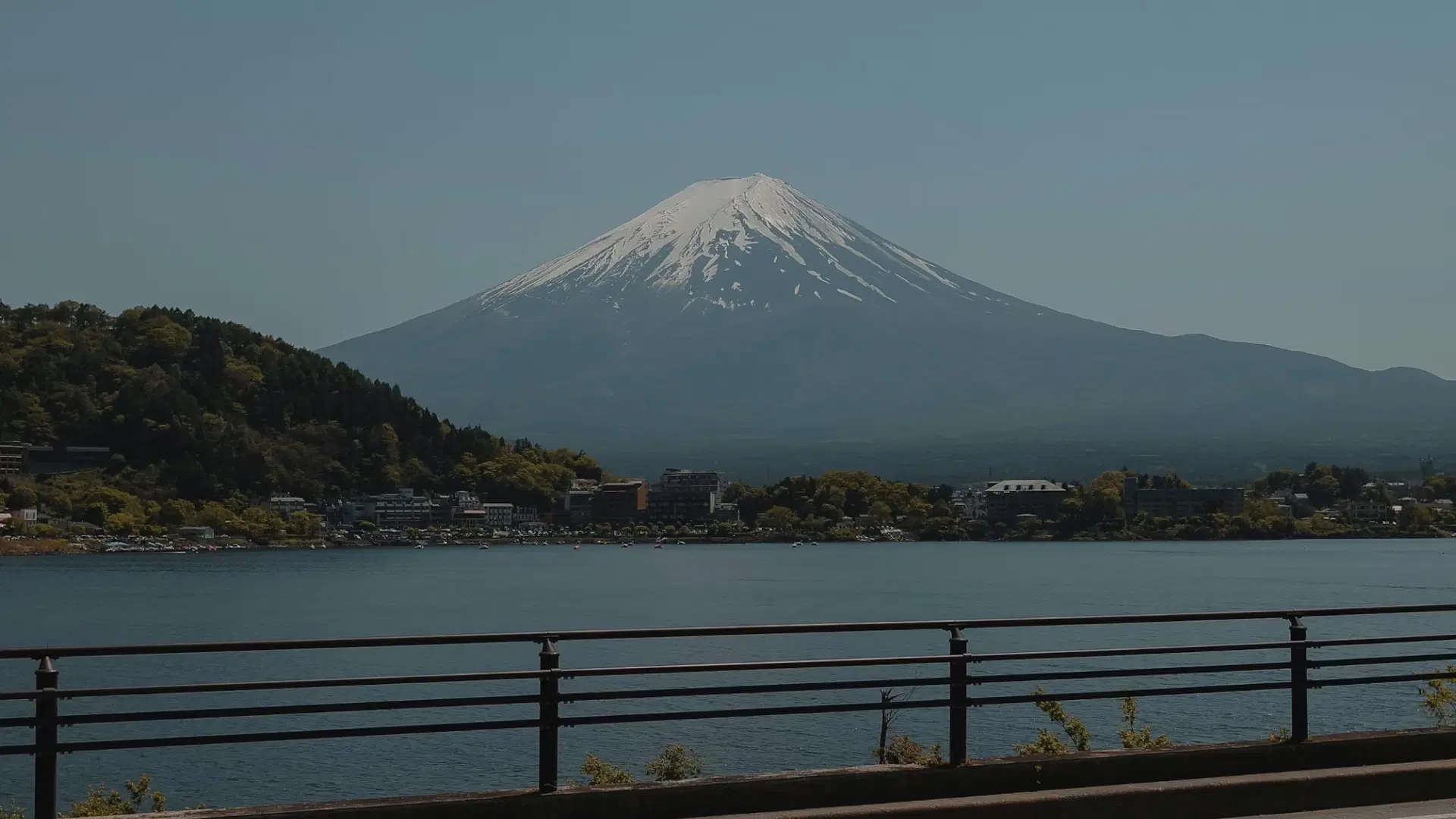
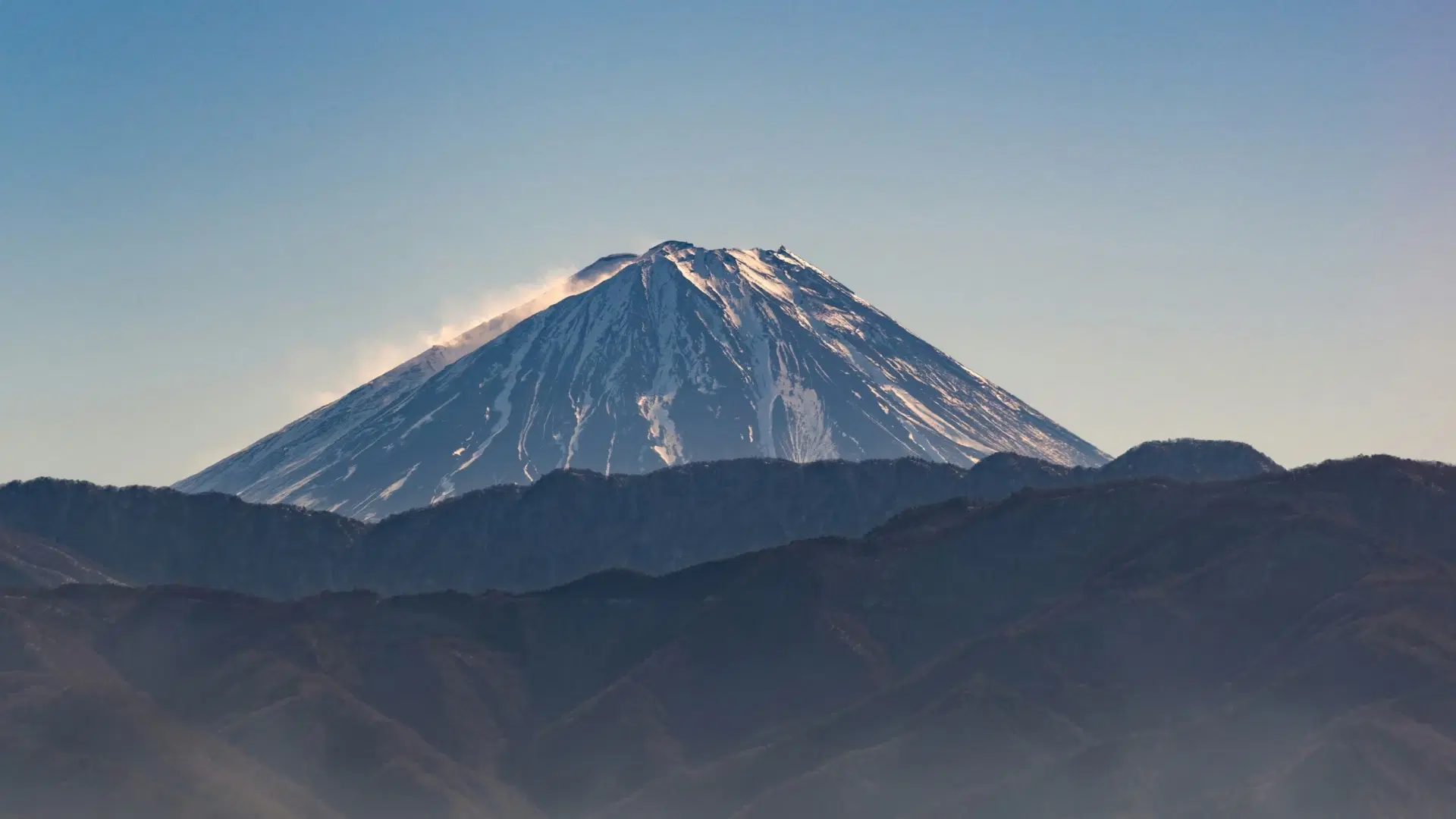
富士五湖The Fuji Five Lakes occupy the northern base of Mount Fuji like a necklace of still water draped across volcanic terrain, each lake reflecting the mountain from a different angle and at a different scale, so that the traveler who circles through them encounters not one Fuji but five distinct portraits of the most recognized peak on earth. Kawaguchiko, the most accessible and developed, offers postcard views from its northern shore where the mountain rises directly across the water in a symmetry that seems almost theatrical. Yamanakako, the largest, spreads at the highest elevation with an openness that reveals Fuji as a presence felt across the entire landscape rather than a framed vista. Saiko, Shojiko, and Motosuko retreat westward into increasingly wild terrain, their shores less developed and their relationship with the mountain more intimate, the views gained through forest clearings and lakeside trails that reward patience rather than convenience.
The geological story of this landscape is written in lava. The lakes were formed when volcanic eruptions from Fuji and its satellite vents dammed river valleys with flows of molten rock, creating basins that filled with snowmelt and rainwater over millennia. The surrounding forests, including the infamous Aokigahara, grow atop lava fields whose porous surface absorbs rainfall before it can form streams, creating a silent, moss-carpeted woodland unlike any other in Japan. This volcanic geology gives the region its distinctive character: the black rock beaches, the ice caves formed in lava tubes, the springs of snowmelt that emerge from the mountain's base with a clarity and coldness that suggest they have passed through the earth itself.
For travelers approaching from Tokyo, the Five Lakes region represents the nearest encounter with the kind of landscape that the Japanese aesthetic tradition calls furusato, the archetypal countryside of memory and longing. The combination of water, mountain, forest, and sky, rendered on a scale that is grand without being overwhelming, creates a setting that has drawn artists, poets, pilgrims, and seekers of mountain air since long before tourism existed as a concept. That the mountain presiding over this landscape is Fuji, the spiritual axis of the Japanese imagination, elevates the experience from scenic appreciation to something closer to encounter.
Highlights
Kawaguchiko's northern shore provides the most celebrated views of Mount Fuji, particularly from the Ubuyagasaki peninsula, where the mountain rises above a foreground of lake and sky with the geometric perfection that has made it the most depicted natural form in the history of Japanese art. The Kawaguchiko Music Forest, an open-air museum of antique music boxes and automated instruments set in European-style gardens, occupies the lakeside in a setting that juxtaposes Western musical mechanics with the most Japanese of mountain views. The Chureito Pagoda, a five-storied memorial pagoda reached by 398 steps above Arakurayama Sengen Shrine, frames Fuji behind a foreground of vermilion architecture and, in spring, cascading cherry blossoms, composing one of the most photographed scenes in Japan.
Motosuko, the westernmost and deepest of the five lakes, offers the view of Fuji depicted on the current one-thousand-yen banknote, a composition in which the mountain rises above a calm lake surface flanked by forest. The view is best captured from the northwestern shore, where a short hike through woodland leads to a clearing that replicates the photographer Koyo Okada's original angle. The lake's depth, exceeding 120 meters, gives its water a cobalt blue transparency rare in Japanese lakes, and the relative absence of development preserves an atmosphere that the more accessible lakes have partially lost.
Saiko, the quietest of the five, lies at the edge of the Aokigahara forest, and its marshy western shore, designated as a natural monument for its wildlife habitat, provides a counterpoint to the volcanic austerity of the surrounding terrain. The Saiko Iyashi no Sato Nenba, a reconstructed thatched-roof village on the lake's western shore, recreates the traditional architecture of the farming communities that existed in this area before a typhoon destroyed the original settlement in 1966. The village's craft workshops and galleries occupy the restored buildings, offering encounters with papermaking, weaving, and pottery against a backdrop of lake and mountain that contextualizes these traditional arts within the landscape that produced them.
Culinary Scene
The Fuji Five Lakes region's culinary identity draws from the mountain, the lake, and the volcanic terrain that connects them. Houtou, the thick, flat wheat noodles simmered in miso broth with pumpkin, mushrooms, and seasonal vegetables, is the signature dish, a preparation whose hearty warmth reflects the mountainous climate and whose simplicity belies the depth of flavor that a properly prepared pot achieves. The dish has been made in this region since the time of the Takeda clan, whose samurai are said to have prepared it in the field during military campaigns, and the houtou shops that line the roads around Kawaguchiko serve variations that range from faithful tradition to contemporary interpretation.
Fujizakura pork, raised in the highlands around the mountain's base, and Koshu wine from the vineyards of nearby Katsunuma contribute to a regional pantry that is richer than the alpine setting might suggest. Local trout, cultivated in the cold, clean waters that flow from Fuji's snowmelt, appears as sashimi, grilled whole over charcoal, or smoked in preparations that highlight the fish's delicate flesh. The region's confectionery tradition favors preparations using Fuji's spring water and local fruits, particularly the grapes and peaches for which Yamanashi is renowned, and the roadside stands selling fresh fruit in season offer some of the finest specimens available anywhere in Japan.
Ryokans in Yamanashi
There are no ryokans in our guide listed in Fuji Five Lakes. See our selection across Yamanashi.
View ryokans in Yamanashi