Numata Tengu Festival
沼田天狗まつりThe Numata Tengu Festival celebrates the mountain spirit that has defined the identity of this castle town perched on a river terrace above the Tone River valley, a festival in which the long-nosed, red-faced tengu of Japanese folklore descends from the surrounding mountains to preside over a weekend of processions, taiko drumming, and communal celebration. The festival's centerpiece is a massive tengu mask, one of the largest in Japan, carried through the town's streets on a platform by teams of bearers whose exertion under the weight of the enormous visage mirrors the formidable power attributed to the supernatural being it represents.
Numata's association with the tengu tradition reflects its geography. The town sits at the gateway to the mountainous interior of northern Gunma, where the peaks and forests of the Hotaka range and the Oze wetlands create a landscape of wild beauty that has historically inspired both reverence and unease. The tengu, creatures that inhabit the deep mountain forests and possess powers of flight, martial prowess, and supernatural knowledge, served in Japanese folk belief as guardians of the wilderness, figures whose fierce appearance concealed a capacity for wisdom and protection that rewarded those who approached the mountains with proper respect.
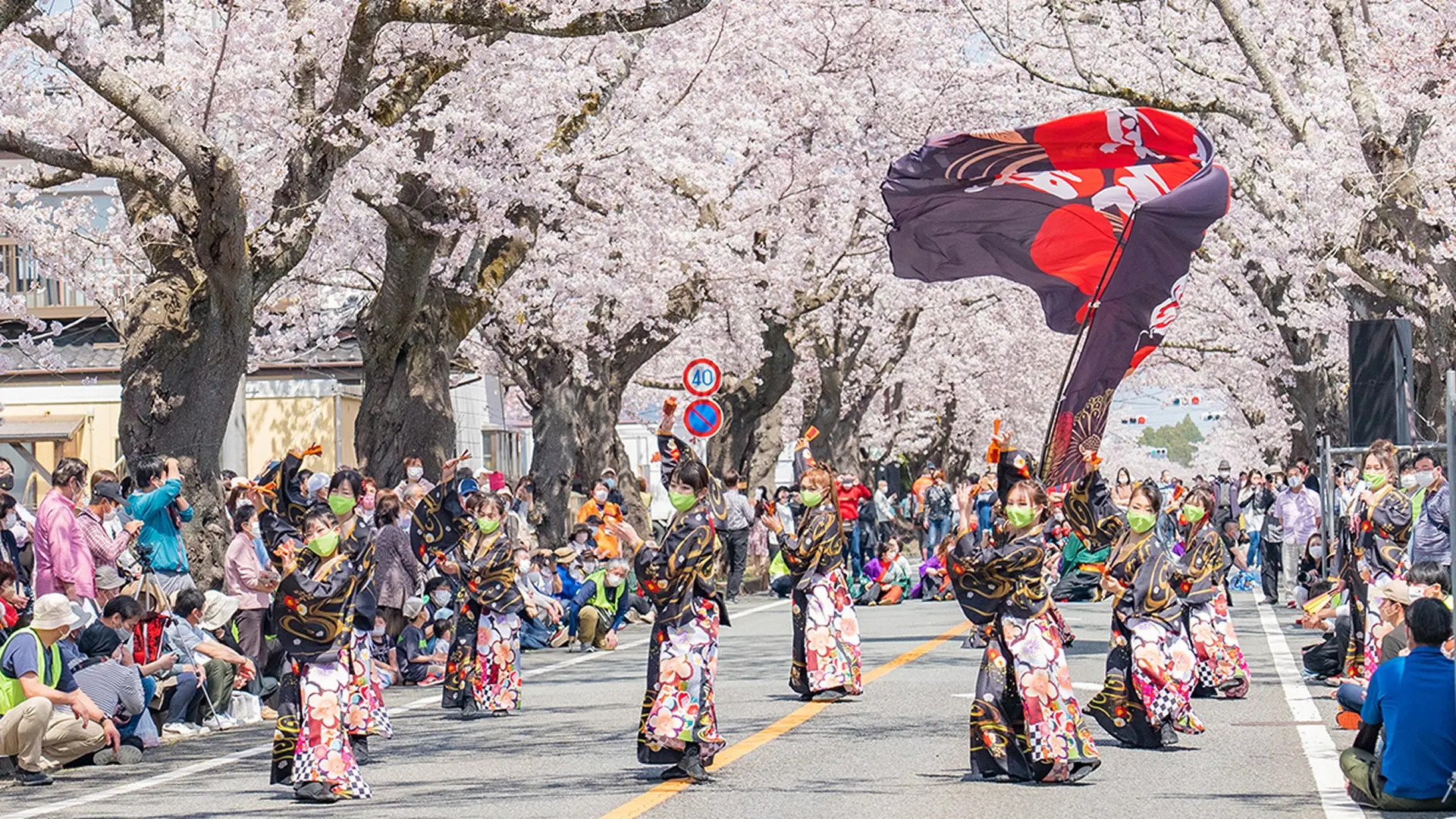
The festival transforms this folklore into living spectacle. Participants wearing tengu masks and costumes fill the streets alongside portable shrines and dance troupes, the procession moving through the town's elevated center with views of the surrounding mountains providing a constant reminder of the tengu's natural domain. The atmosphere balances the tengu's fearsome reputation with the festival's communal warmth, the terrifying masks coexisting with children's laughter, summer food stalls, and the convivial energy of a town that has turned its most formidable mythological resident into a beloved civic symbol.
History & Significance
Numata's tengu traditions are rooted in the mountain worship practices of the Shugendo ascetic tradition, which regarded the peaks and forests of northern Gunma as sites of spiritual power where practitioners could encounter supernatural beings, including tengu, through rigorous physical and spiritual discipline. The Tengu of Mount Kasho, a peak near Numata, was particularly revered, and the folklore surrounding this figure provided the foundation for the festival's modern incarnation.
The festival in its current form was established in the postwar period as a civic celebration that drew on Numata's tengu heritage to create a community event with a distinctive local character. The decision to construct an enormous tengu mask as the festival's central icon was both a practical solution to the challenge of creating a visually dominant festival element and a symbolic statement about the scale of the mythological forces that the mountain landscape embodies. The mask has been rebuilt and refined over the decades, each iteration maintaining the tengu's fierce red face and extraordinary nose while incorporating improvements in construction and portability.
What to Expect
The festival opens with the emergence of the great tengu mask from its storage shrine, a moment of theatrical revelation that draws cheers from the assembled crowd. The mask is mounted on a wheeled platform and drawn through the streets by teams of festival participants, its passage through the town's narrow lanes creating moments of dramatic proximity when the enormous face looms directly over the spectators lining the route. The accompanying procession includes smaller tengu figures, mikoshi bearers, taiko drum corps, and dance groups performing choreography inspired by the tengu's legendary martial arts prowess.
The taiko performances are among the festival's most compelling elements. Numata's drumming groups perform on stages set up along the parade route, their rhythms building from measured, ceremonial patterns to thunderous crescendos that echo off the surrounding hillsides. The physical intensity of taiko performance, the drummers' bodies fully engaged in the effort of producing sound, creates a visual and auditory spectacle that communicates raw energy in a form that requires no cultural translation.
The festival's food stalls offer summer specialties alongside local products from Numata's agricultural hinterland. Grilled sweetfish from the Tone River, fresh fruit from the surrounding orchards, and kakigori shaved ice flavored with locally produced syrups provide sustenance in the August heat. The town's elevated position, several hundred meters above the surrounding plains, offers slightly cooler temperatures and evening breezes that make the outdoor festival experience more comfortable than similar events in the lowlands.