Tomioka
富岡Tomioka is a quiet town in southwestern Gunma whose global significance far exceeds its modest appearance. The Tomioka Silk Mill, inscribed as a UNESCO World Heritage Site in 2014, was established here in 1872 as Japan's first modern mechanized silk-reeling factory, a cornerstone of the Meiji government's crash industrialization program. The decision to build it in Tomioka was practical: the surrounding Joshu region had centuries of sericulture experience, clean water flowed from the nearby mountains, and coal for the steam engines was available from local mines.
The mill's importance extends beyond industrial history. It represents a moment when Japan consciously transformed itself from a feudal agrarian society into a modern industrial power, and it did so by sending young women from samurai and farming families to work the reeling machines, a social revolution as significant as the technological one. The French engineer Paul Brunat supervised the construction and initial operations, and the brick buildings he designed, constructed using local materials and techniques adapted to Japanese conditions, still stand in remarkable condition.
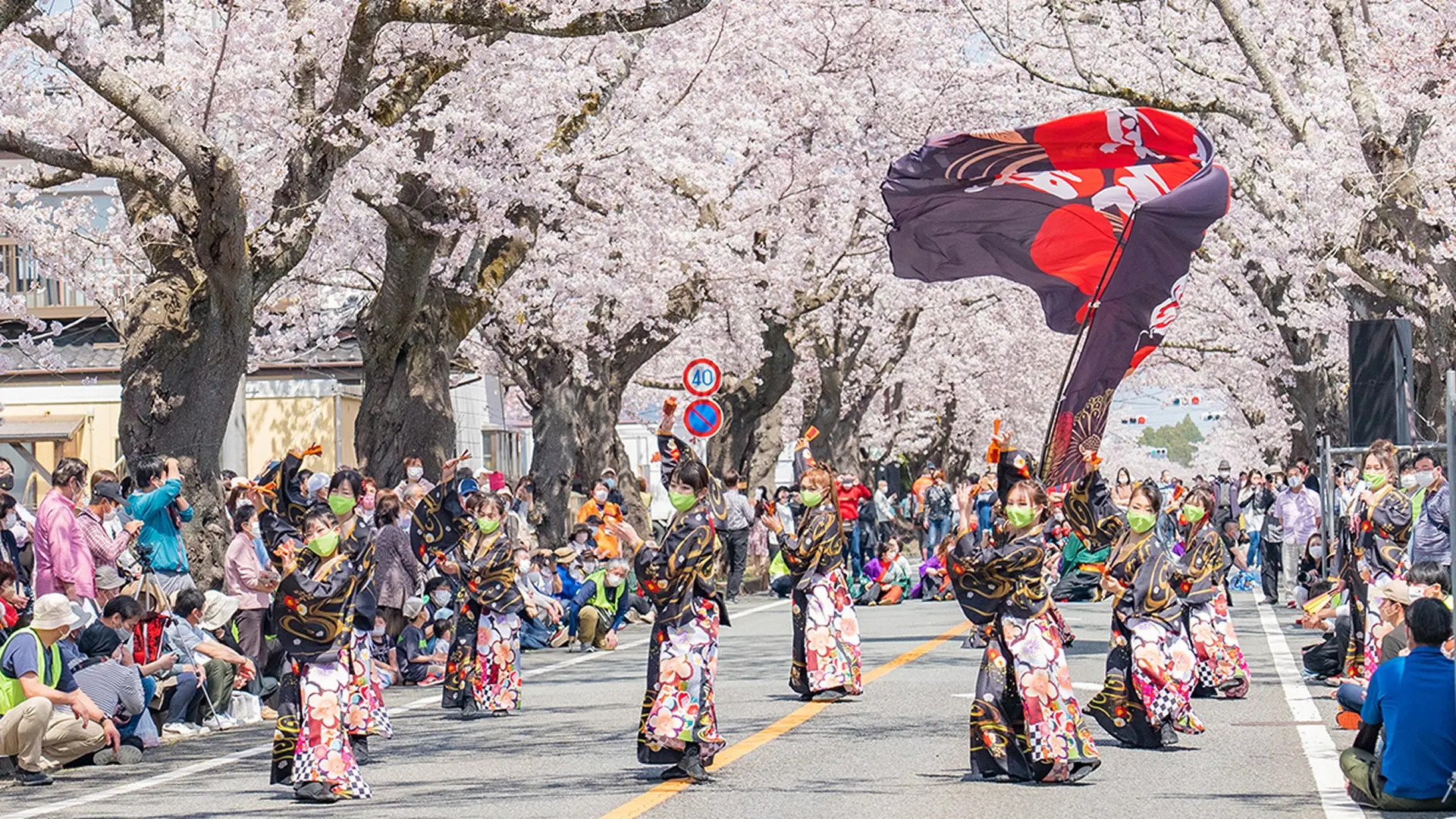
Tomioka itself retains a Meiji-era character that larger cities have lost. The streets around the mill are lined with traditional merchant houses, small museums documenting the silk trade, and shops selling silk products that maintain a connection to the industry that defined the town for over a century.
Tomioka is a quiet town in southwestern Gunma whose global significance far exceeds its modest appearance.
Highlights
The Tomioka Silk Mill complex is the primary attraction, and the guided tours offer essential context that self-guided visits cannot match. The East Cocoon Warehouse, a long brick building with a timber frame, is the visual centerpiece, its French-influenced architecture adapted with Japanese joinery techniques visible in the roof structure. The Brunat House, where the French engineer lived with his family, provides a glimpse into the cross-cultural dynamics of early Meiji modernization.
The reeling machinery, though no longer operational, has been preserved in situ, and the tour guides explain the production process from cocoon to thread with a clarity that brings the industrial history to life. The Workers' Dormitory buildings, where the young female workers lived under conditions that were progressive for the era, add a human dimension to the technological narrative.
Beyond the mill, the Myogi Shrine on nearby Mount Myogi offers spectacular cliff-side architecture and hiking trails through bizarre rock formations. The Kanra area, south of Tomioka, preserves additional silk-heritage farmhouses that can be visited as an extension of the mill tour.
Culinary Scene
Tomioka's cuisine reflects its position at the edge of the mountain zone. Konnyaku, the gelatinous food made from konjac root that Gunma produces in vast quantities, is served fresh in local restaurants with a quality that industrially processed versions cannot approach. The surrounding area produces excellent shiitake mushrooms, local vegetables, and buckwheat for soba. Silk-related confections, including silkworm-shaped chocolates and mulberry leaf tea, offer edible souvenirs that connect to the town's heritage.
The restaurants along the approach to the mill serve straightforward Japanese fare, hearty set meals of grilled fish, pickled vegetables, and rice, suited to a town that has historically fed working people rather than tourists.
Ryokans in Gunma
There are no ryokans in our guide listed in Tomioka. See our selection across Gunma.
View ryokans in Gunma