Wagashi: The Art of Japanese Confections
How the seasonal sweets served at a ryokan connect the guest to centuries of aesthetic tradition, tea culture, and the turning of the year
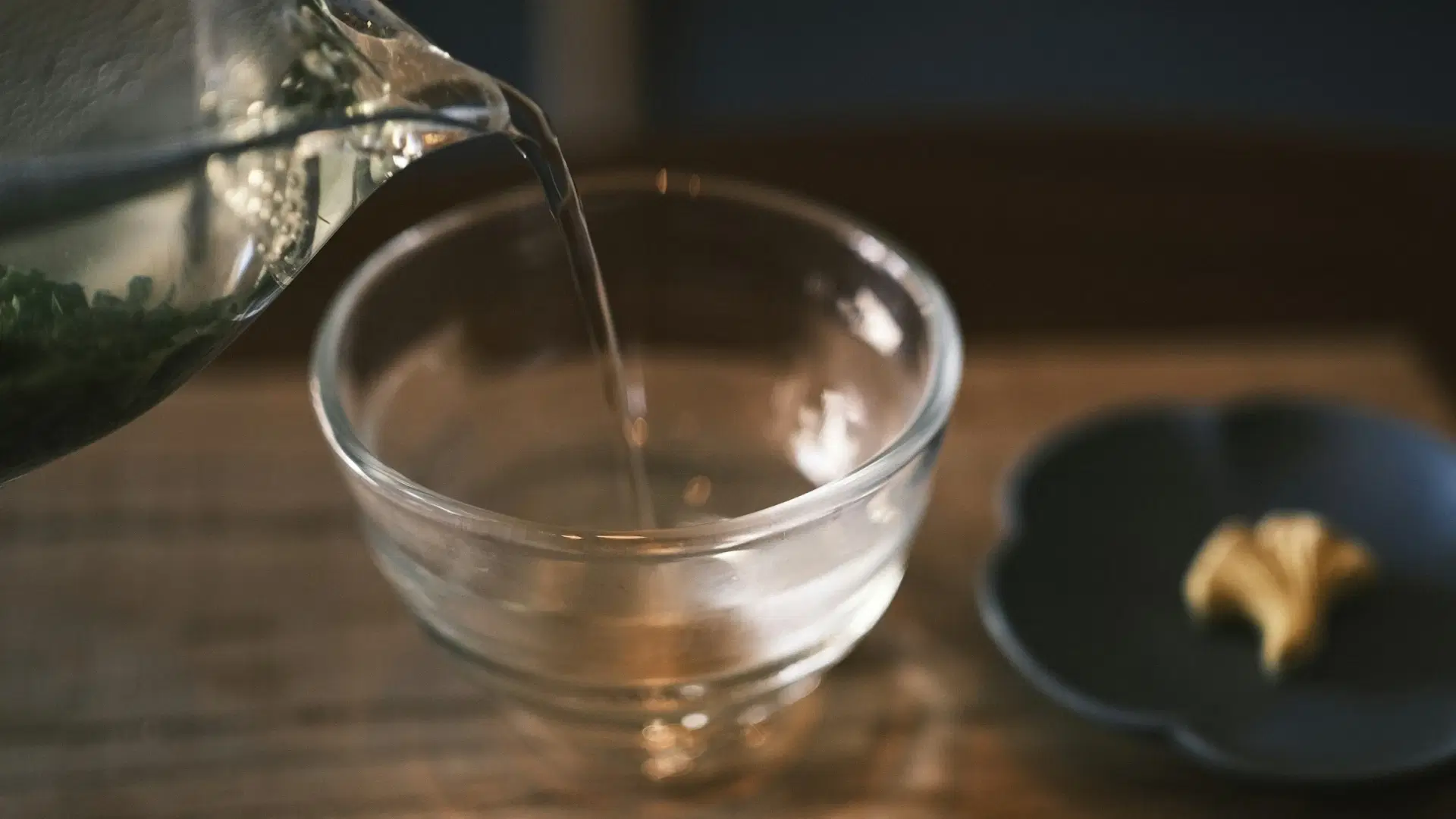
Before you see the garden, before you enter the bath, before the kaiseki dinner begins its deliberate procession, there is the wagashi. It is waiting for you when you first enter your ryokan room, resting on a small plate beside a cup of matcha tea. Whatever form it takes, it will be beautiful, seasonal, and calibrated to complement the bitterness of the matcha that accompanies it.
This is not dessert. It is not a snack. It is a welcome, a statement of the season, and an entry point into the aesthetic world that the ryokan inhabits.
A Confectionary Tradition
Wagashi encompasses an enormous range of confections evolved over more than a millennium. The evolution of wagashi is inseparable from the development of the tea ceremony: the sweet existed to prepare the palate for the bitterness of the matcha, to provide a moment of visual pleasure, and to express the season in edible form.
A French patisserie exists to please. A wagashi exists to serve: to serve the tea, to serve the season, to serve the moment. Its beauty is not decorative; it is purposeful.
The wagashi calendar follows Japan's 72 microseasons (shichijuni-ko), ancient divisions of the year into roughly five-day periods. A wagashi artisan in Kyoto might create more than a hundred distinct designs over a single year, each one existing for its brief window before being retired.
The Principal Forms
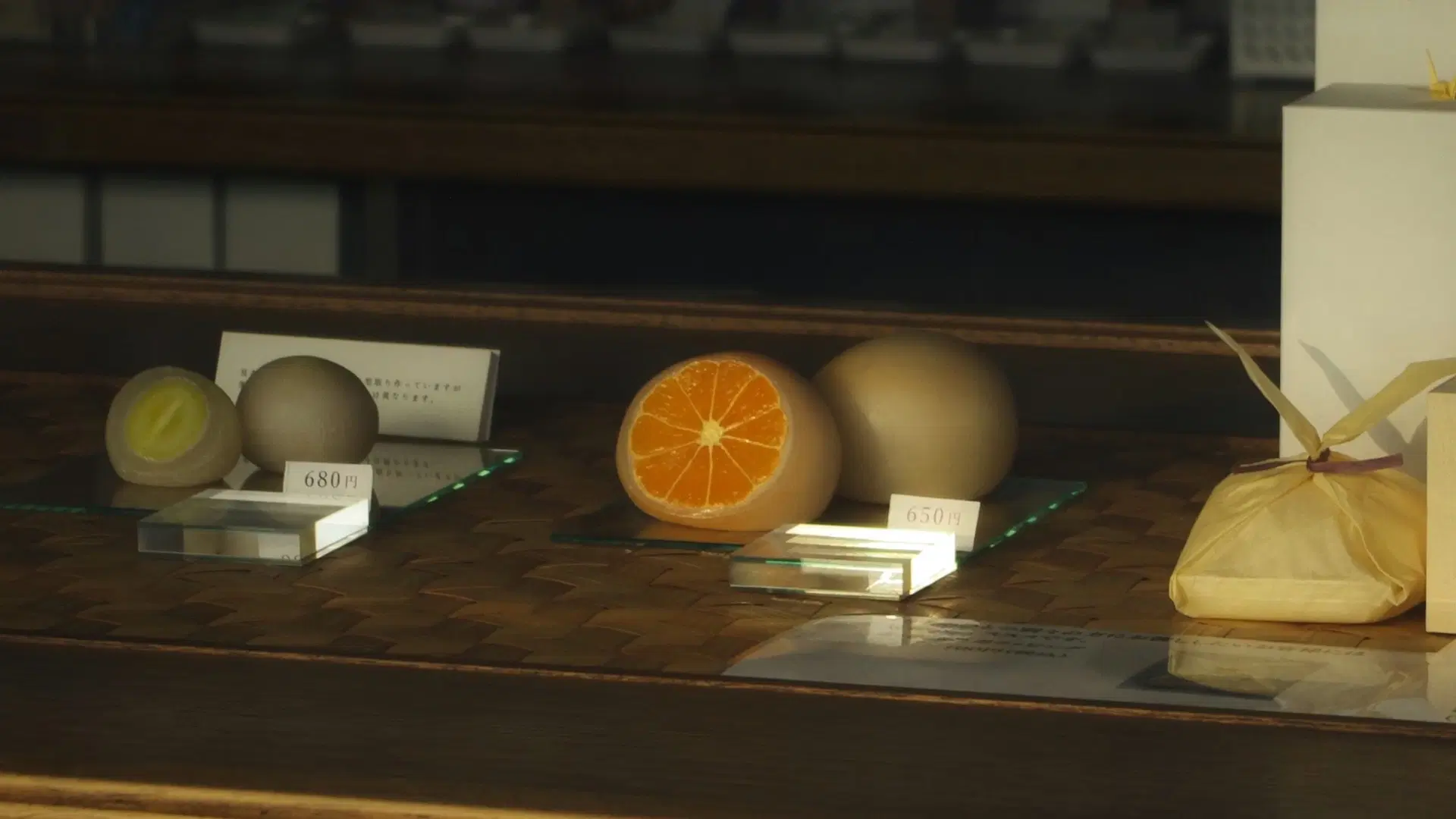
Nerikiri is the most visually spectacular form, sculpted by hand from sweetened white bean paste into seasonal shapes. Yokan is a dense, smooth jelly of azuki beans. Manju are steamed buns, the most accessible wagashi for international palates. Daifuku envelop sweet filling in soft mochi. Higashi are dry-pressed confections of fine-grained wasanbon sugar, dissolving almost instantly on the tongue.
Seasonality as Grammar
Every wagashi has a season, and the most refined confections have a window of appropriateness measured in days rather than months. A cherry blossom nerikiri that is perfect on April 1 would be incorrect on April 15. This temporal precision is part of the larger composition of shun, the principle that every element of the guest experience should reflect the exact moment of the visit.
Spring wagashi season: plum, cherry blossom, and fresh leaf motifs
To eat wagashi is to taste the calendar.
The Ryokan Guide Editorial
The Matcha Partnership
Wagashi and matcha exist in a relationship of mutual dependence refined over five centuries. The sweetness prepares the palate for bitterness; the bitterness cleanses the palate of sweetness. This is a designed experience, a microcosm of larger aesthetic principles: balance, contrast, resolution, and the interplay of opposites.
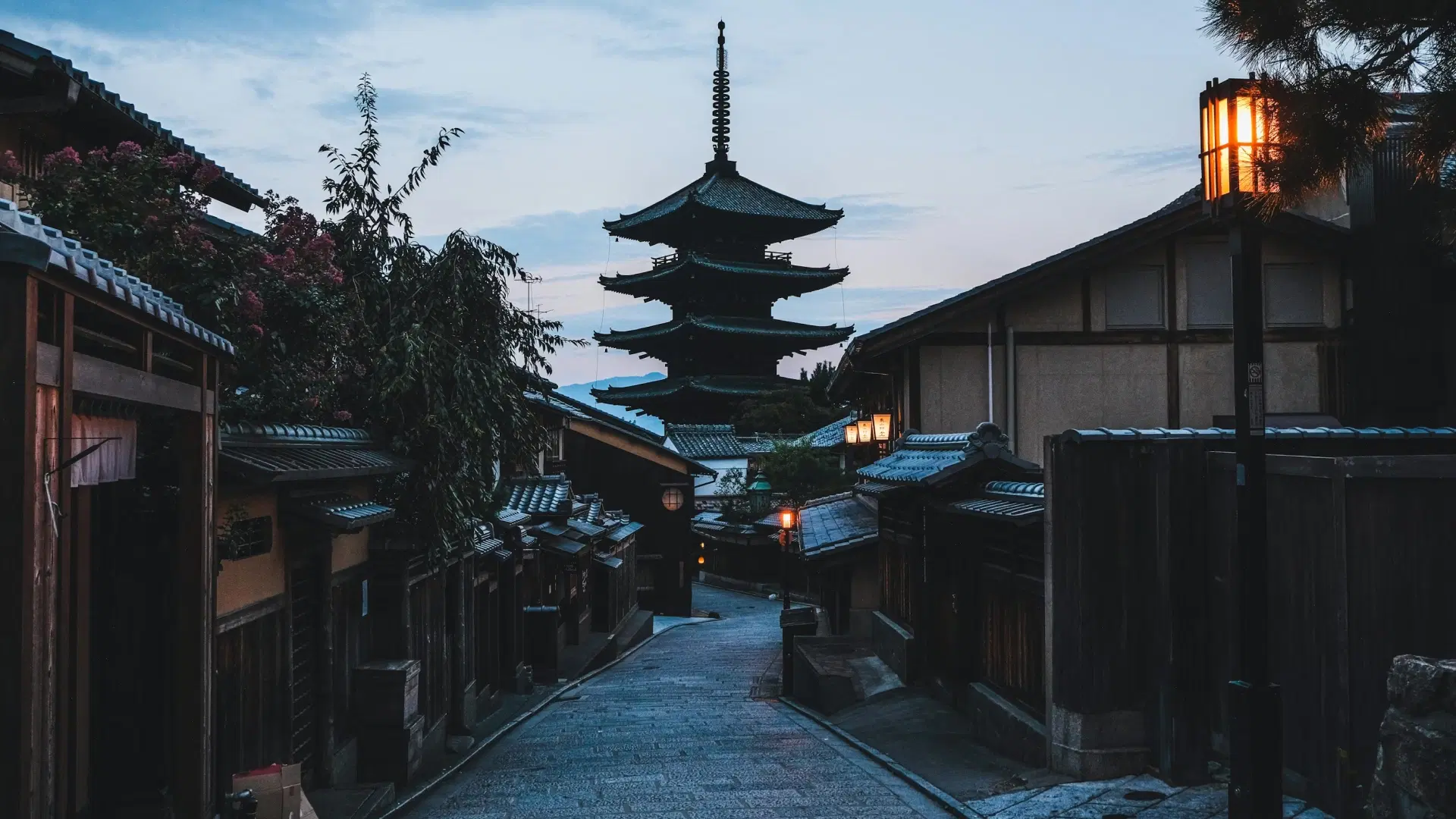
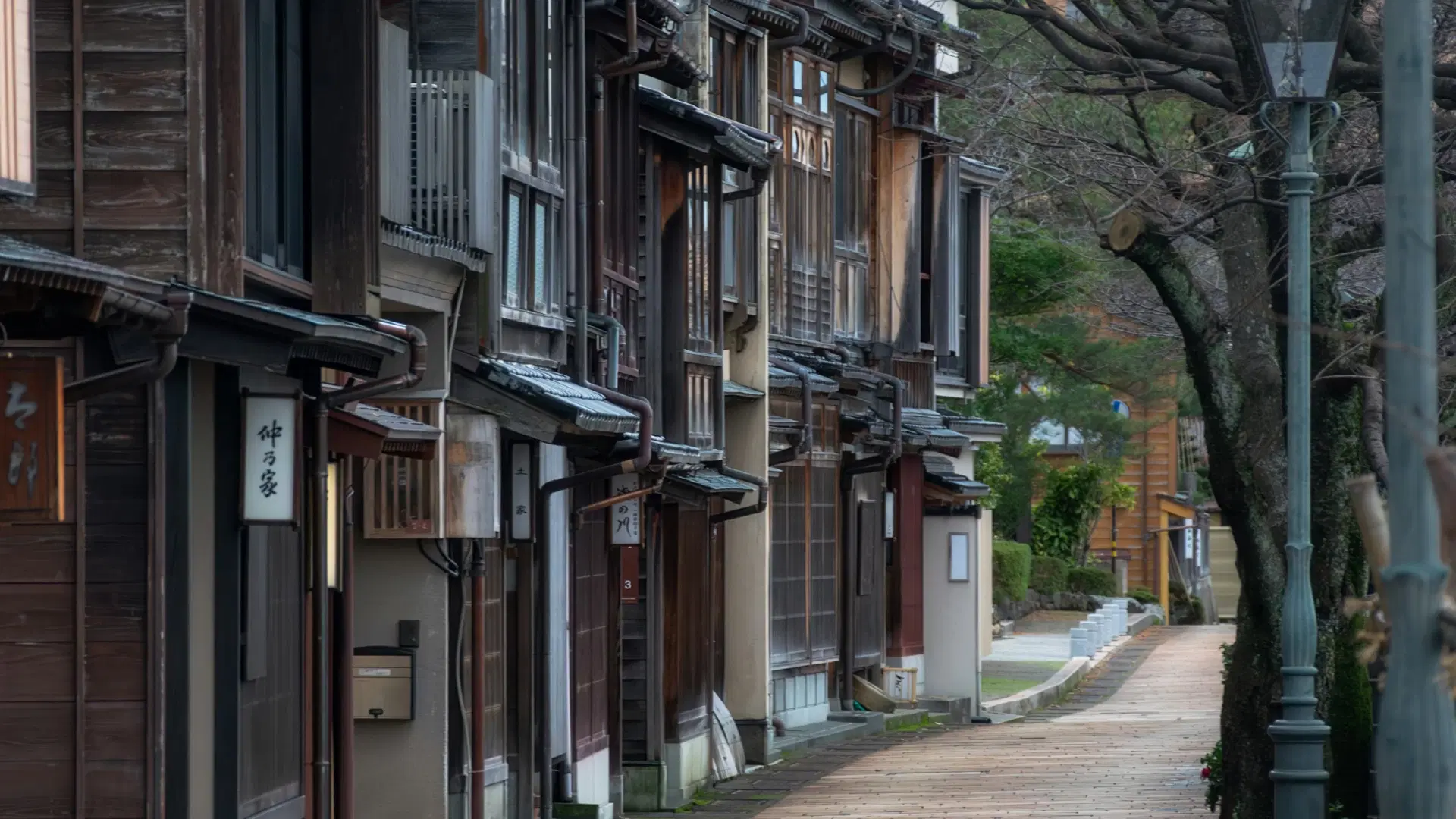
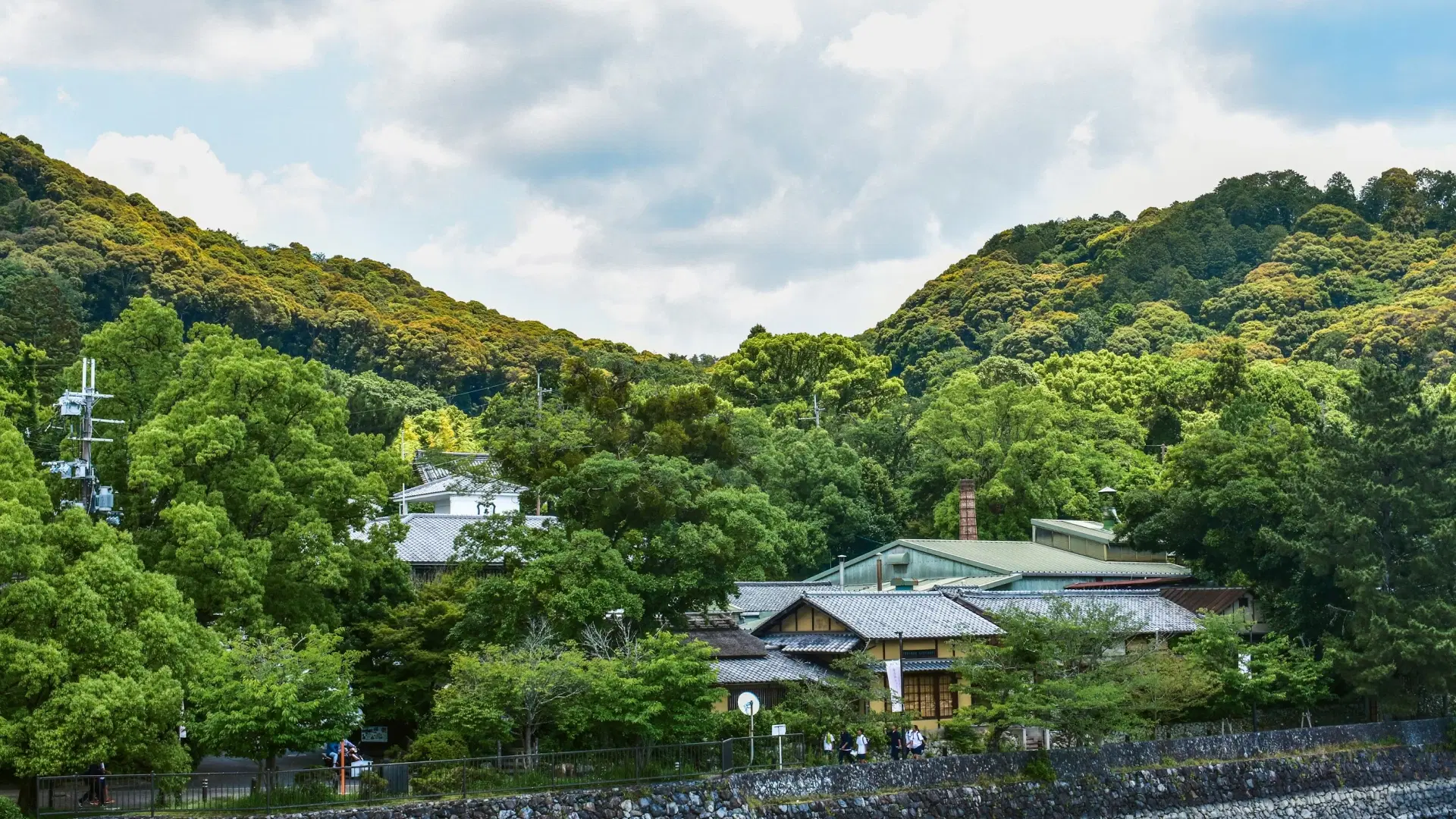
Toraya, founded in the sixteenth century, has been the official purveyor of wagashi to the Imperial Court for five hundred years. These venerable houses maintain archives of historical designs that number in the thousands.
To eat wagashi at a ryokan is to participate in one of Japan's quietest and most profound artistic traditions. It requires only the willingness to pause, to look, and to taste, knowing that this particular sweet will never exist again.
The Ryokan Guide Editorial