Shikoku Pilgrimage Season
四国遍路シーズンThe Shikoku Pilgrimage is one of the great walking journeys of the world, a 1,200-kilometer circuit of eighty-eight Buddhist temples that traces the coastline and traverses the mountains of Japan's fourth-largest island in a path said to have been established by the monk Kukai, known posthumously as Kobo Daishi, in the ninth century. The pilgrimage is open to all, regardless of religious belief, and the henro, the white-clad walkers who follow the route, represent an extraordinary cross-section of humanity: devout Buddhists seeking merit, grieving parents walking in memory of lost children, retirees fulfilling lifetime ambitions, young people searching for direction, and international travelers drawn by the route's reputation as one of the last great pilgrimages that can be walked through a landscape largely unchanged from the pre-modern era.
Tokushima Prefecture, home to Temples One through Twenty-Three, is known as the "Place of Awakening," the first stage of the spiritual journey that the pilgrimage metaphorically represents. Beginning at Ryozenji in Naruto and progressing through the eastern coastal plain, the mountain passes of the interior, and the dramatic coastline of the south, the Tokushima leg of the pilgrimage introduces the walker to the physical and spiritual challenges that will deepen through the remaining three prefectures. The terrain varies from gentle coastal walking to steep mountain ascents, and the weather, particularly in spring, can shift from sunshine to mountain rain within a single hour.
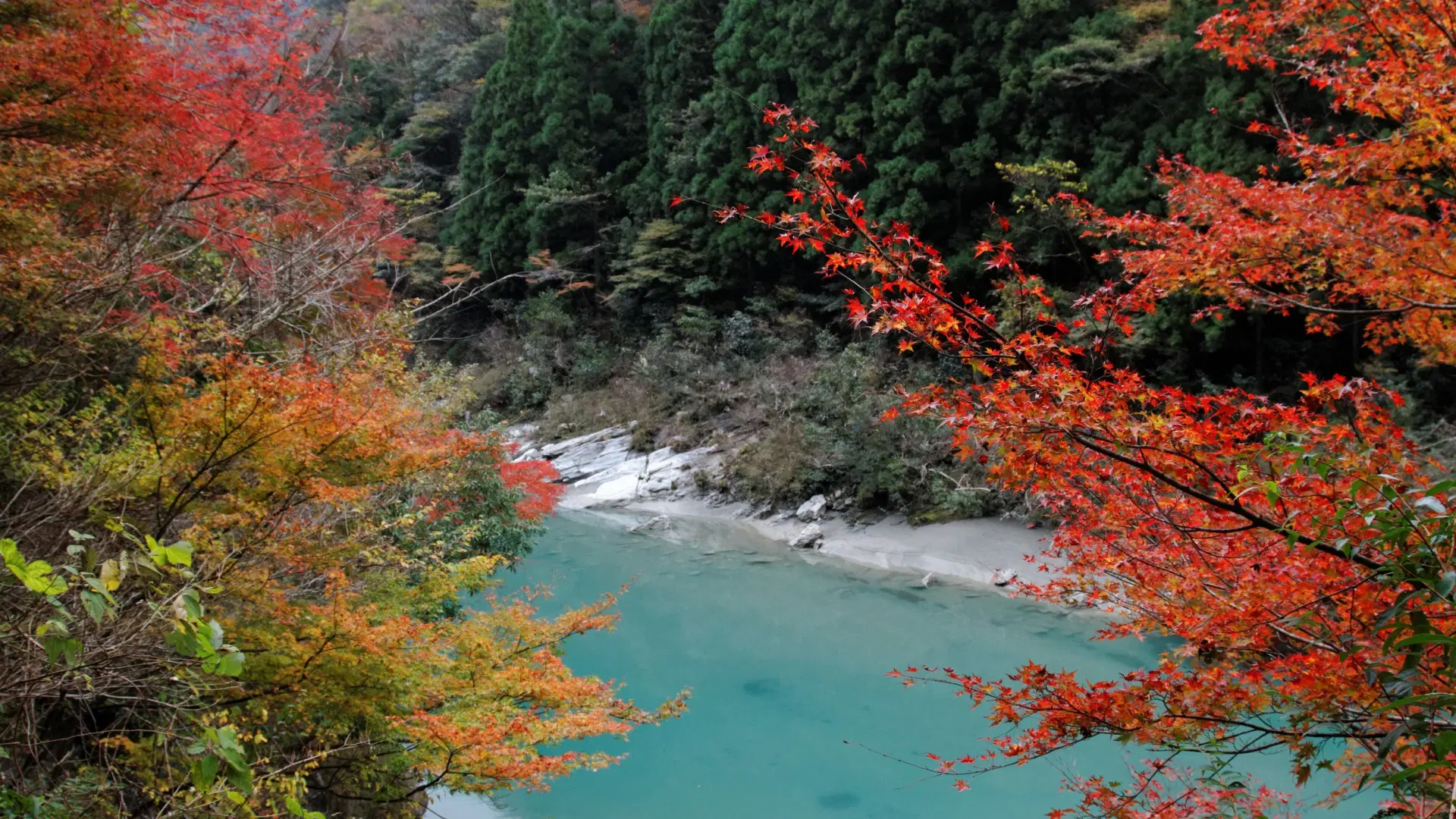
The peak seasons for walking the pilgrimage are spring, from March through May, and autumn, from October through November, when temperatures are moderate, rainfall is manageable, and the landscape displays its most beautiful seasonal garments. These months see the greatest concentration of henro on the path, and the sense of shared purpose among walkers, strangers united by a common direction and a common discipline, creates a social experience as meaningful as the spiritual one.
History & Significance
The pilgrimage's origins are intertwined with the life and legend of Kukai, the founder of Shingon Buddhism, who was born in Sanuki Province (present-day Kagawa Prefecture) in 774 and who practiced ascetic meditation at sites throughout Shikoku as a young monk. The eighty-eight temples associated with the pilgrimage are linked to Kukai through tradition rather than verified history, and the route as it exists today was formalized gradually through the medieval period as devotion to Kobo Daishi grew and the infrastructure of paths, lodgings, and way-markers developed to support the growing number of pilgrims.
By the Edo period, the Shikoku Pilgrimage had become one of the most popular devotional journeys in Japan, and the culture of osettai, the voluntary provision of food, drink, and shelter to pilgrims by local residents, had become a defining feature of Shikoku hospitality. This tradition of generosity toward strangers on the path persists today: henro regularly receive gifts of food, drink, and small amounts of money from Shikoku residents, and the practice reflects a belief that serving the pilgrim is equivalent to serving Kobo Daishi himself, who is said to walk alongside every henro.
The pilgrimage experienced a revival in the late twentieth century as interest in walking culture, spiritual seeking, and the preservation of traditional landscapes converged. The number of walkers has increased steadily, with international pilgrims now comprising a significant minority, and the route has been recognized by comparison with the Camino de Santiago as one of the world's great pilgrimage walks. In 2015, the pilgrimage was designated a Japan Heritage site, and efforts to achieve UNESCO World Heritage recognition are ongoing.
What to Expect
Walking the Tokushima leg of the pilgrimage, from Temple One at Ryozenji to Temple Twenty-Three at Yakuoji, requires approximately ten to fourteen days at a moderate pace and covers terrain that ranges from flat coastal paths to steep mountain trails. The route passes through landscapes of great variety: the fertile plain around Naruto, the urban streets of Tokushima City, the forested mountains of the interior, and the rugged Pacific coastline of the south. Each temple provides its own atmosphere and visual character, from the intimate garden temples of the lowlands to the dramatic mountain-top sanctuaries accessible only by climbing hundreds of stone steps through ancient forest.
The daily rhythm of the walking pilgrim structures the experience into a pattern of movement, rest, prayer, and encounter. Mornings begin early, with walkers setting out at dawn to cover distance before the midday heat. Temple visits punctuate the walking with moments of ritual: the lighting of incense and candles, the recitation of the Heart Sutra, the collection of the temple's stamp in the pilgrimage book. Evenings are spent in temple lodgings, minshuku guesthouses, or the henro-specific accommodations that line the route, where shared meals create opportunities for conversation with fellow pilgrims.
The experience of osettai, receiving unsolicited kindness from Shikoku residents, transforms the pilgrimage from a solitary physical challenge into a communal practice of giving and receiving. A farmer offering persimmons at the roadside, a cafe owner refusing payment from a henro, a driver stopping to offer a ride up a mountain pass: these encounters, repeated daily, create a cumulative sense of being held by a landscape and its people that many pilgrims describe as the most profound aspect of the journey.