Tokushima
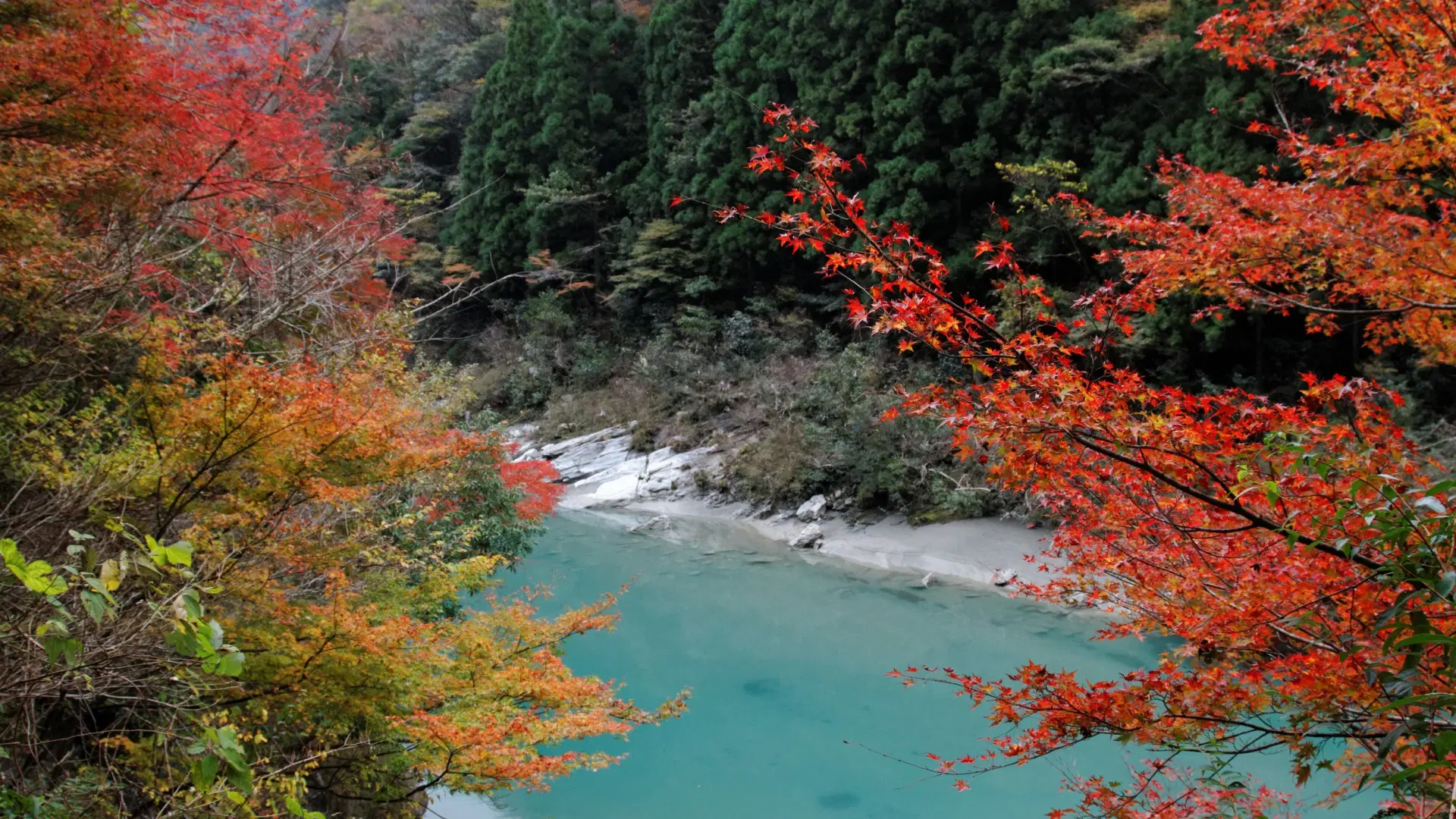
徳島県Tokushima is wild Shikoku distilled to its essence. The Iya Valley, one of Japan's three "hidden regions," plunges through the interior in a series of vertiginous gorges and vine bridges that feel less like tourist attractions than remnants of a world the modern era simply could not reach. Here, thatched-roof farmhouses cling to impossibly steep slopes, and the Iya River carves through stone with a cold, emerald patience. The vine bridges, kazurabashi, sway underfoot as you cross them, their vegetable fiber construction a living link to the Heike refugees who are said to have built the first ones to cut behind them in retreat.
At the prefecture's northeastern edge, the Naruto whirlpools churn beneath the bridge connecting Shikoku to Awaji Island, their spiraling currents driven by the immense tidal forces of the Pacific meeting the Inland Sea. These are not gentle eddies but powerful vortices reaching twenty meters in diameter, a spectacle of natural hydraulics.
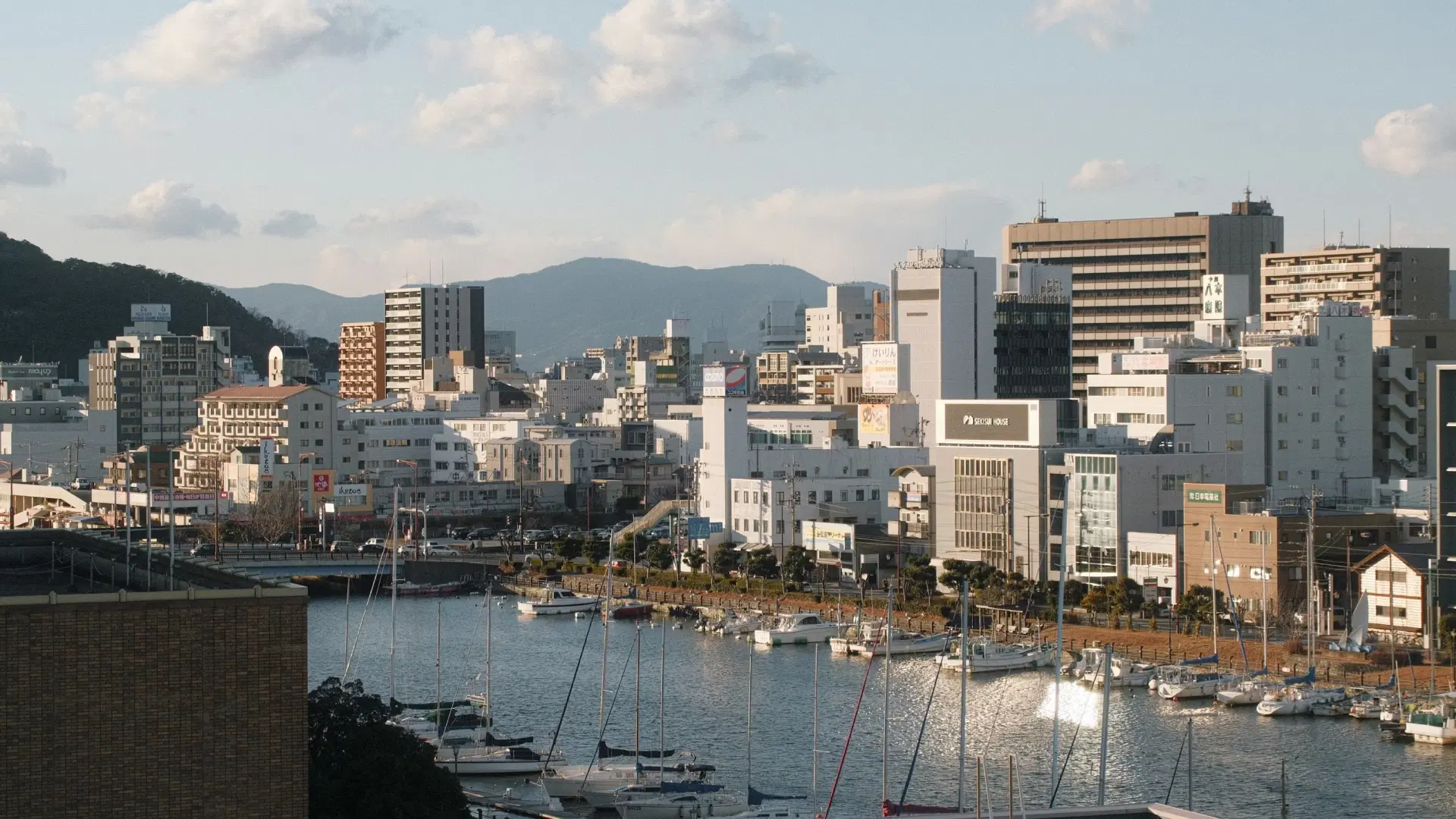
Tokushima is also the spiritual starting point of the Shikoku Pilgrimage, the 1,200-kilometer circuit of 88 temples established by Kōbō Daishi. The first temple, Ryōzen-ji, stands in the prefecture's lowlands, but the path quickly climbs into the mountains. Each August, the capital erupts in the Awa Odori, the most electrifying dance festival in Japan, when hundreds of thousands of dancers and spectators fill the streets with a frenzy that is equal parts devotion and abandon.
Tokushima is wild Shikoku distilled to its essence.
Cultural Identity
The Awa Odori is Tokushima's cultural heartbeat, a festival whose origins stretch back over 400 years. Its refrain, "the dancing fool and the watching fool are both fools, so why not dance," captures a philosophy of joyful surrender. Indigo dyeing, or ai-zome, is Tokushima's other great cultural inheritance. The Yoshino River basin once produced the finest indigo in Japan, and artisans in Tokushima continue to cultivate and ferment sukumo, the composted indigo leaf, using techniques unchanged for centuries. The resulting blues range from the palest sky to depths approaching black. The Shikoku Pilgrimage's presence shapes the prefecture's hospitality culture: the tradition of settai, offering food and rest to walking pilgrims, persists as an expression of generosity woven into daily life. Puppet theater, Awa Ningyō Jōruri, preserves Edo-era narrative arts in rural performance halls.
Culinary Traditions
Tokushima ramen occupies a distinctive niche: its broth, built on a base of pork bones and dark soy sauce, is sweeter and richer than most regional styles, often topped with raw egg and sweet-braised pork belly. The Naruto Strait's violent currents produce tai (sea bream) and wakame seaweed of exceptional quality, their flesh and fronds strengthened by constant movement through turbulent water. Sudachi, the tiny green citrus native to Tokushima, is squeezed over everything from grilled fish to soba to beer, its tart, fragrant juice a defining accent of the local palate. The mountain regions contribute wild boar, river fish, and buckwheat soba prepared in styles particular to each valley. Dekomawashi, skewered tofu, potato, and konjac roasted over open coals, is the Iya Valley's essential fireside snack.
Waters & Onsen
Iya Onsen, perched deep within the valley and accessible by cable car descending to the river's edge, offers one of Shikoku's most dramatic bathing experiences. The open-air bath sits directly beside the turquoise Iya River, surrounded by forested cliffs that turn flame-colored in autumn. The alkaline springs are simple in mineral content but extraordinary in setting. Nearby, Hotel Kazurabashi provides its own onsen facilities overlooking the vine bridge area, blending convenience with wilderness atmosphere. In the east of the prefecture, Ōnaruto Bridge area onsen offer thermal bathing with views over the whirlpool strait. Tokushima's bathing culture is defined less by the mineral qualities of its waters than by the dramatic landscapes that frame them, each bath a conversation with the terrain.