Naruto
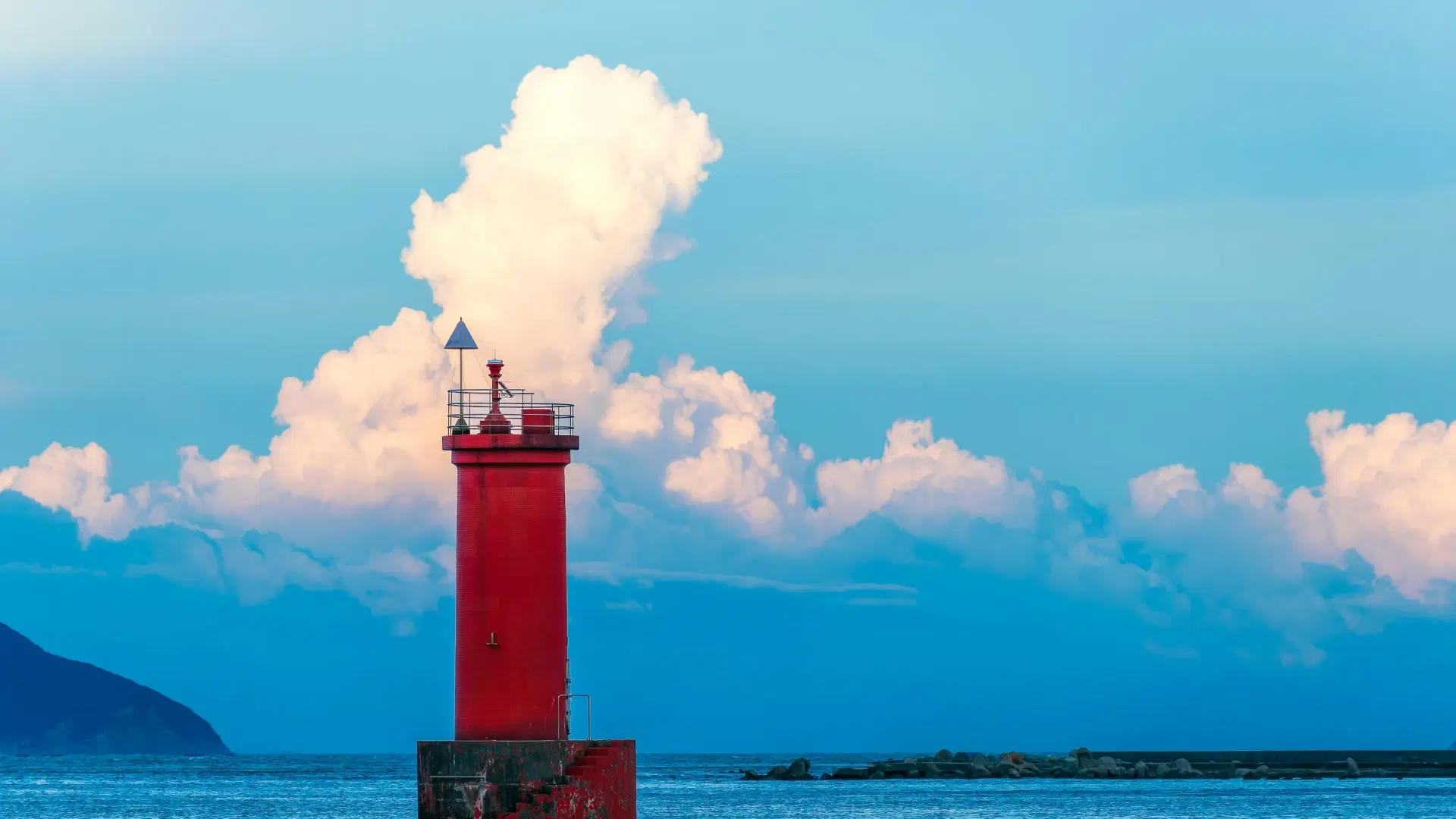
鳴門Naruto is a place defined by the movement of water. At the northeastern tip of Shikoku, where the Naruto Strait separates the island from Awaji-shima and funnels the tidal exchange between the Pacific Ocean and the Seto Inland Sea, the collision of opposing currents creates whirlpools of a size and violence that have fascinated observers for centuries. The Naruto whirlpools, reaching diameters of up to twenty meters during spring tides, are among the largest tidal vortices in the world, and the spectacle of their formation and dissolution, the water folding over itself in patterns that seem both chaotic and rhythmically ordered, remains one of the most compelling natural phenomena visible from the Japanese coastline.
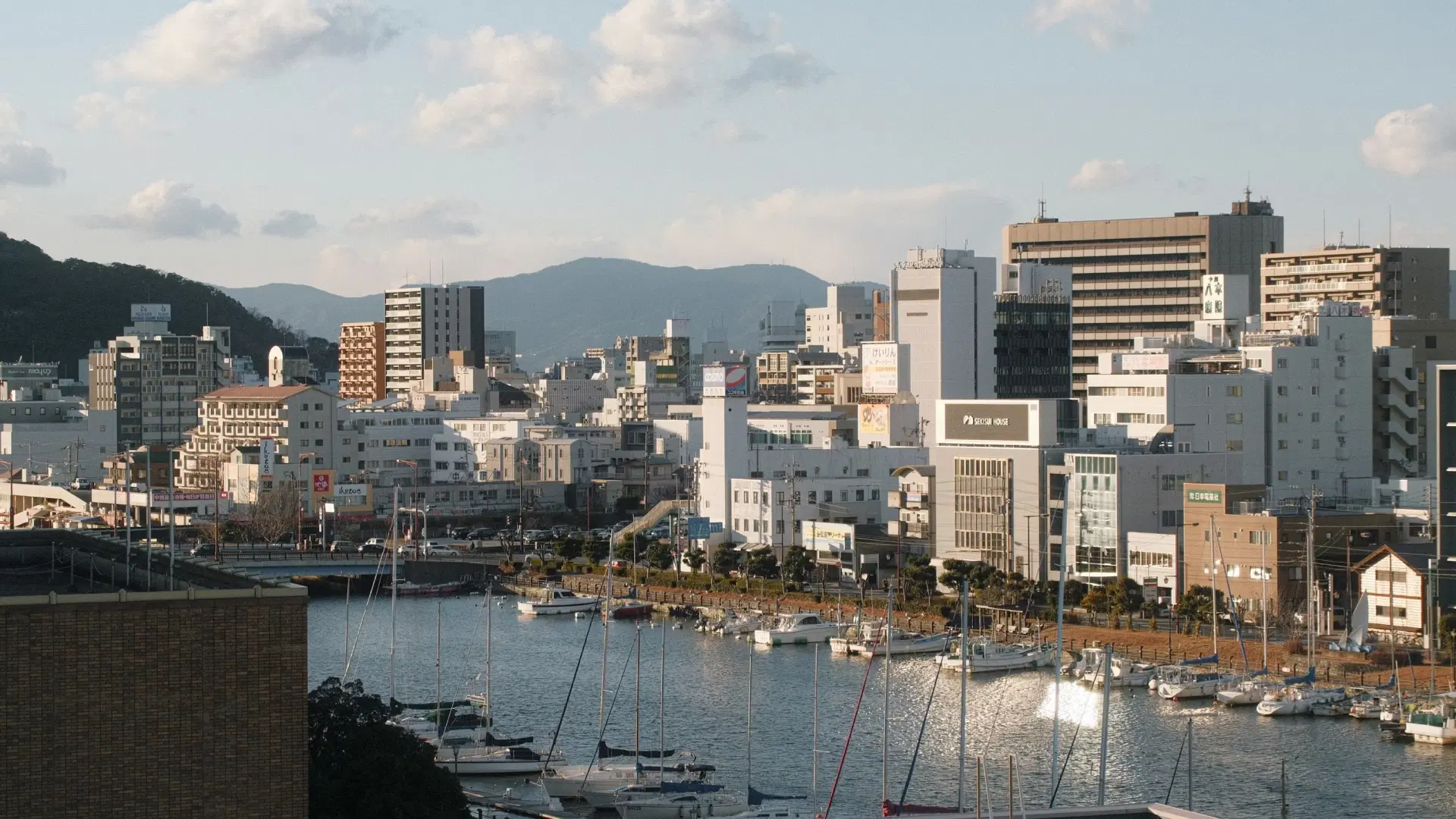
The city of Naruto wraps around the strait and extends along the coast in both directions, its identity shaped by the meeting of waters that occurs at its doorstep. The fishing industry, sustained by the powerful currents that sweep nutrients through the strait and build exceptional muscle and flavor in the fish that swim against them, has given Naruto a culinary reputation that extends far beyond Shikoku. The tai, sea bream, caught in the Naruto Strait is prized throughout Japan for the firmness of its flesh and the clean intensity of its flavor, qualities attributed directly to the tidal forces against which the fish must constantly swim.
Beyond the strait, Naruto offers a gentler landscape of salt farms, temple gardens, and a coastal culture that balances the dramatic natural spectacle at its center with the quieter pleasures of a Shikoku town whose rhythms are set by tide and season rather than by the accelerating tempo of the mainland cities.
Naruto is a place defined by the movement of water.
Highlights
The Naruto Whirlpools are best observed from two complementary vantage points. The Uzu no Michi, a glass-floored walkway suspended beneath the Onaruto Bridge at a height of forty-five meters above the strait, allows visitors to look directly down into the whirlpools as they form and dissipate below. The experience of standing on glass above the swirling water, the sound of the current audible through the structure, engages vertigo and wonder in equal measure. Excursion boats from the Naruto port approach the whirlpools at water level, providing an entirely different perspective in which the scale of the vortices becomes viscerally apparent as the boat navigates among them, the water's surface tilting and folding in patterns that make the sea seem alive.
The Otsuka Museum of Art, one of the most unusual art institutions in Japan, houses full-scale ceramic reproductions of over one thousand masterworks of Western art, from ancient murals to modern paintings, displayed in spaces that replicate the original architectural settings. The Sistine Chapel ceiling, reproduced at full scale in a purpose-built gallery, and Monet's Water Lilies, presented in a garden setting, exemplify the museum's ambitious and occasionally surreal mission. Whatever one's feelings about reproduction versus original, the museum provides an art-historical education of remarkable comprehensiveness, and the quality of the ceramic reproduction technique, developed by the Otsuka Pharmaceutical company, is itself an achievement worth witnessing.
Ryozenji, Temple One of the Shikoku Eighty-Eight Temple Pilgrimage, stands at the beginning of the circular route that draws pilgrims from around the world to walk the 1,200-kilometer path around the island. The temple's atmosphere is shaped by the constant presence of henro, the white-clad pilgrims who pause here to receive their first stamp and their first blessing before setting out on a journey that will take weeks or months to complete.
Culinary Scene
Naruto tai, the sea bream from the strait, stands at the apex of Naruto's culinary identity. The fish's pink skin, firm white flesh, and clean, concentrated flavor are the direct products of the tidal currents in which it feeds, and preparations that respect this quality tend toward simplicity: sashimi sliced thick enough to appreciate the texture, salt-grilled whole fish whose skin blisters and crisps over charcoal, and tai-meshi, the sea bream rice cooked in an earthenware pot that allows the fish's flavor to permeate every grain. The reverence with which Naruto tai is handled in local kitchens communicates something essential about the relationship between place, ingredient, and plate that defines the best of Japanese regional cuisine.
Naruto wakame, the seaweed harvested from the strait's turbulent waters, is distinguished by its thick, crisp texture and vivid green color, qualities produced by the same tidal forces that build the tai's muscle. Fresh wakame, blanched briefly and served with ponzu or in miso soup, has a marine sweetness and a satisfying bite that bear little resemblance to the limp, reconstituted seaweed served elsewhere. Naruto kinintoki, the sweet potato variety cultivated in the sandy coastal soil, is prized for its exceptional sweetness and smooth texture, appearing in both savory preparations and the confections that fill the gift shops near the whirlpool viewing areas.
The strait's bounty extends beyond these signature ingredients to include a full range of seasonal seafood whose quality reflects the nutrient-rich waters. Hamachi, octopus, and shellfish from the Naruto coast appear on izakaya menus and ryokan kaiseki tables throughout the city, their freshness and flavor a constant reminder that this is a place where the kitchen and the sea are separated by little more than a morning's work.