Shimanto
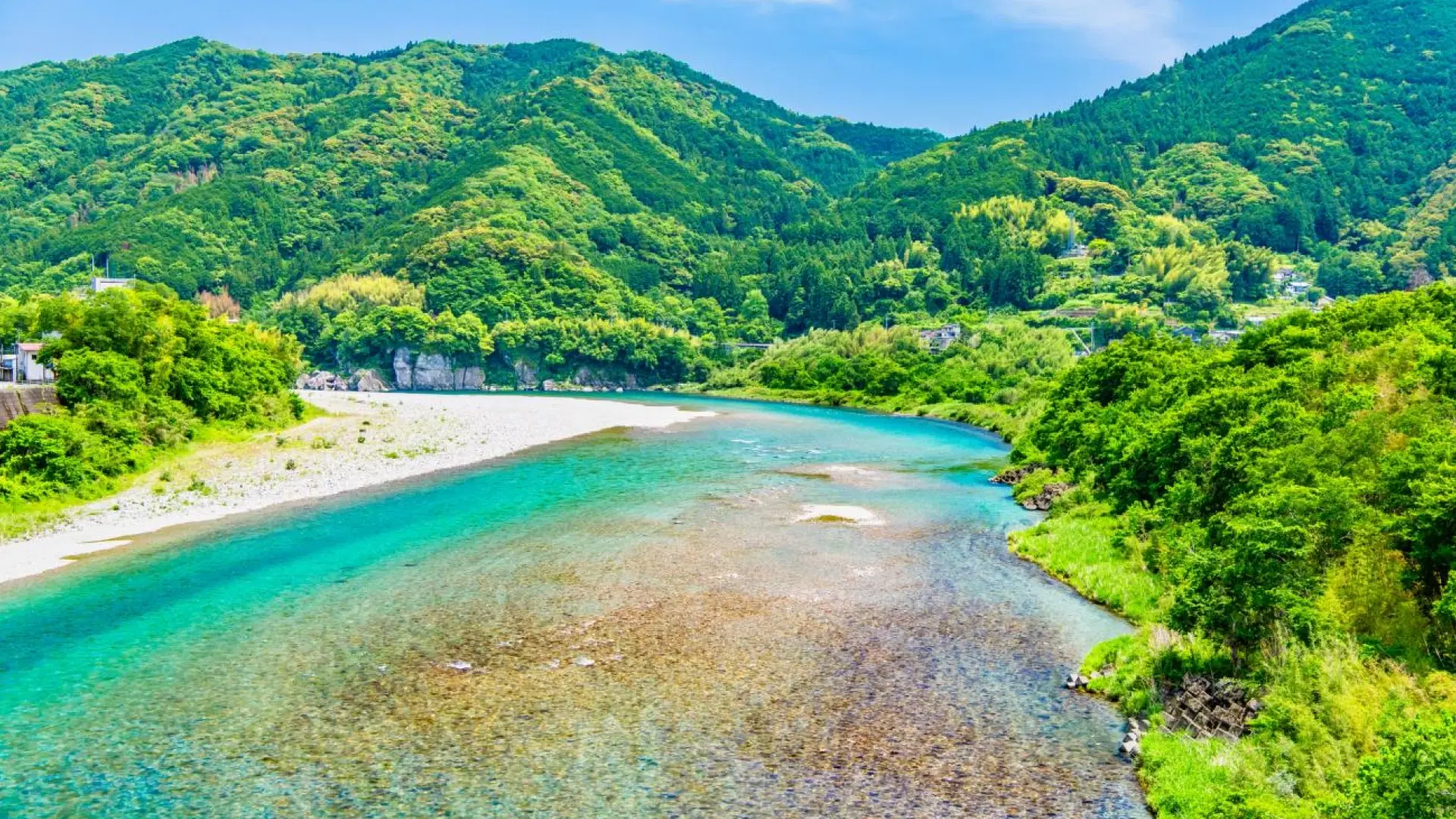
四万十The Shimanto River is called the last clear stream of Japan, and though this epithet is more poetic than hydrological, the river that flows for 196 kilometers through the mountains and valleys of western Kochi before reaching the Pacific does possess a purity and a beauty that justify the claim's emotional truth. The Shimanto is Japan's longest river without a major dam on its main channel, and this absence of large-scale intervention has preserved a riverine landscape of extraordinary naturalness: clear water flowing over gravel beds, forests pressing close to the banks, and a community of flora and fauna that includes species long vanished from the managed waterways of more developed regions.
The river's most distinctive features are the chinkabashi, the low, railing-less bridges designed to submerge beneath the surface during floods rather than resist the water's force. These submersible bridges, their decks barely above the waterline during normal flow, represent an engineering philosophy of accommodation rather than confrontation, yielding to the river's power during high water and re-emerging unscathed when the flood recedes. Crossing a chinkabashi on foot or by bicycle, with the water visible through the gaps in the planking and no railing between the walker and the stream, is an experience of intimacy with the river that conventional bridges, elevated and enclosed, cannot provide.
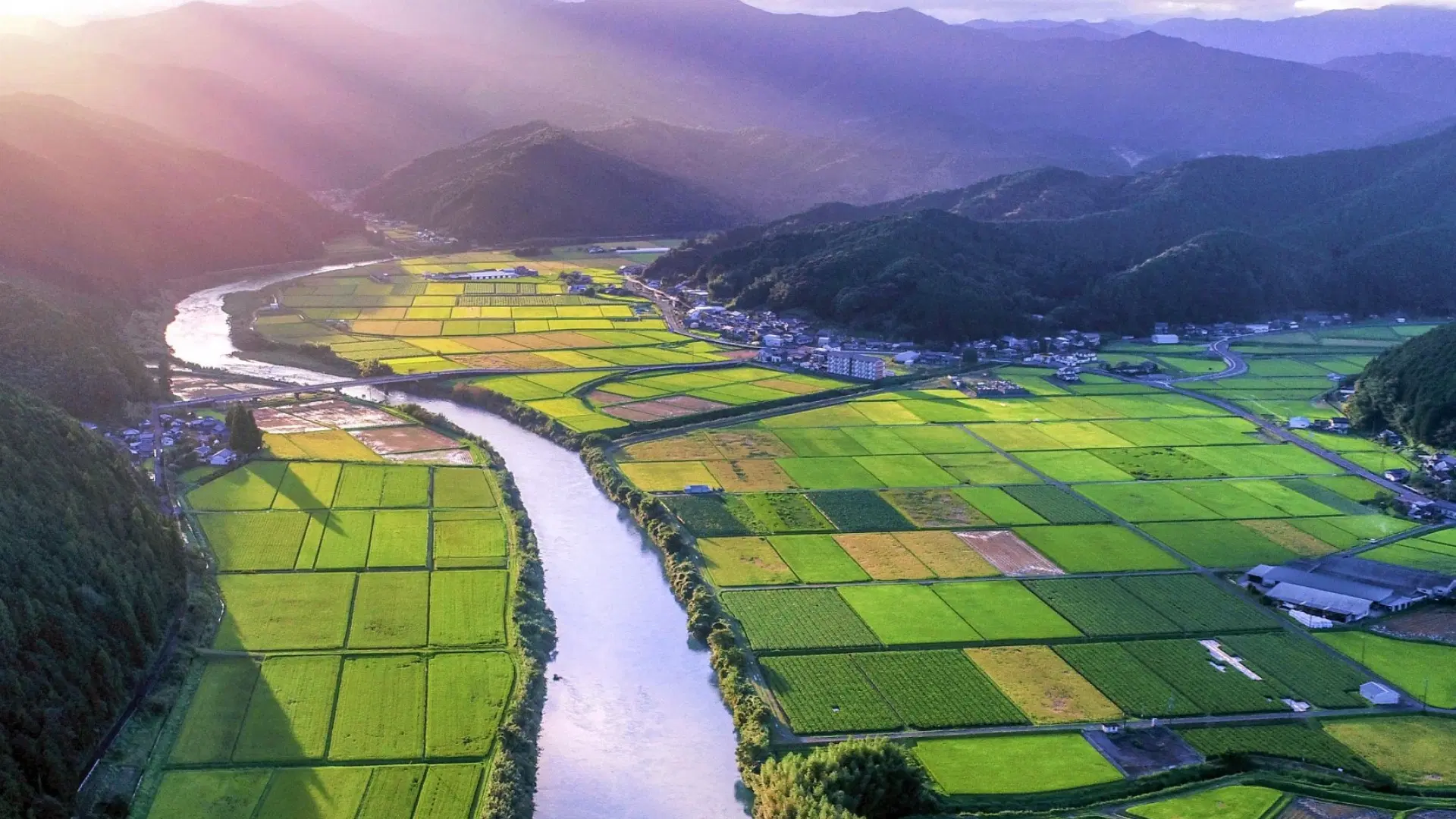
The town of Shimanto City, at the river's mouth where it meets the Pacific, serves as the gateway to the river valley, and the communities along the river's length, connected by narrow roads that follow the watercourse through increasingly remote mountain landscape, preserve a relationship with the natural world that urbanized Japan has largely relinquished. Fishing, farming, and forestry sustain a way of life in which the river is not a scenic amenity but the central fact of existence, and visiting the Shimanto valley is an encounter with a Japan that measures time by seasons and water levels rather than by schedules and transactions.
Highlights
The chinkabashi crossings are the Shimanto's signature experience and its most photographed features. The Iwama Chinkabashi, among the most scenic, spans the river at a point where the clear water flows wide and shallow over a bed of pale gravel, the forested mountains rising on both sides and the sky reflected in the stream's surface. Walking or cycling across, the river flowing beneath the planks and the mountains framing the horizon in both directions, the visitor inhabits a landscape rather than merely viewing it. The Sada Chinkabashi, further upstream, offers a similar experience in a narrower, more intimate setting where the forest canopy reaches over the water and the bridge seems to float between the trees.
The Shimanto River offers some of the finest recreational paddling in Japan, and canoe and kayak rentals are available at several points along the river's lower and middle reaches. The experience of moving through the river's landscape at water level, the current providing gentle propulsion between periods of paddling, the banks revealing heron, kingfisher, and the occasional otter, provides an engagement with the natural world that the road above cannot match. The river's clarity allows the gravel bed and its fish to be observed from the surface, and the ayu, sweetfish, that populate the Shimanto in summer are visible as flickering shadows against the pale stones.
The Shimanto River estuary, where fresh and salt water mix in tidal flats and mangrove-like vegetation, supports a bird population that attracts ornithologists and nature photographers. The estuary's position on migratory routes brings seasonal visitors that complement the resident species, and the quiet observation points along the riverbanks provide viewing opportunities that require only patience and a willingness to be still.
Culinary Scene
The Shimanto River provides the ingredients that define the local table. Ayu, the sweetfish that feeds on the algae coating the river's stones and that carries the clean, slightly herbaceous flavor of the water in which it lives, is the Shimanto's most celebrated culinary resource. Grilled whole over charcoal with nothing more than salt, the ayu's delicate flesh and edible bones produce a flavor of extraordinary purity, the fish tasting, as the Japanese expression goes, of the river itself. The ayu season, from June through October, is the period when the Shimanto's culinary identity is most fully expressed, and the small restaurants along the river that serve ayu caught that morning offer a directness of connection between water and plate that few meals anywhere can match.
Freshwater prawns, tsugani crabs, and river seaweed complement the ayu on the Shimanto table, each ingredient drawn from the same clear water and each carrying its own expression of the river's character. The tsugani, a small green crab caught in the lower reaches during autumn, is prepared in a rich miso soup whose concentrated flavor belies the creature's modest size. Nori harvested from the river's stones is dried and toasted into sheets of intense umami that bear little resemblance to the ocean nori more commonly encountered.
The agricultural products of the Shimanto valley, cultivated in the rich alluvial soil of the river's floodplain, include rice, vegetables, and the chestnuts and citrus that grow on the surrounding hillsides. Shimanto-kuri, the chestnuts of the region, are prized for their sweetness and size, and their appearance in autumn brings chestnut rice, chestnut sweets, and roasted chestnuts to the tables and stalls of the valley's communities.