Kochi
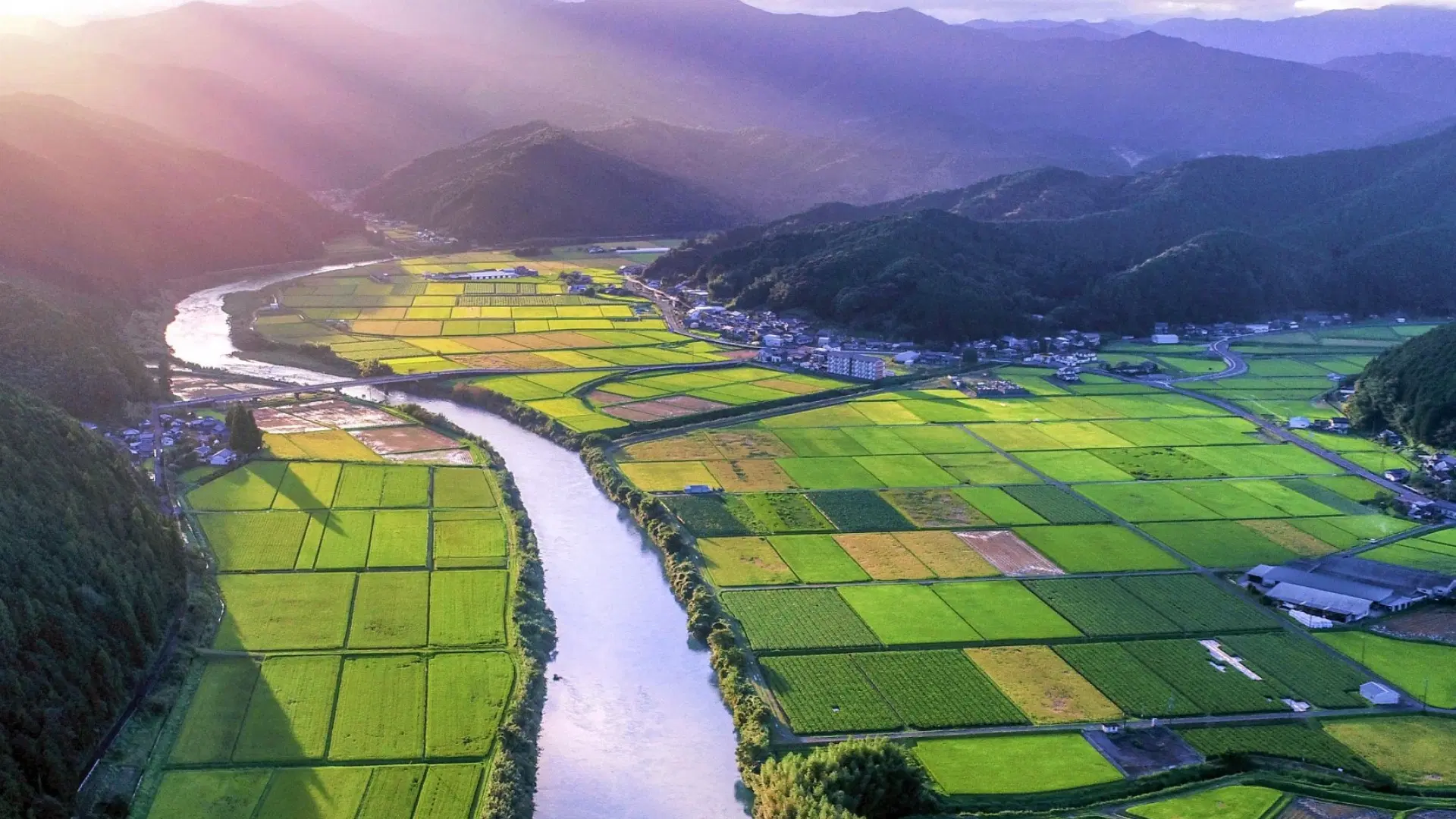
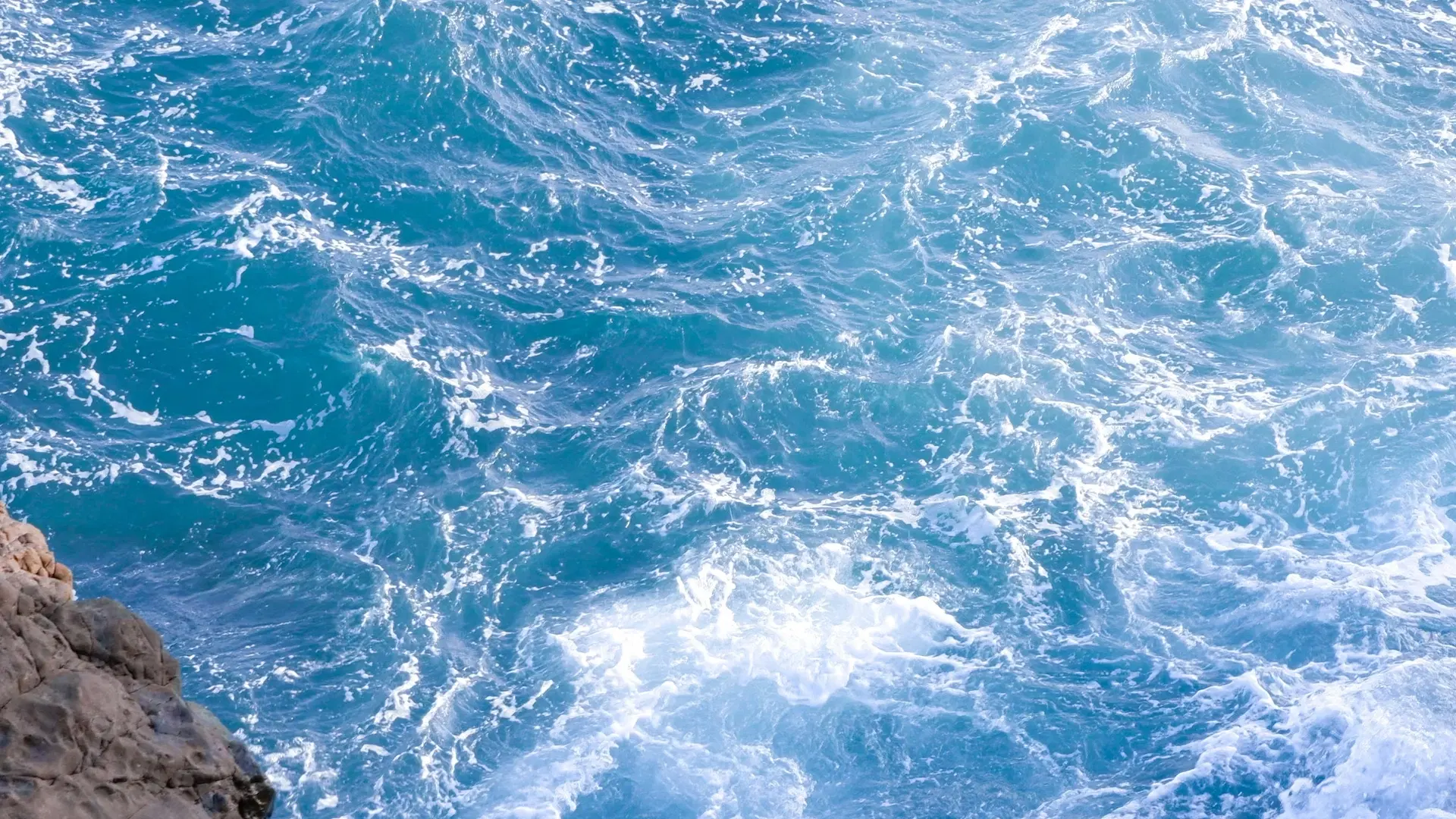
高知県Kochi faces the Pacific with an openness that defines everything about it. The prefecture occupies the entire southern coast of Shikoku, exposed to the full force of the Kuroshio Current, the warm ocean stream that brings both abundance and typhoons. The character of the place is shaped by this exposure: generous, direct, slightly untamed. Kochi people have a reputation across Japan for being the heartiest drinkers and the most forthright speakers, qualities they attribute cheerfully to the wildness of their coastline.
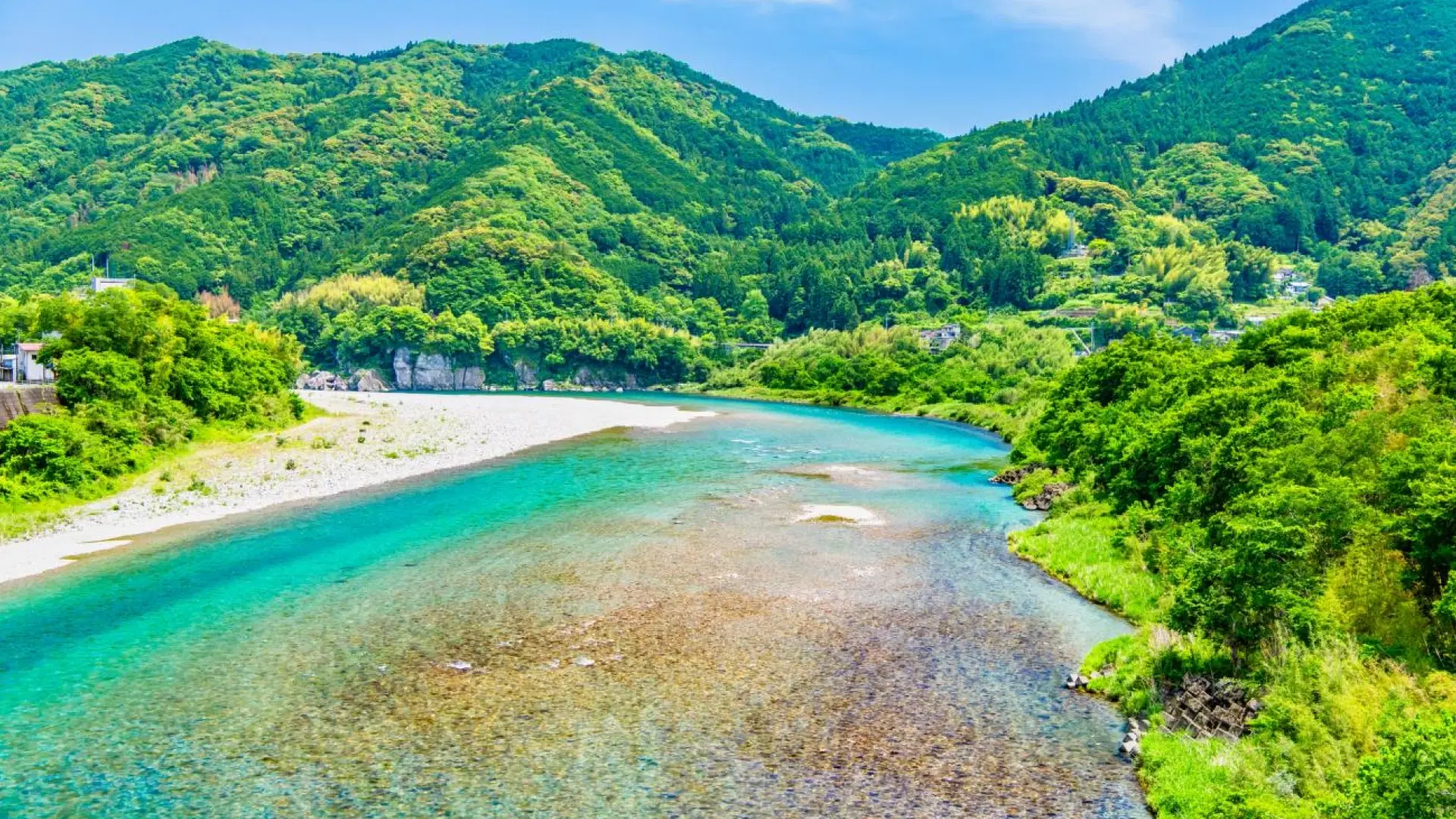
The Shimanto River, often called Japan's last clear stream, flows for 196 kilometers through the western interior without a single dam interrupting its course. Its chinkabashi, low bridges designed to submerge rather than resist floods, embody a philosophy of yielding to nature rather than opposing it. The river's clarity is extraordinary; from certain bridges, every stone on the riverbed is visible through meters of moving water.
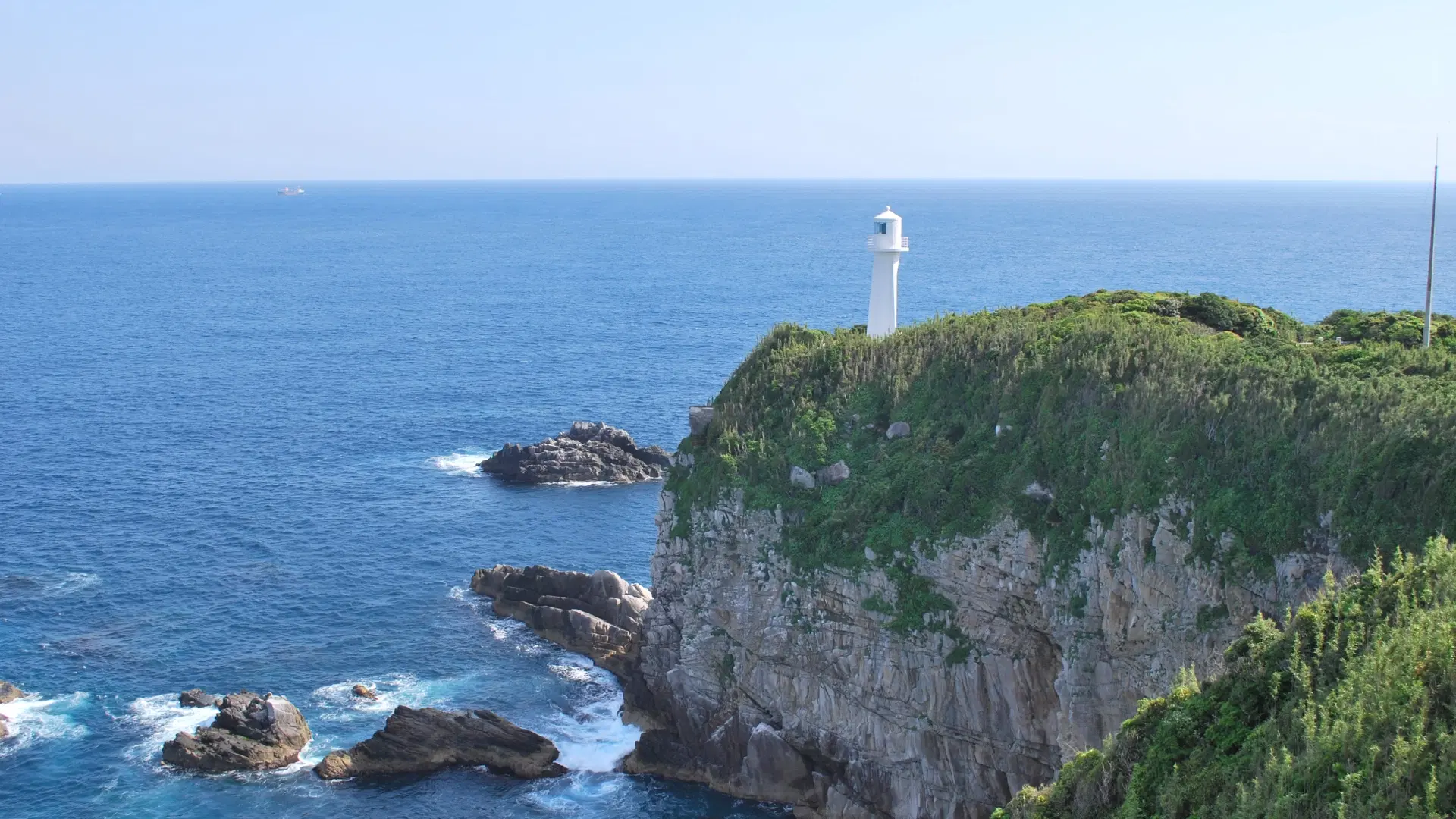
Cape Ashizuri, at the prefecture's southwestern tip, juts into the Pacific with a dramatic finality, its lighthouse perched above cliffs where subtropical vegetation meets the open ocean. The Sunday Market in Kochi city, running continuously for over 300 years along a single boulevard, offers an unfiltered window into local life: yuzu products, dried fish, forged knives, and seasonal vegetables spread across hundreds of stalls. Kochi is where Shikoku sheds its gentleness and meets the sea on equal terms.
Kochi faces the Pacific with an openness that defines everything about it.
Cultural Identity
Kochi's cultural hero is Sakamoto Ryōma, the samurai visionary who brokered the alliance that toppled the Tokugawa shogunate, only to be assassinated before seeing the new Japan he helped create. His statue gazes out over Katsurahama Beach, and the Sakamoto Ryōma Memorial Museum on the nearby hillside chronicles his brief, incandescent life. The Sunday Market, operating since 1690, is not merely commercial but social, a weekly gathering where the rhythms of rural and urban Kochi merge. Tosa washi, handmade paper from the Niyodo River valley, is among the thinnest and strongest in the world, used in conservation work at museums globally. Yosakoi, the energetic dance festival born in Kochi in 1954, has since spread across Japan but retains its most authentic expression here, where teams devise original choreography and parade through the August heat with abandon.
Culinary Traditions
Katsuo no tataki is Kochi's culinary declaration of identity. Thick slices of bonito are seared over a roaring straw flame, leaving the exterior charred and smoky while the interior remains raw and ruby. Served with sliced garlic, myoga ginger, and a ponzu dressing, it is a dish of primal simplicity and power. Kochi accounts for the majority of Japan's yuzu production, and the small, intensely aromatic citrus perfumes everything from ponzu to ice cream to craft spirits. The Pacific coast yields skipjack tuna, flying fish, and whale shark from the Kuroshio Current, while the rivers provide ayu (sweetfish) in summer, grilled whole over charcoal. Kochi's drinking culture revolves around okyaku, the practice of communal banqueting with local sake, a tradition of conviviality that can extend well past midnight. Shimanto nori, river seaweed from the clear waters, is prized for its delicate flavor.
Waters & Onsen
Ashizuri Onsen, at the southern cape, provides sodium bicarbonate springs in a setting of Pacific grandeur. Bathing here, with the sound of waves against the cliffs and the subtropical forest overhead, is an experience of elemental simplicity. The waters are smooth and slightly alkaline, leaving the skin softened. In the interior, Nakatsu Gorge area onsen offer mountain thermal bathing beside one of Shikoku's most beautiful ravines, where the Niyodo River's impossibly blue water has carved the stone into sculptural forms. Matsuo Onsen near the Shimanto River provides a rustic riverside soaking experience far from any tourist infrastructure. Kochi's onsen are neither famous nor lavish, which is precisely their appeal: they are places where the land offers its warmth directly, without intermediary or pretension.