Kochi
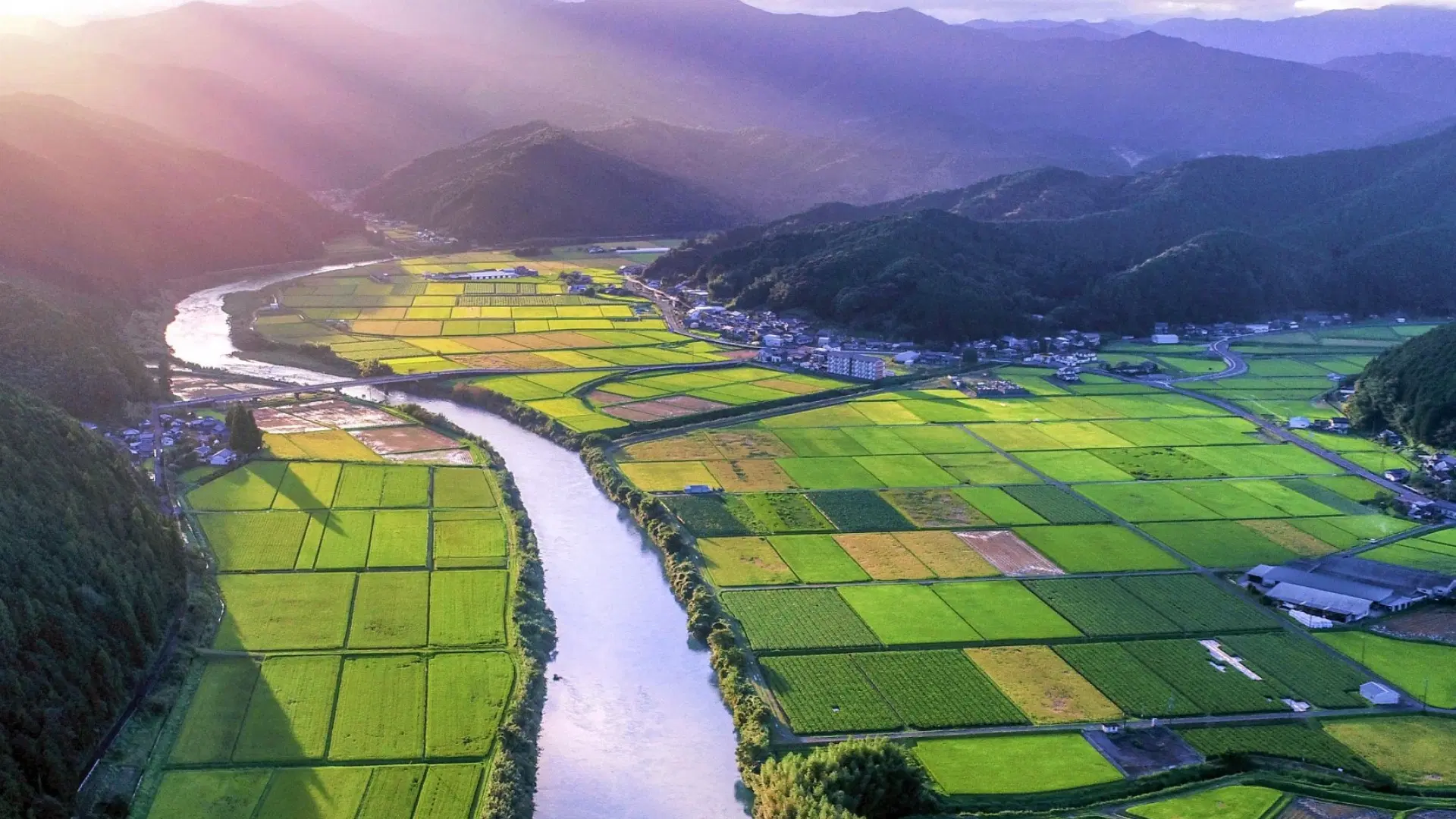
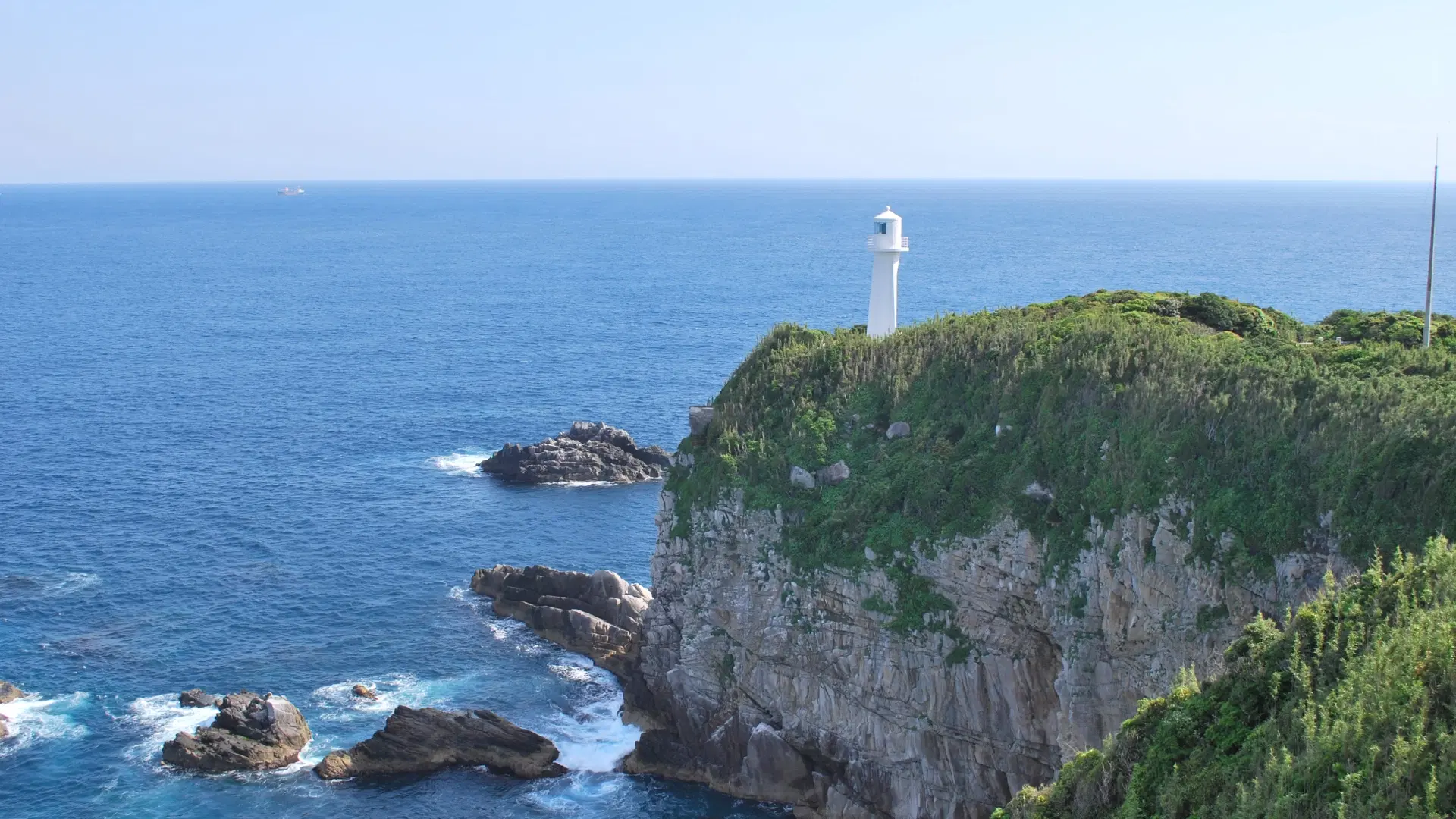
高知Kochi is a city that drinks deeply and laughs loudly, a place whose culture of open-hearted hospitality and culinary directness sets it apart from the more restrained sensibilities of much of Japan. The capital of Kochi Prefecture, occupying a broad plain between forested mountains and the Pacific coast, is a city of roughly 330,000 that punches well above its weight in character, producing food, drink, and festival culture of a vitality that larger and wealthier cities might envy. The spirit of Kochi is captured in the local concept of hachkin, a word that describes a bold, forthright woman unafraid to speak her mind, and this quality of directness pervades the city's approach to everything from its cuisine to its festivals to its relationship with the wild Pacific coast that crashes against the nearby shore.
Kochi Castle, one of the twelve original-keep castles in Japan and one of only four to retain both its keep and its main palace in their original form, presides over the city center with an authority that belies its modest size. The castle's survival through the centuries of war, fire, and modernization that destroyed most of its counterparts is a source of local pride, and the complete feudal-era complex, from the imposing stone walls and gates to the intimate wooden interiors of the palace, provides one of the most authentic castle experiences available in the country.
The city's relationship with the sea defines its culinary identity. Kochi faces the Pacific, and the Kuroshio Current that sweeps past its coast brings warm water, abundant marine life, and a climate that is the wettest and among the mildest in Japan. The bonito, katsuo, that is caught in these waters and prepared as tataki, seared over straw flame and served rare with garlic, ginger, and salt, is Kochi's signature dish and one of the iconic preparations of Japanese cuisine, a food whose smoky intensity and oceanic depth communicate the character of the place as directly as any landscape or monument.
Kochi is a city that drinks deeply and laughs loudly, a place whose culture of open-hearted hospitality and culinary directness sets it apart from the more restrained sensibilities of much of Japan.
Highlights
Kochi Castle's completeness makes it the single most important historical site in the city. The approach through the Ote-mon gate and up the stone stairway to the honmaru, the innermost enclosure, traces the defensive logic of the feudal fortress in a way that fragmentary ruins and concrete reconstructions cannot. The keep's original wooden structure, its rooms connected by steep stairways worn smooth by centuries of use, culminates in the observation floor whose views encompass the city, the mountains, and on clear days, the Pacific. The attached Kaitokukan palace, where the lord conducted the business of government, preserves the formal rooms and waiting chambers in which the hierarchy of the feudal system was expressed through architecture and decoration.
The Kochi Sunday Market, held continuously since 1690, is one of the oldest and largest street markets in Japan, stretching for more than a kilometer along the broad avenue that leads from the castle toward the eastern edge of the city. Over three hundred vendors sell vegetables, fruit, seafood, sweets, tools, plants, and prepared foods, and the market's atmosphere, convivial and unpretentious, provides the most direct encounter with Kochi's agricultural abundance and the gregarious character of its people. The sweet potato varieties, the yuzu citrus products, the fresh ginger, and the seasonal vegetables piled on the vendors' tables reflect the rich soil and generous rainfall that make Kochi one of Japan's most productive agricultural prefectures.
Katsurahama Beach, the crescent of sand and rock at the southern edge of the city, is famous less for swimming, the currents are too dangerous, than for the statue of Sakamoto Ryoma, the Kochi-born samurai whose role in the overthrow of the Tokugawa shogunate made him one of the most beloved figures in Japanese history. The adjacent Sakamoto Ryoma Memorial Museum, cantilevered over the hillside above the beach, chronicles the life of this revolutionary idealist whose vision of a modern, unified Japan was realized only after his assassination at the age of thirty-one.
Culinary Scene
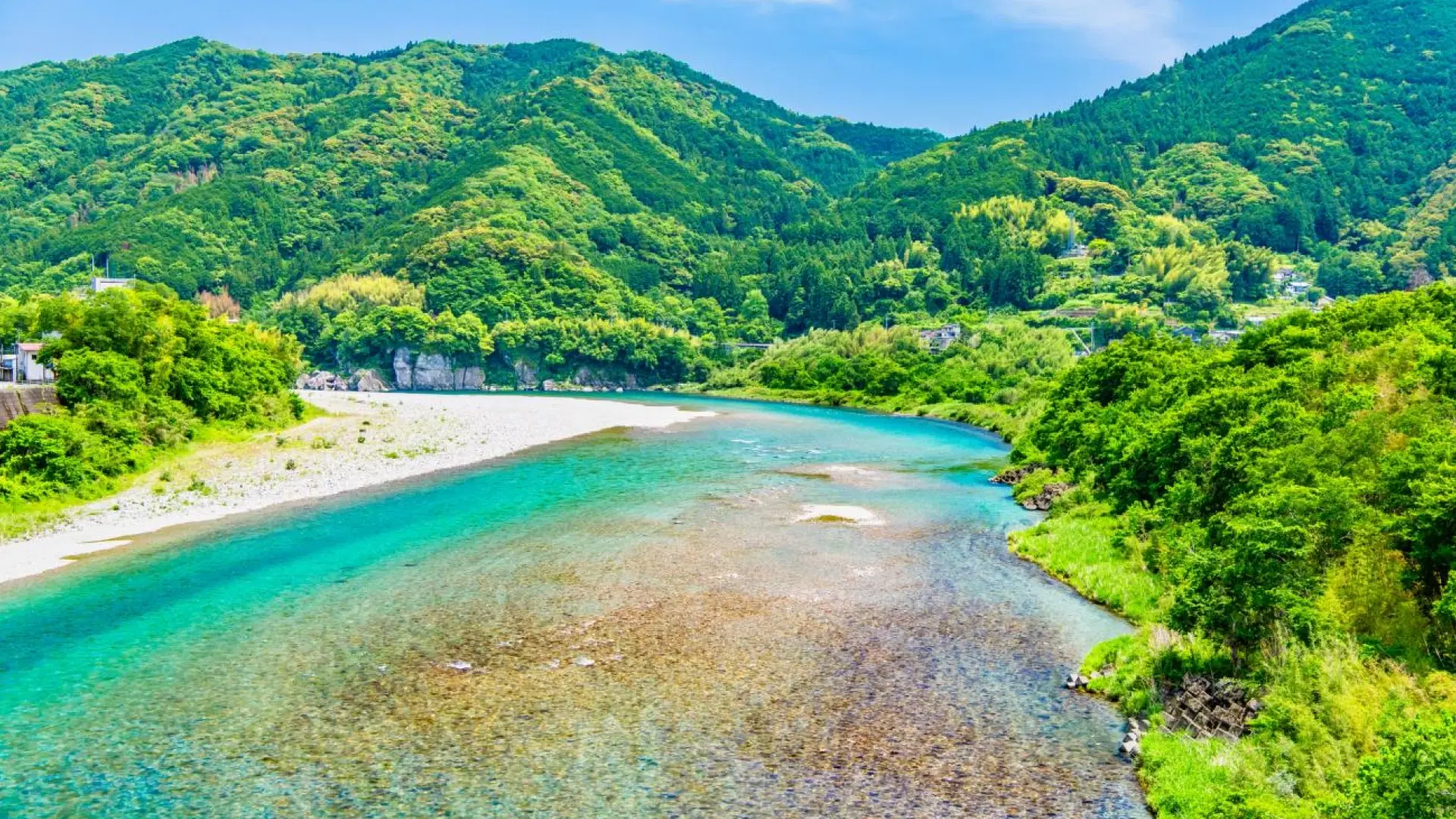
Katsuo no tataki is Kochi's defining culinary experience, a preparation whose simplicity and power embody the city's direct, uncompromising approach to food. A fillet of bonito is seared over an open flame of rice straw, the intense heat charring the exterior to a smoky crust while leaving the interior raw and jewel-red, then sliced thick and served with heaps of sliced garlic, ginger, myoga, and scallion, dressed with ponzu or coarse salt. The contrast between the smoky char and the clean oceanic flesh, amplified by the pungency of the raw garlic, creates a flavor of startling intensity that demands an equally forthright beverage, and Kochi obligingly provides it: the prefecture consumes more alcohol per capita than any other in Japan, and the local sake, produced by breweries whose water comes from the clear mountain rivers of the interior, is crafted in a dry, clean style that complements the bold flavors of the local cuisine.
The drinking culture of Kochi is inseparable from its food culture. The okyaku, the Kochi tradition of lavish communal dining that can extend for hours, combines course after course of local specialties with toasts, songs, and the ritualized drinking games called berogata that lubricate the evening's social commerce. An invitation to an okyaku is an invitation into the heart of Kochi culture, and the generosity and conviviality of the table reflect the warm, gregarious character that distinguishes this Pacific-facing city from the more reserved communities of the Inland Sea coast.
Beyond katsuo, Kochi's seafood menu includes sawara, saba, and the seasonal appearance of ise-ebi and whale, the latter a traditional food in this fishing region whose consumption continues despite the controversies that surround it nationally. The prefecture's agricultural products, including yuzu, myoga, ginger, and the early-season vegetables grown in Kochi's warm, wet climate, provide the aromatic accents and the fresh accompaniments that give the local table its distinctive brightness.