Setouchi Triennale
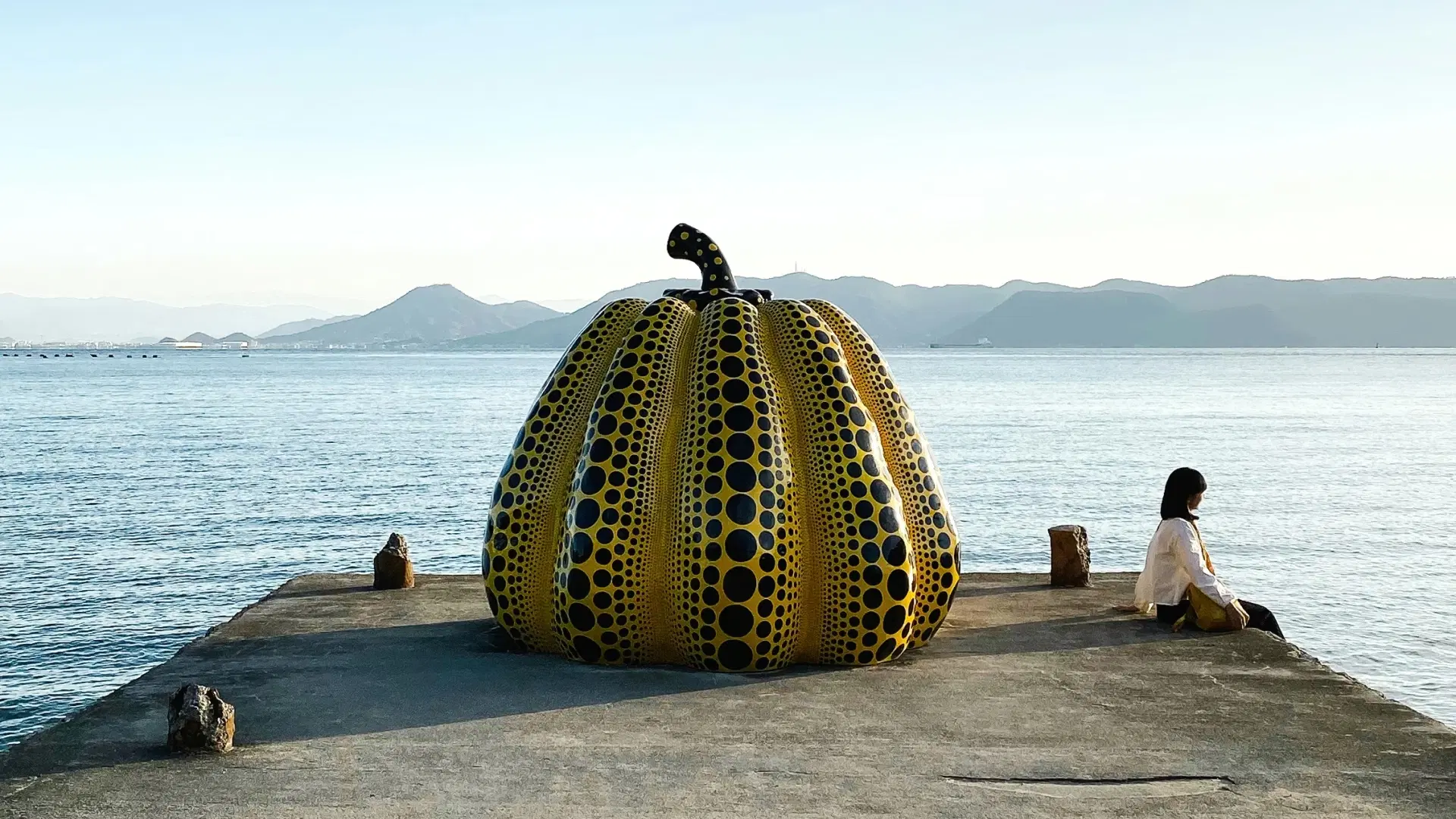
瀬戸内国際芸術祭The Setouchi Triennale is one of the most ambitious contemporary art festivals in the world, transforming a constellation of small islands in Japan's Seto Inland Sea into venues for site-specific installations, architectural interventions, and performances that engage with the landscape, history, and communities of one of the country's most beautiful and most vulnerable maritime regions. Held every three years across exhibition periods in spring, summer, and autumn, the festival invites artists from Japan and around the world to create works that respond to the particular conditions of each island site, and the resulting artworks, dispersed across harbors, hillsides, abandoned buildings, and open fields, can be experienced only by traveling between the islands by ferry, on foot, and by bicycle, making the journey itself an integral element of the aesthetic encounter.
The festival's geographic scope encompasses twelve islands and two port cities, Takamatsu and Uno, but its emotional and conceptual center lies in the relationship between art and place. The islands of the Seto Inland Sea, once connected to the mainland economy through fishing, salt production, and maritime trade, have experienced severe depopulation over the past half century, their aging communities shrinking as young people migrate to the cities. The Setouchi Triennale was conceived in part as a response to this decline, using contemporary art as a catalyst for renewed attention, economic activity, and intergenerational conversation about the future of rural Japan.
The scale of the festival is remarkable. Hundreds of artworks by artists from dozens of countries are distributed across the participating islands, and the logistics of transporting, installing, and maintaining works in locations accessible only by sea create challenges that the festival's organizers have turned into virtues. The necessity of travel between islands imposes a rhythm of movement and pause, arrival and departure, that mirrors the rhythms of the maritime life the festival celebrates, and the experience of approaching an island by ferry, not knowing what artistic encounter awaits, carries a quality of discovery that no urban gallery can provide.
History & Significance
The Setouchi Triennale emerged from the cultural infrastructure established on Naoshima by the Benesse Corporation and the Fukutake Foundation beginning in the early 1990s. Soichiro Fukutake's vision of using contemporary art to revitalize depopulating island communities proved so successful on Naoshima that it became the model for a larger regional initiative, and the first Setouchi Triennale, held in 2010, expanded the concept to seven islands and attracted over 900,000 visitors, far exceeding initial expectations.
Subsequent editions have expanded both the geographic scope and the artistic ambition of the festival. The 2013 triennale added islands and increased the number of participating artists, and subsequent editions have continued to deepen the engagement with individual island communities, commissioning works that respond to specific local histories and involve local residents in their creation and presentation. The festival has also evolved its approach to sustainability and community impact, developing protocols for ensuring that the benefits of the art tourism reach the island communities rather than bypassing them.
The Setouchi Triennale has influenced the global conversation about art, place, and community, inspiring similar initiatives in rural and depopulating regions worldwide. Its success has demonstrated that contemporary art can function not merely as a cultural amenity but as a tool for economic and social revitalization, and the model it has developed continues to evolve with each edition.
What to Expect
Visiting the Setouchi Triennale is an exercise in island-hopping that combines the pleasures of art viewing with the sensory richness of maritime travel. Each island has its own character, artistic program, and logistical requirements, and the festival's structure encourages visitors to develop personalized itineraries that balance their artistic interests with the practicalities of ferry schedules and walking distances. Naoshima, with its permanent Benesse and Chichu collections augmented by temporary triennale works, is the most visited island and the most artistically dense. Teshima, home to Ryue Nishizawa's extraordinary Teshima Art Museum, where a single water-based installation occupies a shell-like concrete structure open to the sky, offers perhaps the festival's most transcendent individual experience.
The smaller islands provide encounters of a different nature. Megijima and Ogijima, accessible by ferry from Takamatsu, host installations in converted houses and outdoor locations that are often discovered by chance while walking between designated works. Shodoshima, the largest island, offers terraced olive groves, traditional soy sauce breweries, and art installations set among agricultural landscapes of unusual beauty. Each island visit becomes a small journey of its own, the ferry crossing serving as a transition between worlds that prepares the viewer for the shift in attention that good art demands.
The festival periods in spring, summer, and autumn each offer different atmospheric conditions: the fresh greens and comfortable temperatures of spring, the intense light and heat of summer that makes the Inland Sea blaze with reflected sun, and the gentle warmth and harvest atmospheres of autumn. Some works are exhibited in all three periods; others are specific to a single season, creating incentive for multiple visits.