Takamatsu
高松Takamatsu is a city that faces the sea with the composure of a place that has always known its own worth. The capital of Kagawa Prefecture, Japan's smallest, occupies a gently curving stretch of the Seto Inland Sea coast, its harbor opening onto a maritime landscape of extraordinary beauty: dozens of islands scattered across the calm, shallow waters, their silhouettes shifting with the light from ink-dark at dawn to soft blue at midday to gold at sunset. The city's relationship with this island-studded sea is not merely scenic but constitutive, shaping its history as a feudal port, its economy as a commercial gateway, and its contemporary identity as the cultural capital of a region where art, architecture, and the natural landscape have been brought into a conversation that resonates internationally.
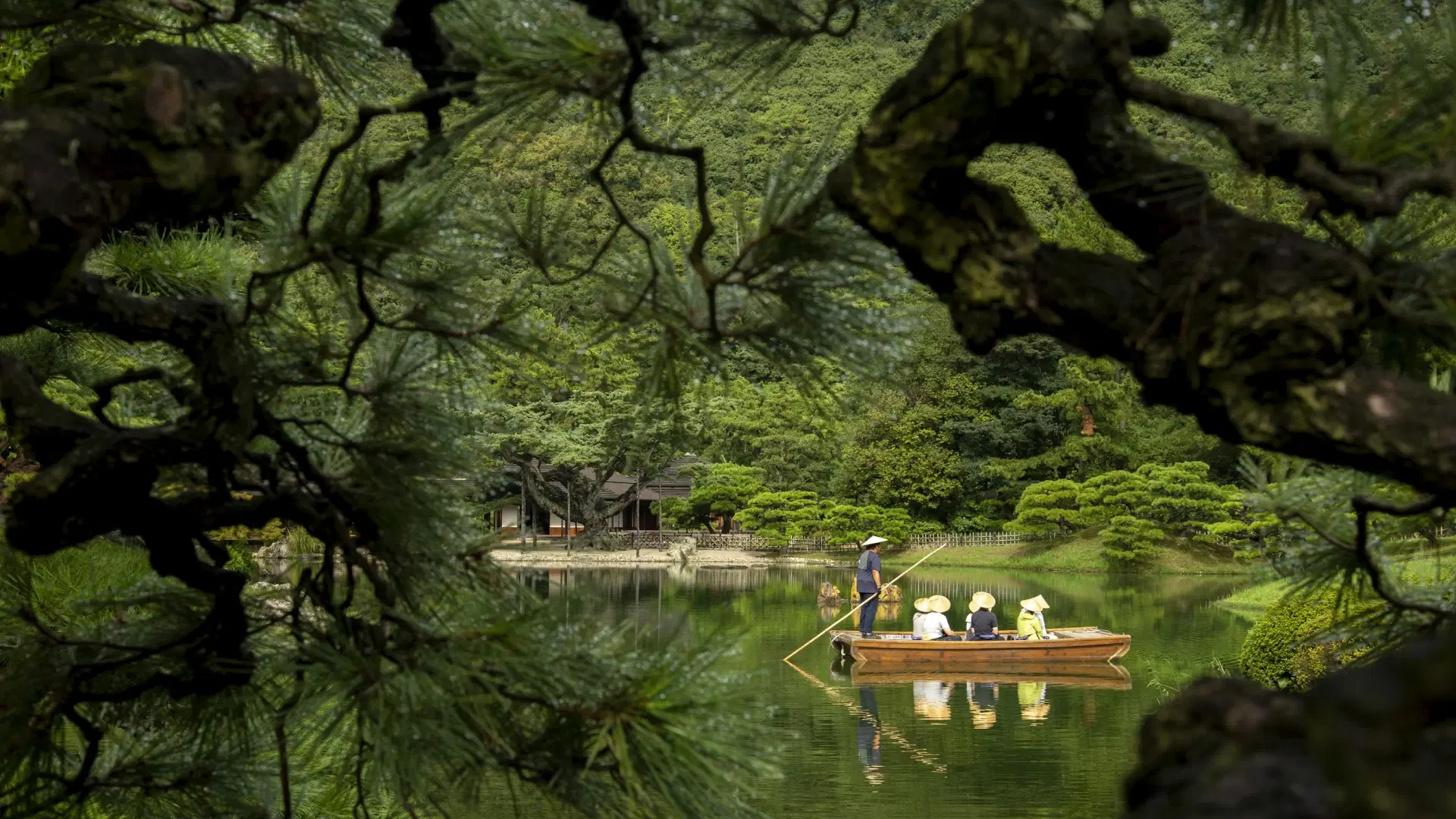
Ritsurin Garden, the city's supreme cultural treasure, is a strolling garden of such refinement and scale that it rivals the most celebrated gardens of Kyoto while possessing a character entirely its own. Built over a period of more than a century by the successive lords of the Matsudaira clan, who governed Takamatsu from the early seventeenth century, the garden uses the pine-covered slopes of Mount Shiun as its backdrop, integrating the borrowed scenery of the mountain into compositions of pond, island, bridge, and path that unfold with the precision of a narrative. Ritsurin is not well known among international visitors, which is precisely its advantage: the garden offers the depth and artistry of Japan's greatest designed landscapes without the crowds that can diminish the experience elsewhere.
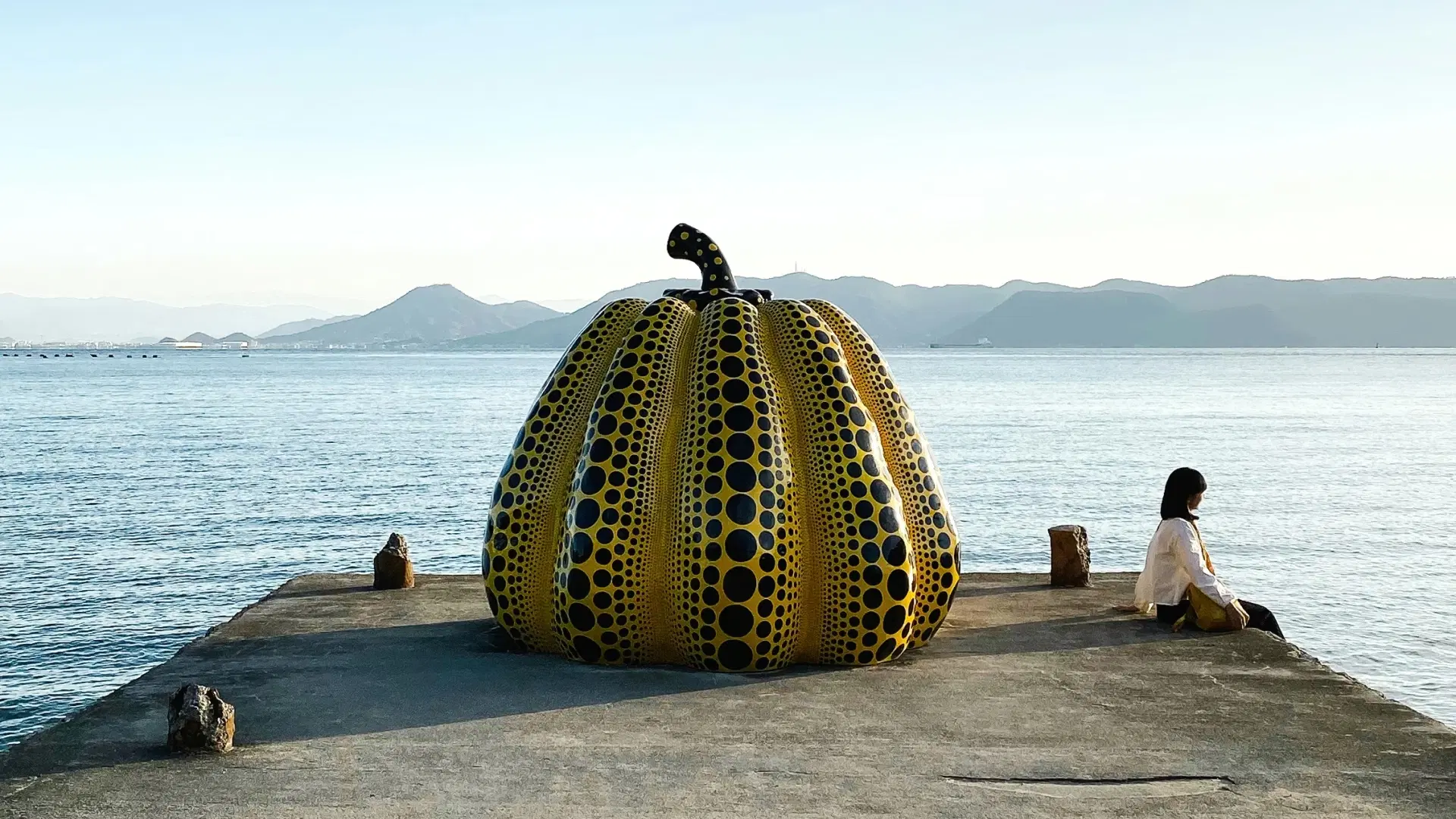
Takamatsu's modern energy derives in part from its role as the mainland hub for the Setouchi art islands, the constellation of small islands in the Inland Sea that have become venues for contemporary art installations and architectural experiments that draw visitors from around the world. The ferries that depart from Takamatsu's sunport for Naoshima, Teshima, Shodoshima, and the other art islands connect the city to a cultural phenomenon that has transformed the region's identity and given Takamatsu a cosmopolitan edge unusual in a city of its size.
Takamatsu is a city that faces the sea with the composure of a place that has always known its own worth.
Highlights
Ritsurin Garden demands and rewards unhurried attention. Its seventy-five hectares encompass six ponds and thirteen landscaped hills connected by paths that guide the visitor through a sequence of composed views, each framed by precisely maintained plantings and each revealing a different aspect of the garden's relationship with Mount Shiun behind it. The south garden, the older and more formal section, is structured around a central pond whose islands and bridges create the classic strolling-garden experience, each turn of the path revealing a new composition. The Kikugetsu-tei teahouse, perched at the water's edge, offers matcha and seasonal sweets in a setting whose beauty has remained essentially unchanged for three centuries, the view across the pond to the forested hill beyond composing a scene of such completeness that it seems to contain the entirety of the Japanese aesthetic within its frame.
Takamatsu Castle ruins, Tamamo Park, occupy the waterfront site of the Matsudaira clan's marine fortress, one of the few castles in Japan built directly on the sea. The castle's moats were originally filled with seawater, and the tai that swim in them today, fed by castle visitors, represent one of the city's more unusual attractions. The stone walls and corner turrets that remain provide atmospheric evidence of the domain's maritime orientation, and the park's cherry blossoms and pine groves create a contemplative green space at the city's harbor edge.
The Takamatsu Sunport area, the modern waterfront development that houses the ferry terminals, commercial facilities, and the distinctive glass-roofed plaza that serves as the city's public living room, represents the contemporary face of Takamatsu's relationship with the sea. The views from the Sunport promenade across the harbor to the islands of the Inland Sea provide the visual context for the city's identity as a gateway, and the coming and going of the island ferries gives the waterfront a purposeful energy that connects the present to the maritime commerce that built the city.
Culinary Scene
Takamatsu is the capital of udon, and this is not a casual distinction but a matter of deep regional identity. Sanuki udon, the thick, chewy wheat noodle that takes its name from the old provincial designation of the region, is consumed in Kagawa with a frequency, a seriousness, and a connoisseurship that elevate a simple food to the status of a cultural institution. The ideal sanuki udon noodle possesses a texture described as "koshi," a resilient chewiness that resists the teeth before yielding, and the pursuit of perfect koshi drives a competitive culture among the prefecture's hundreds of udon shops that results in a collective standard of extraordinary quality.
The udon experience in Takamatsu ranges from austere to theatrical. Self-service shops, where customers select their noodles, choose from a bank of tempura toppings, and pay at a counter before finding a seat at communal tables, provide the most authentic everyday experience. The more celebrated shops, some occupying rural locations that require determined navigation to reach, serve noodles whose reputation draws pilgrims from across the country. The simplest preparation, kake udon, noodles in a clear dashi broth, is the purest test of a shop's quality, the broth's iriko-based flavor providing a savory counterpoint to the wheat's sweetness.
Beyond udon, Takamatsu's coastal position provides access to the Inland Sea's exceptional seafood. The olive hamachi, yellowtail raised on feed supplemented with olive leaves from Shodoshima, is Kagawa's signature fish, its flesh firmer and its flavor cleaner than conventionally raised hamachi. Iriko, the dried sardines used in dashi and as a snack, are a ubiquitous presence, and the honetsukidori, bone-in chicken leg grilled over high heat and served with salt and garlic, is Kagawa's other great street food, its crispy skin and juicy flesh complementing the udon that will inevitably appear elsewhere in the meal.