Uwajima Ushioni Festival
宇和島牛鬼まつりThe Uwajima Ushioni Festival sends monsters through the streets of this small coastal city in a spectacle that blends the terrifying, the festive, and the deeply traditional in a combination unique to southwestern Ehime. The ushioni, bull demons constructed of bamboo frames covered in cloth and adorned with fearsome carved wooden heads, tower above the crowds as they are carried through the narrow streets by teams of men whose shouts and drumming fill the summer evening air. The creatures' multi-legged bodies undulate with the movement of their carriers, and their horned, fanged heads, carved from paulownia wood by specialist artisans, survey the crowd with an expression that hovers between menace and mischief, their painted eyes seeming to follow the onlooker from every angle.
The ushioni tradition is deeply rooted in the culture of Ehime's Nanyo region, the southwestern coast where Uwajima sits between mountains and sea, and the bull demons function as protective spirits whose procession through the streets drives away evil influences and ensures the community's safety and prosperity for the coming year. The festival combines this apotropaic function with the celebratory energy of a summer matsuri, and the three days of processions, fireworks, and communal feasting create an atmosphere of collective release that the city's year-round tranquility makes all the more dramatic.
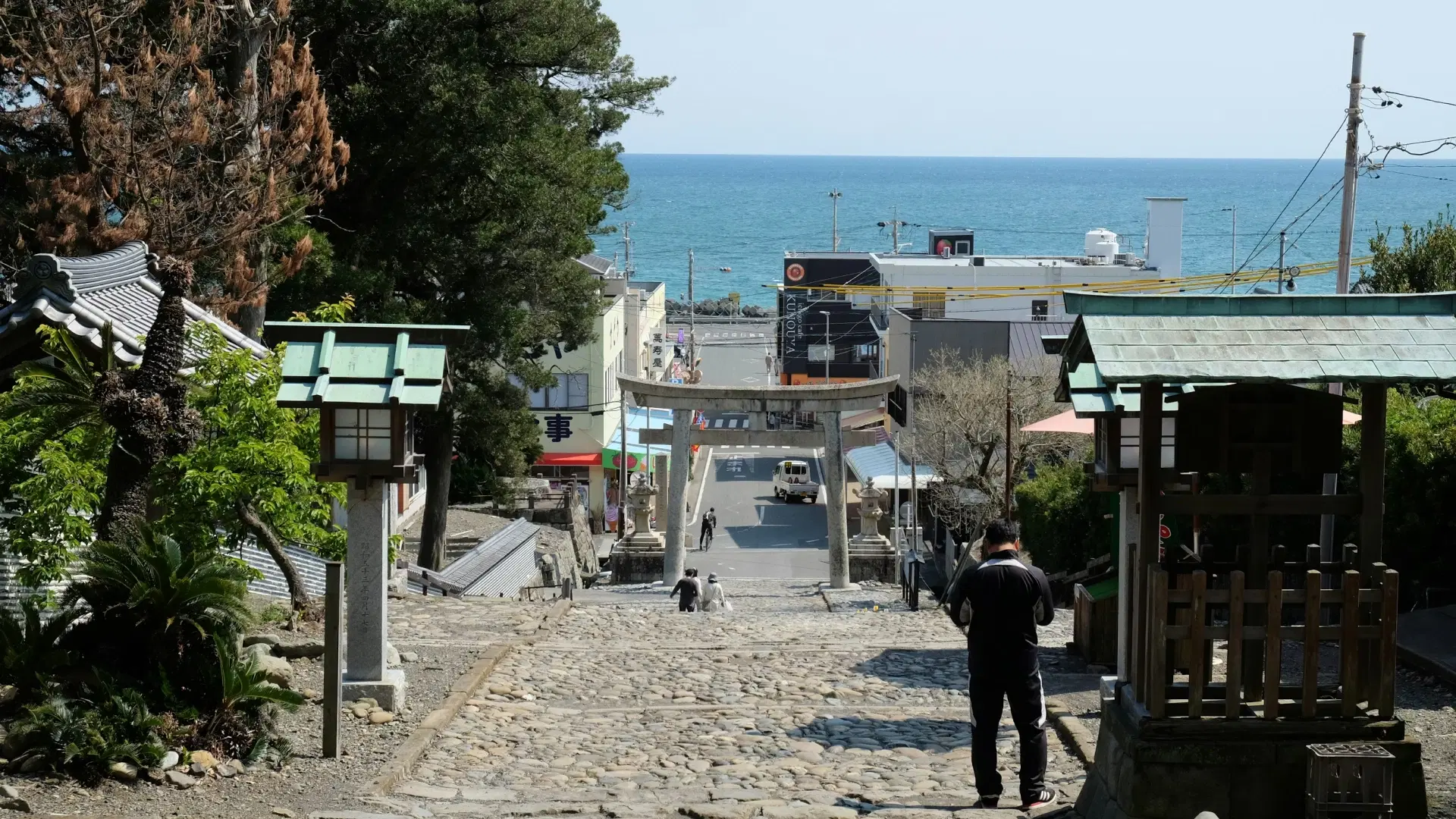
The festival's setting in Uwajima, one of the most atmospheric small cities on Shikoku, adds a dimension of place-specific beauty to the spectacle. The narrow streets of the old town, the harbor with its fishing fleet, and the castle watching from its hilltop above provide a stage whose intimate scale concentrates the festival's energy and creates an immediacy between performers and spectators that larger festivals, however spectacular, cannot achieve.
The Uwajima Ushioni Festival sends monsters through the streets of this small coastal city in a spectacle that blends the terrifying, the festive, and the deeply traditional in a combination unique to southwestern Ehime.
History & Significance
The ushioni tradition in the Nanyo region of Ehime is believed to have originated in the medieval period, when the bull demon figures served as talismans in battle and as protective spirits for coastal communities threatened by pirates, storms, and the various hazards of maritime life. The Date clan, who governed Uwajima from the early seventeenth century, incorporated the ushioni procession into the city's official festival calendar, and the tradition's association with aristocratic patronage elevated its status and ensured its continuity through the social upheavals of the modern era.
The construction of the ushioni themselves represents a craft tradition of considerable skill. The bamboo frames that form the body must be light enough for a team of men to carry through the streets for hours, yet strong enough to withstand the vigorous movements and occasional collisions of the procession. The carved wooden heads, which can take months to complete, are the work of specialist carvers whose artistry determines the character and the perceived power of each ushioni. The cloth covering, traditionally red and often decorated with painted or embroidered designs, completes the creature's appearance and provides the flowing, organic quality that gives the procession its visual drama.
The festival has maintained its essential character through the modern era while absorbing additions that reflect the evolution of Uwajima's community. The fireworks display over the harbor, added in the twentieth century, has become an integral element of the festival, and the children's ushioni processions, which allow younger generations to participate in the tradition with smaller, lighter versions of the bull demons, ensure the transmission of the practice to future carriers.
What to Expect
The festival's three days build from the neighborhood processions of the first day through the main ushioni parade on the second to the climactic fireworks display on the third evening. The ushioni processions begin in the neighborhoods, where each bull demon emerges from its storage to the cheers of the local community before making its way through increasingly crowded streets toward the city center. The sight of the towering creatures rounding corners in narrow streets, their bodies barely clearing the building fronts on either side, creates moments of theatrical tension that the carriers exploit with practiced skill, swinging the ushioni's head toward the crowd in mock charges that elicit screams and laughter in equal measure.
The gaiya carnival, a procession of dance teams that moves through the city center on the second evening, adds a contemporary energy to the traditional ushioni spectacle. The dancers, in colorful costumes and accompanied by amplified music, create a contrast with the ancient bull demons that reflects the festival's capacity to hold tradition and innovation within the same celebration. The combination of the ushioni's primordial menace and the gaiya's modern exuberance creates an atmosphere unlike any other festival in Shikoku.
The fireworks display on the final evening, launched from barges in the harbor, provides the festival's visual climax. The explosions reflected in the calm waters of the Uwa Sea, the silhouette of the castle on its hill, and the lingering energy of the preceding days' processions create a finale that is both spectacular and deeply atmospheric. The intimacy of Uwajima's harbor, smaller and more enclosed than the fireworks venues of larger cities, concentrates the sound and light into an experience of unusual intensity.