Uwajima
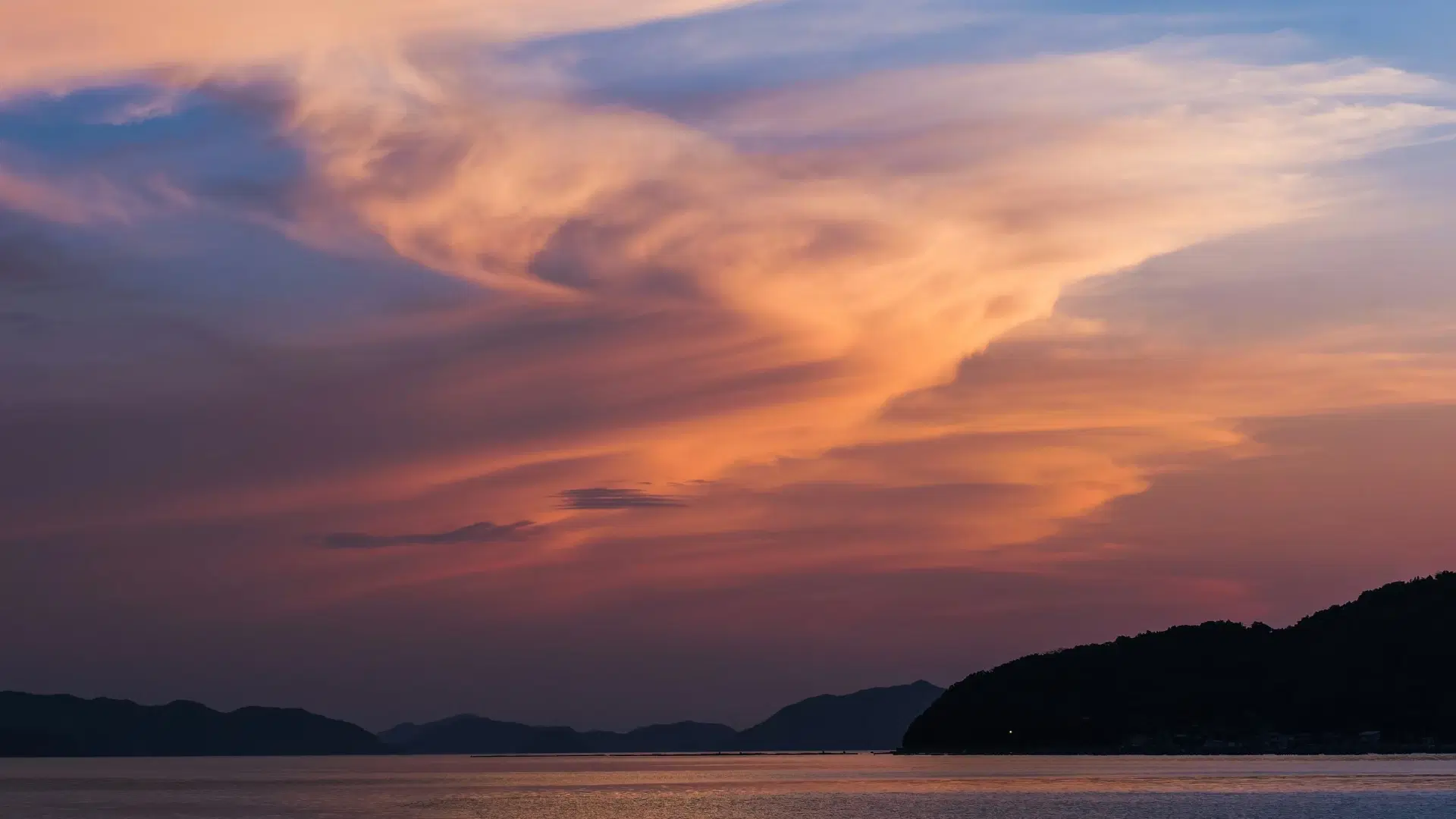
宇和島Uwajima is a small city at the edge of things, perched on the southwestern coast of Ehime where the mountains of Shikoku's interior descend steeply to the sheltered waters of Uwa Sea, and its remoteness from the major population centers has preserved a quality of unhurried authenticity that more accessible destinations have traded for convenience. The city's original castle, one of the twelve surviving feudal keeps in Japan, watches over a harbor whose fishing fleet supplies the tables of the region with some of the finest seafood in western Japan, and the combination of feudal heritage, maritime culture, and geographic isolation has produced a character that rewards the traveler willing to venture beyond the well-worn circuits of Shikoku tourism.
The Date clan, a branch of the powerful family whose main line governed the vast domain of Sendai in the northeast, ruled Uwajima through the Edo period and invested the town with a cultural sophistication that belied its modest size. The Tenshaen garden, built by the seventh Date lord as a retreat for his retirement, is a strolling garden of refined beauty whose design draws on the traditions of the great daimyo gardens while incorporating the coastal landscape of Uwajima's setting, the garden's pond reflecting both the sky above and the forested mountains behind. The cultural investment of the Date lords gave Uwajima institutions and traditions that a town of its size would not normally support, and this legacy of aristocratic cultivation persists in the city's festivals, its food culture, and the quiet pride of its residents.
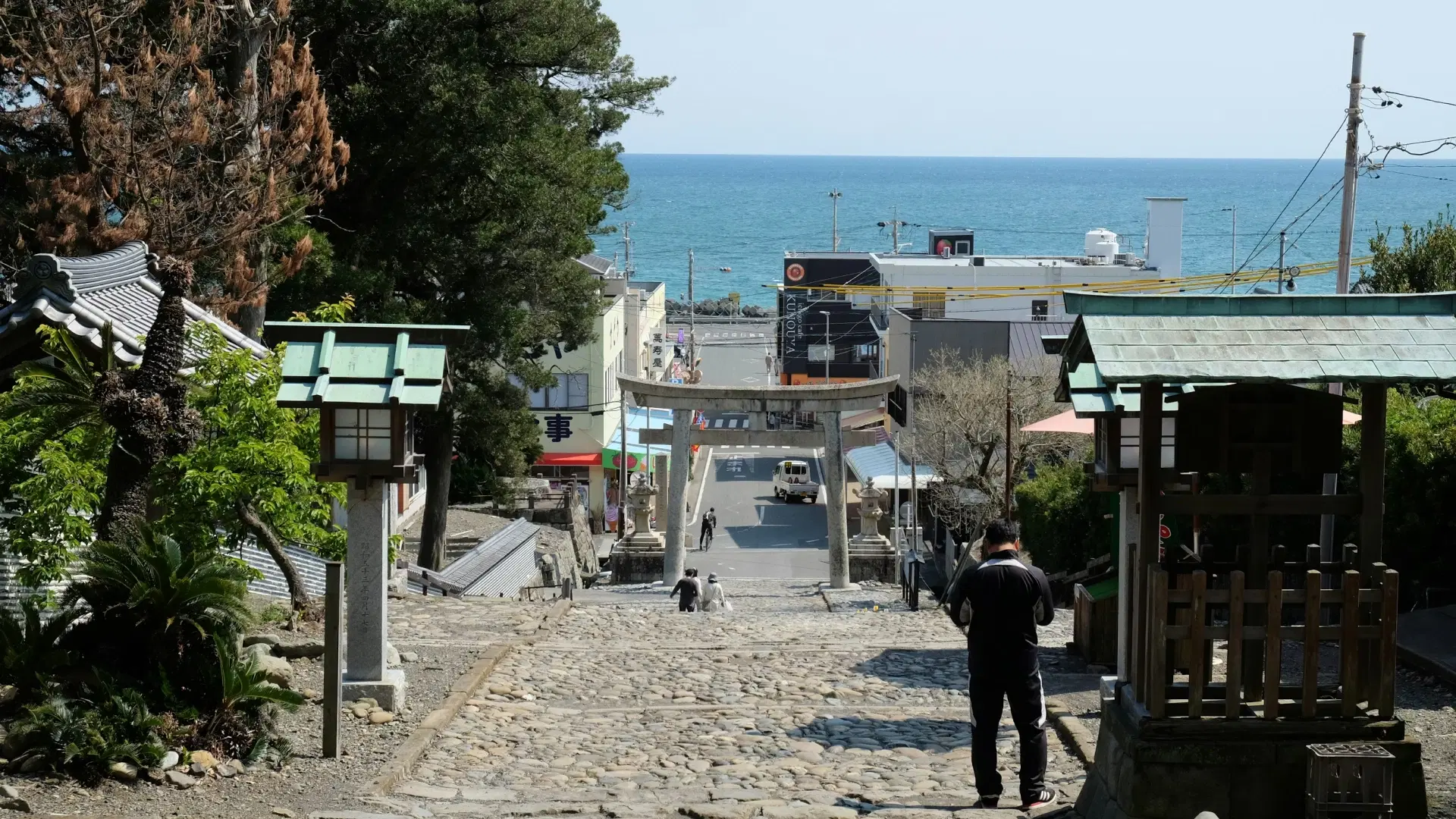
The coastline south of Uwajima, where the Uwa Sea opens toward the Pacific, offers some of the most dramatic and least visited coastal scenery on Shikoku. The fishing villages that cling to the steep shore, their harbors sheltered by rocky headlands and their boats drawn up on narrow beaches, preserve a way of life that has changed less than almost anywhere else in Japan, and the seafood served in these villages, often just hours from the water, achieves a freshness that urban fish markets, however excellent, cannot match.
Highlights
Uwajima Castle is among the most intimate and atmospheric of Japan's surviving original castles, its modest scale and its hilltop setting creating an experience that emphasizes the relationship between lord, town, and landscape rather than the military grandeur that larger castles project. The three-story keep, compact and elegant, rises from a hillside planted with cherry trees and accessed by a winding path through forest, and the view from the top floor encompasses the harbor, the town, the surrounding mountains, and the blue expanse of the Uwa Sea. The castle's size allows the visitor to feel the proportions of the feudal world as its inhabitants actually lived it, and the absence of the concrete reconstructions and museum installations that dominate many castle sites preserves an authenticity of atmosphere that is increasingly rare.
Tenshaen Garden, a short walk from the castle hill, is a Meiji-era renovation of the Date family's private retreat that combines the traditional Japanese strolling-garden form with elements reflecting the cosmopolitan interests of the late feudal aristocracy. The garden's pond, stone arrangements, and carefully maintained plantings create compositions that shift with the seasons and the time of day, and the wisteria trellis that spans one section of the garden produces a cascade of purple blooms each April that draws visitors from across the region.
The Uwajima Ushioni Festival, held each July, reveals the city's wilder character in a celebration that sends towering float-mounted bull demons through the narrow streets in a spectacle of controlled mayhem. The ushioni, multi-legged beasts constructed of bamboo and cloth and carried by teams of men, represent a festival tradition unique to this corner of Ehime, and their procession through the town, accompanied by taiko drumming and the shouts of their bearers, creates an energy that transforms the normally tranquil city.
Culinary Scene
Uwajima taimeshi, the southern Ehime style of sea bream rice, is the city's signature dish and one of the most elegant casual meals in Shikoku. Fresh tai sashimi is arranged over hot rice and dressed with a mixture of raw egg, dashi, soy sauce, and sesame, the heat of the rice gently warming the fish while the egg creates a silky, golden sauce that coats every grain. The preparation is simple enough to be served at a counter seat and refined enough to anchor a formal meal, and its dependence on the absolute freshness of the fish ties it inseparably to Uwajima's harbor and the boats that supply it.
The pearl cultivation industry of the Uwa Sea, which produces some of the finest akoya pearls in Japan, has an unexpected culinary dimension: the oysters that produce the pearls are themselves edible, and their meat, a byproduct of the pearl harvest, appears in local preparations that are available nowhere else. Grilled, fried, or simmered, the pearl oyster's flesh is leaner and firmer than that of the edible oysters more commonly consumed, and its flavor carries a mineral quality that reflects the clear, nutrient-rich waters in which it grew.
The fishing villages south of Uwajima serve seafood of extraordinary freshness in settings of uncommon simplicity. A lunch of sashimi at a harbor-side restaurant in one of these villages, the fish selected from the morning's catch and sliced while the boats that brought it in still rock at the quay, provides a direct encounter with the source of Japanese cuisine's most fundamental ingredient that no urban restaurant, however prestigious, can replicate.
Ryokans in Ehime
There are no ryokans in our guide listed in Uwajima. See our selection across Ehime.
View ryokans in Ehime